





A New Travel Trinity Emerges
India's tourism landscape is undergoing a significant transformation. Beyond the traditional circuits of heritage and leisure, a powerful new combination of wildlife, rural, and spiritual tourism is capturing the imagination of travellers. Recent analysis
highlights that these once-niche segments are now driving significant growth, supported by massive infrastructure upgrades like new expressways that connect previously disparate destinations. For example, the Delhi-Mumbai Expressway now creates a seamless corridor linking urban centres with the tiger reserves of Ranthambore and Sariska, while other new highways connect major pilgrimage sites with nearby natural wonders. This integration allows for richer, multi-destination itineraries where a single journey can encompass a morning safari, an afternoon in a village, and an evening of quiet contemplation.
The Unmistakable Roar of Wildlife Tourism
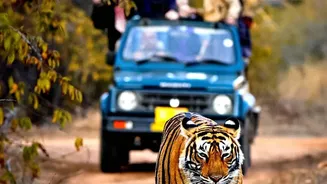
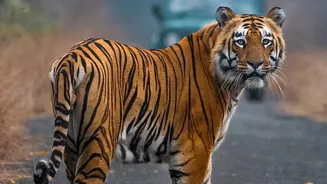
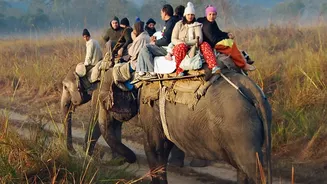
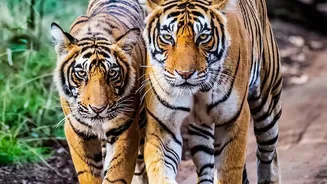
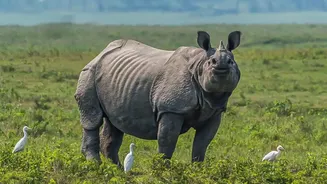
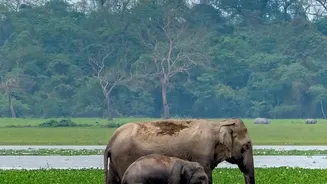
The engine powering much of this shift is the remarkable success of India's conservation efforts, particularly Project Tiger. Launched in 1973, this ambitious programme has been instrumental in growing the nation's tiger population to over 3,600, which is more than 70% of the global total. This conservation success story has a direct economic benefit. The Indian wildlife tourism market is projected to grow at over 10% annually, reaching a potential value of nearly USD 30 billion by 2033. National parks like Kaziranga in Assam are witnessing record footfalls, with a recent 8.5% increase in visitors in a single season. This boom isn't just about revenue; regulated tourism provides crucial alternative livelihoods for local communities who might otherwise depend on forest resources, creating a powerful incentive for conservation.
Beyond the Safari: An Immersive Experience
Modern wildlife tourism is moving beyond a simple checklist of animal sightings. Travellers are increasingly seeking deeper, more immersive experiences. This has led to the rise of eco-lodges and sustainable accommodations, often run by local communities, that offer an authentic connection to the place. These stays provide a direct economic benefit to villages surrounding the reserves. The focus is shifting from a fleeting glimpse of an animal to understanding the entire ecosystem. Discerning tourists are now engaging in longer stays, birding expeditions, and conservation-led travel, reflecting a desire for more meaningful engagement with nature. This model, where tourism revenue supports both biodiversity and local livelihoods, is proving to be a sustainable path forward for coexistence.
Connecting with the Rural and the Sacred
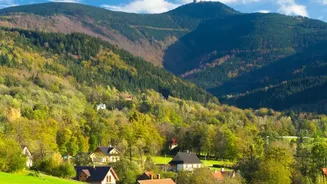
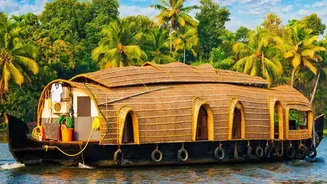
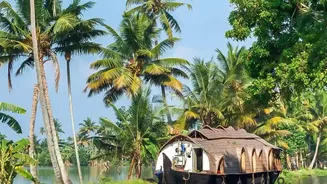
The journey into the wild often leads directly to the heart of rural and spiritual India. Many of our most cherished national parks are nestled in remote regions where traditional ways of life persist. This proximity creates a natural synergy. A trip to a tiger reserve now frequently includes a stay in a village homestay, a meal cooked with local produce, or the purchase of regional handicrafts, directly benefiting the rural economy. Furthermore, these forests and villages are often steeped in spiritual significance, home to sacred groves and local deities that have been worshipped for centuries. This intertwining of nature and faith is a core part of the Indian experience. For many travellers, a jungle safari is not just an adventure but also a pilgrimage, a journey that offers both excitement and inner peace.
The Economic and Infrastructure Backbone
The government has recognized this evolving trend, launching initiatives like the Swadesh Darshan and PRASHAD schemes to develop theme-based tourist circuits, including those for wildlife and spiritual travel. This strategic focus aims to provide a more holistic experience by integrating destinations. Faith-based travel alone accounts for a staggering portion of domestic tourism, with spending on pilgrimages estimated in the lakhs of crores annually. The rise of wildlife tourism adds another robust pillar to this economic engine. As travellers increasingly combine these pursuits, the demand for better hotels, transport, and local services in and around these circuits is growing, leading to increased private investment and job creation.