




Beyond a Colourful Spectacle
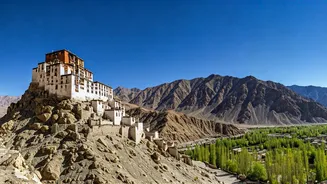
Every year, the courtyard of the Hemis Gompa, the largest and wealthiest monastery in Ladakh, transforms into a celestial stage. For two days in the fifth month of the Tibetan lunar calendar, typically in June or July, this quiet spiritual centre erupts
in a riot of colour, sound, and faith. This is the Hemis Festival, an event that draws devotees, locals, and travellers from across the globe. While social media feeds and travel vlogs capture its breathtaking visuals, the festival is much more than a photogenic event. It is a profound spiritual observance celebrating the triumph of good over evil and the very foundations of Tibetan Buddhism in the region.
Celebrating the 'Second Buddha'
At its heart, the Hemis Festival commemorates the birth anniversary of Guru Padmasambhava, also known as Guru Rinpoche. Revered as the 'Second Buddha', Padmasambhava is credited with introducing and establishing Tantric Buddhism in Tibet and the Himalayan region in the 8th century. Legend holds that he battled demons and malevolent spirits, converting them into guardians of the dharma (the teachings of Buddha). The festival is a grand tribute to his life and mission. It’s a moment for the community to reaffirm their faith and receive blessings, believing that attending the festival offers spiritual strength and protection.
The Mystical Chham Dance
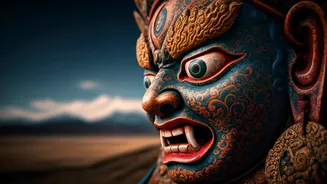
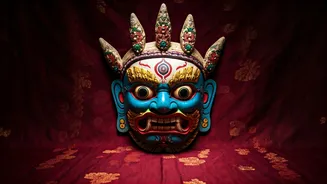
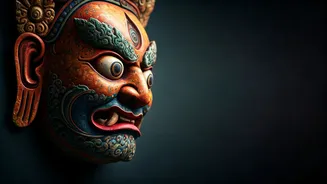
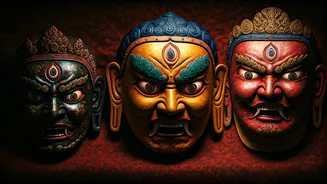
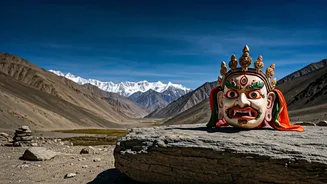
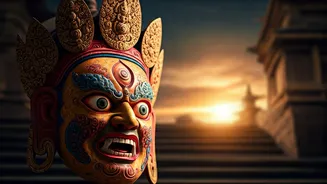
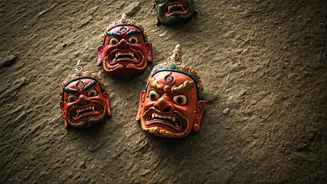
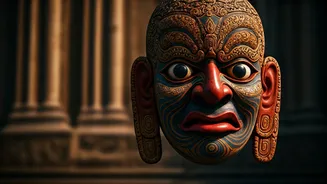
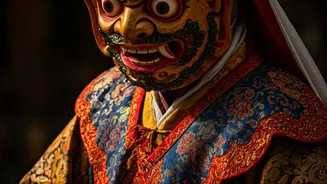
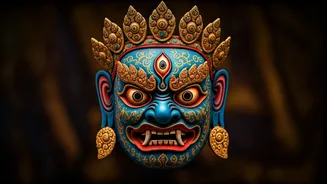
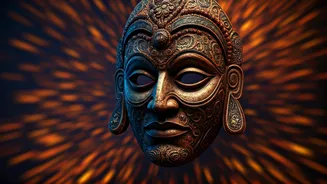
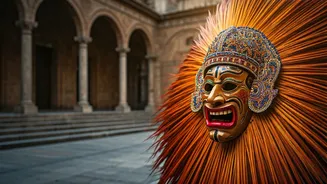
The centrepiece of the Hemis Festival is the Chham, a sacred masked dance performed by the monastery's monks. These aren't just random performances; they are a form of meditation in motion. The monks, dressed in elaborate brocade costumes and wearing towering, often intimidating masks, assume the forms of various deities, demons, and protectors from the Buddhist pantheon. Each slow, deliberate movement, every turn and gesture, is rich with symbolism, reenacting the magical feats of Guru Padmasambhava and illustrating the eternal struggle between benevolent and malevolent forces. The masks themselves are masterpieces, representing wrathful deities who destroy obstacles to enlightenment and protector spirits who guard the faith.
Sounds and Symbols of Devotion
The Chham dance is accompanied by a powerful, otherworldly orchestra. The hypnotic rhythm is set by the clash of cymbals, the deep boom of drums, and the haunting drone of long Tibetan horns, or 'dungchen'. This music isn't merely for entertainment; it's designed to create a sacred atmosphere, guiding the meditation of both the dancers and the audience. Another key moment of the festival is the ceremonial unfurling of a giant thangka, a sacred silk painting, depicting Guru Padmasambhava. Displayed only once every 12 years in its grandest form, this unveiling is a major event believed to bestow immense blessings upon all who witness it. Even in other years, smaller thangkas play a central role in the rituals.
A Living Tradition in the Modern World
While travel vlogs can show you the visuals, they can't fully convey the atmosphere. It’s a unique blend of solemn ritual and joyous community gathering. Local families arrive in their finest traditional attire, sharing food and socialising. The air is thick with the scent of incense and butter lamps. For the people of Ladakh, Hemis is not a performance for tourists but a vital part of their cultural and spiritual identity. It is a living, breathing tradition that reinforces their connection to their history, their faith, and their community, passed down through generations in one of the most starkly beautiful landscapes on Earth.