
The Age of the Performative Shelf
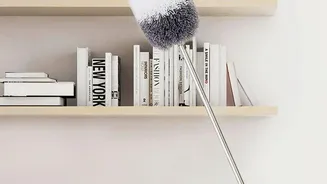
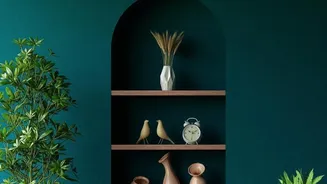
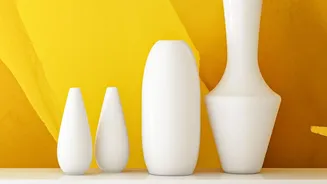
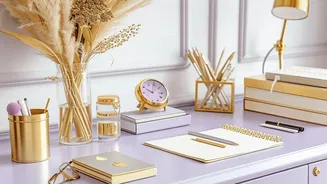
You know the look: a sparse collection of objects arranged with geometric precision. Books are turned spine-in or grouped by color rather than content, flanked by a single, dramatic vase and a minimalist sculpture. It is a look born from and perfected
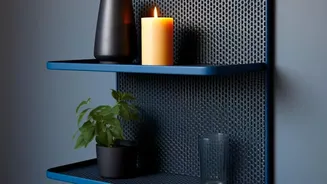
for the social media grid, where aesthetics often trump personality and function. This trend saw homeowners treating their shelves less like personal storage and more like a stage for a very specific, often impersonal, brand of style. The pressure was to create a display that looked professionally curated, leading to a sea of shelves that were beautiful but often felt sterile and interchangeable. The objects displayed were frequently chosen for their form and color palette, not for any sentimental value, resulting in spaces that felt more like a showroom than a home.
A Backlash to Perfection
The pendulum is now swinging in the other direction. Homeowners and designers are growing tired of the pressure to maintain a picture-perfect interior. This fatigue is part of a broader cultural shift away from the performative nature of online life and toward a desire for authenticity. The over-styled shelf, once a status symbol, is starting to be seen as a bit try-hard and lacking in soul. The backlash is against the idea that our homes should look like a museum or a catalog, untouched and unlived-in. Instead, there's a growing appreciation for spaces that reflect the real lives and stories of the people who inhabit them—mess, memories, and all. This movement champions a cozy, familiar environment over a stiff or staged one.
Enter: Bookshelf Wealth and Meaningful Objects
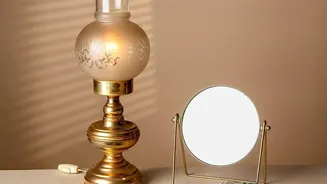
The antidote to the over-styled shelf has been dubbed 'bookshelf wealth'. Coined by design firm House of Hive, the term doesn't refer to monetary value, but to the richness of a life well-lived and well-read. This aesthetic celebrates shelves piled high with books that have actually been read, alongside a charmingly eclectic mix of personal treasures. Think travel mementos, inherited trinkets, framed family photos, and handmade ceramics. The key is that every item has a story and a personal significance. Kailee Blalock, a designer at House of Hive, notes that the goal is a home that looks "lived-in instead of museum-grade quality". It’s about creating a space that surrounds you with things that fill your soul, telling your unique story over time.
How to Cultivate Your Own Story
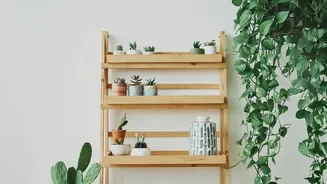
Embracing this trend isn't about buying new things, but about re-evaluating what you already own. Start by gathering the objects that truly mean something to you. Don't be afraid to mix and match. The beauty of this approach is its rejection of rigid rules. A vintage postcard can sit next to a child's art project, and a well-loved paperback can be stacked horizontally to serve as a riser for a small plant. The goal is to create vignettes that feel personal and layered. Vary the height and texture of your objects to create visual interest. Lean a small piece of art against the back of the bookshelf, or even hang it on the front of the shelf for an unexpected touch. Most importantly, allow your shelves to evolve. A truly meaningful display is one that grows and changes with you, reflecting a life in progress, not a static image of perfection.