






Why Good Cards Go Bad Abroad
A card decline overseas is rarely about your available balance. The most common culprit is your bank's automated fraud detection system. An unusual transaction in a foreign country can trigger an automatic freeze to protect your account from what seems
like suspicious activity. This is especially common on your first purchase in a new destination. Other issues can include the merchant not accepting your card's network—Visa and Mastercard are nearly universal, but American Express and Discover have gaps—or your own bank still requiring a manual travel notice before you go. Even if you've done everything right, temporary network outages or integration problems between booking platforms and banks can cause a transaction to fail.
Step 1: Fortify Your Primary Wallet
Your first line of defense is a strong primary card. Ideally, choose a credit card with no foreign transaction fees, which can save you up to 3% on every purchase abroad. Before you pack your bags, check if your bank requires a travel notification. While many major banks have phased this out due to improved security like chip technology, many smaller banks and credit unions still prefer a heads-up. A quick notification through your banking app can prevent most fraud-related freezes. Also, ensure your contact information is up-to-date, as your bank may send a text or push notification to verify a legitimate purchase.
Step 2: The Essential Backup Card
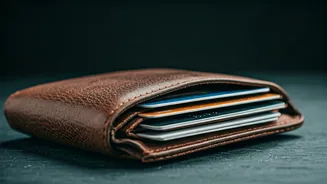
The single most important rule of travel money is to carry a backup. Never rely on a single card. Your backup should ideally be from a different payment network (e.g., a Mastercard if your primary is a Visa) and issued by a different bank. This strategy provides a crucial safety net if one network experiences an outage or if your primary bank freezes your card. Store this backup card separately from your main wallet, perhaps in a hotel safe or a secure pocket, so that if one is lost or stolen, you won't be left stranded. This simple step resolves the vast majority of payment issues travellers face.
Step 3: Leverage Debit Cards and Cash Wisely
While credit cards are best for purchases, debit cards are your gateway to local currency. Use your debit card at a bank-affiliated ATM upon arrival to get cash at a much better exchange rate than you'll find at airport currency exchange kiosks. Be aware of daily withdrawal limits and potential fees from both your bank and the local ATM operator. It's always wise to carry a small amount of local cash. Many smaller shops, local markets, and taxis may be cash-only, and having some on hand is crucial for tips and minor purchases. It also serves as a final fallback if all your cards fail.
Step 4: Embrace Digital Wallets
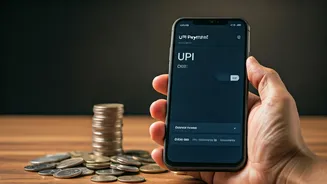
Digital wallets like Apple Pay and Google Pay offer an excellent combination of convenience and security. They use a process called tokenization, which means your actual card number is never shared with the merchant, significantly reducing the risk of fraud. For quick, contactless payments at transport hubs, cafes, and major retailers, they are often the fastest option. However, don't rely on them completely. Acceptance is not yet universal, especially in rural areas, and they depend on your phone having a charged battery and, sometimes, an internet connection. Think of them as a great addition to your strategy, not a replacement for physical cards and cash.