
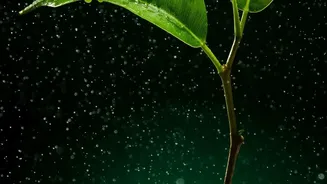
Why the Monsoon Changes Everything
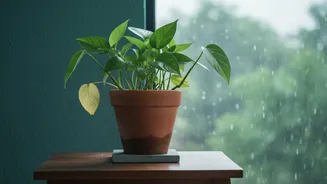
During the scorching summer, your plants likely needed frequent drinks to stay hydrated. But the monsoon season flips the script entirely. The air becomes saturated with moisture, which means two things happen. First, water evaporates from the soil much
more slowly. Second, plants release less water through their leaves in a process called transpiration. Compounding this is the reduction in sunlight due to overcast skies. Less light means less photosynthesis, which is the engine that drives a plant's water consumption. Sticking to a summer watering schedule is a recipe for disaster. The soil simply doesn't dry out at the same pace, leaving your plant's roots sitting in stagnant, waterlogged conditions.
The Telltale Signs of Distress
How can you tell if you're being too generous with the watering can? Your plants will give you clear signals, but they can be misleading. The most common sign is yellowing leaves, especially the lower ones. These leaves might feel soft or limp, not dry and crispy. Paradoxically, a plant suffering from overwatering can look wilted, just like a thirsty one. This happens because the roots are starting to suffocate and can no longer absorb water and nutrients effectively. Other red flags include a musty or foul smell coming from the soil, the appearance of mould on the surface, or mushy stems near the base of the plant. These are all cries for help from a plant struggling to breathe.
The Silent Killer: Root Rot
The ultimate consequence of persistent overwatering is root rot, a fungal disease that thrives in wet, low-oxygen environments. Healthy roots are firm and white or light-coloured. When they are starved of air, they become weak and susceptible to fungi naturally present in the soil. These pathogens attack the roots, turning them brown, black, and mushy. Once root rot takes hold, it’s difficult to reverse. The plant can no longer absorb the water and nutrients it needs to survive, and it slowly dies from the bottom up. Preventing root rot is far easier than trying to cure it, and it all begins with how you water.
Your Monsoon Watering Guide
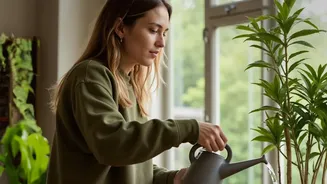
Adjusting your habits for the season is simple once you know what to look for. First, ditch the fixed schedule. Instead of watering every Sunday, let the plant tell you when it's thirsty. The most reliable method is the finger test: stick your finger about one to two inches into the soil. If it feels moist, wait. If it feels dry, it's time to water. Second, ensure every pot has drainage holes. A decorative pot without holes is a death trap, as it allows water to pool at the bottom. If you use a decorative outer pot, always tip out the excess water from the saucer after about 30 minutes. Third, when you do water, do it thoroughly. Pour water evenly over the soil until it runs freely from the drainage holes. This encourages deep root growth and flushes out mineral salts. Then, let the pot drain completely before placing it back in its saucer.
A Few Final Considerations
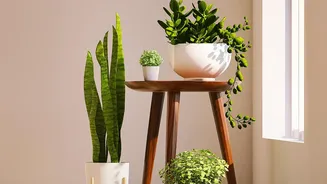
Not all plants are created equal. Succulents, cacti, and snake plants are drought-tolerant and need even less water during the monsoon. Moisture-loving plants like ferns and calatheas may still need relatively consistent moisture, but you must still check the soil first. Improving air circulation by opening a window or using a fan can also help the soil dry out more evenly and deter pests like fungus gnats, which love damp conditions. Finally, consider moving your plants to a brighter location, such as a windowsill or a covered balcony, to compensate for the gloomy, overcast days and help them use the water they receive more effectively.