


A Mission Too Big for One Rocket
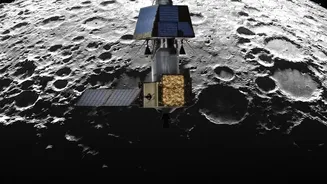
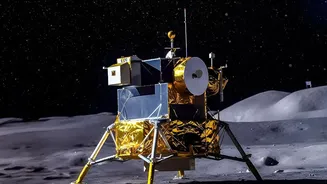
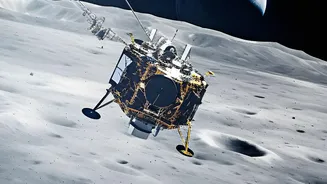
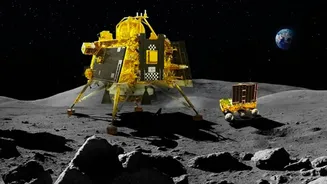
The core challenge of Chandrayaan-4 is its sheer scale. The mission aims to land on the Moon, collect up to three kilograms of soil and rock, and return them to Earth for study. This requires a complex, multi-part spacecraft with five separate modules:
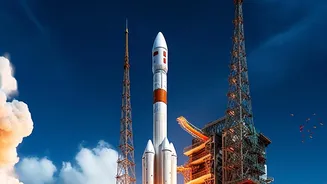
a Propulsion Module, a Descender Module (lander), an Ascender Module, a Transfer Module, and a Re-entry Module. Combined, these components are too heavy for even India's most powerful rocket, the Launch Vehicle Mark-III (LVM3), to lift in a single flight. The LVM3 has a capacity of about 8,000 kilograms to low Earth orbit, but the total mass of the Chandrayaan-4 hardware is projected to be over 9,000 kilograms. This engineering puzzle forced ISRO to devise an innovative two-launch strategy.
Two Launches, One Mission
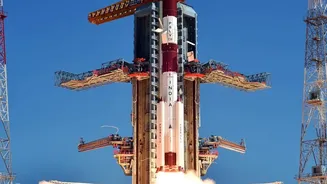
ISRO's solution is to split the mission into two manageable payloads and launch them separately. The first LVM3 rocket will carry the Descender Module and the Ascender Module. The second LVM3 will launch the other three components: the Propulsion, Transfer, and Re-entry modules. These launches will happen within a month of each other, sending the two spacecraft stacks into an elliptical Earth orbit. Some early plans had considered using a combination of the LVM3 and the PSLV rocket, but the latest architecture points towards using two powerful LVM3s. This approach leverages India's proven launch capabilities while working around payload limitations.
The Crucial Dance in Orbit
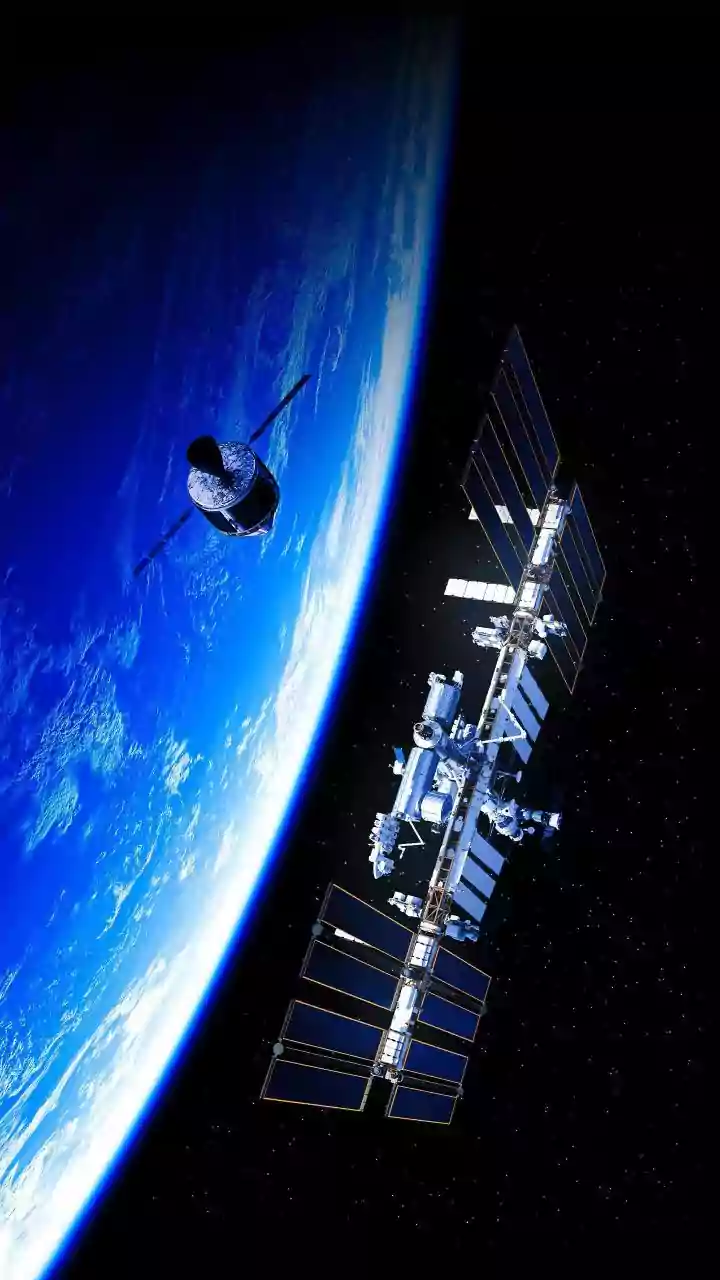
Once in space, the real challenge begins. The two separate spacecraft stacks must find each other and perform an autonomous rendezvous and docking manoeuvre in Earth orbit. This means the two will align and connect to form one large, integrated spacecraft, a feat ISRO has been actively preparing for with its Space Docking Experiment (SPADEX). The SPADEX mission is designed to test and master the technologies needed for two spacecraft to dock automatically, a critical capability for both Chandrayaan-4 and India's future space station, the Bharatiya Antariksh Station. Once successfully docked, the combined craft will be ready for its journey to the Moon.
The Journey to the Moon and Back
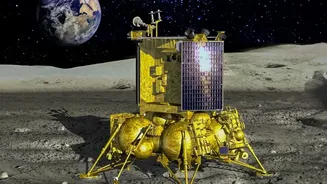
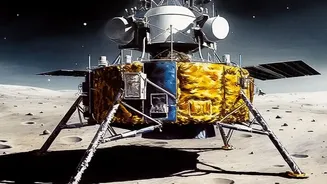
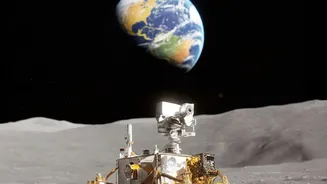
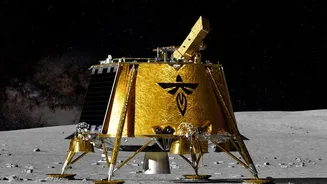
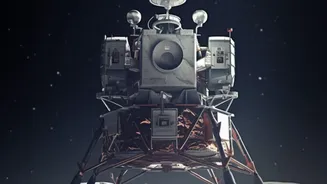
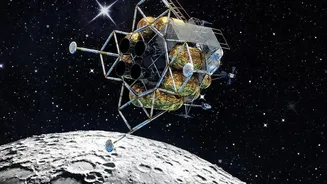
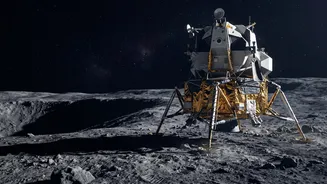
After docking, the Propulsion Module will fire its engines to push the integrated stack out of Earth's orbit and towards the Moon. Upon reaching lunar orbit, the spacecraft splits again. The lander (Descender Module) and Ascender Module will separate and begin their descent to the lunar surface. After a soft landing, a robotic arm will collect surface and sub-surface samples and transfer them into the Ascender Module. Once the collection is complete, the Ascender launches itself off the Moon—using the lander as a launchpad—and docks with the Transfer and Re-entry modules that were waiting in lunar orbit. The precious cargo is then transferred to the Re-entry Module for the final leg of the journey home.
A Leap for India's Space Ambitions
Successfully executing a multi-launch, in-orbit docking mission would be a monumental achievement for ISRO. It would make India only the fourth country in the world to successfully return samples from the Moon, following the Soviet Union, the United States, and China. The mission, slated for around 2028, is more than just a scientific endeavour; it's a crucial technology demonstrator. The capabilities mastered in Chandrayaan-4—particularly orbital rendezvous and docking—are the foundational building blocks for more complex future missions, including sending Indian astronauts to the Moon and constructing a space station. It represents a major step in cementing India's status as a top-tier space-faring nation.