


The Late-Monsoon Forecast
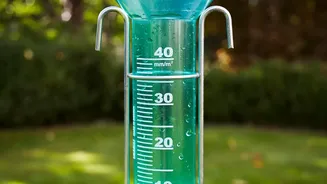
The IMD's latest forecast, released at the end of July, indicates that rainfall for the August-September period is likely to be below normal, which is defined as less than 94% of the Long Period Average (LPA). The forecast for August specifically points
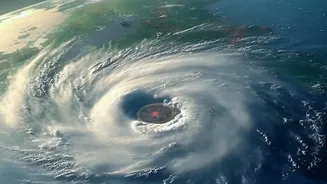
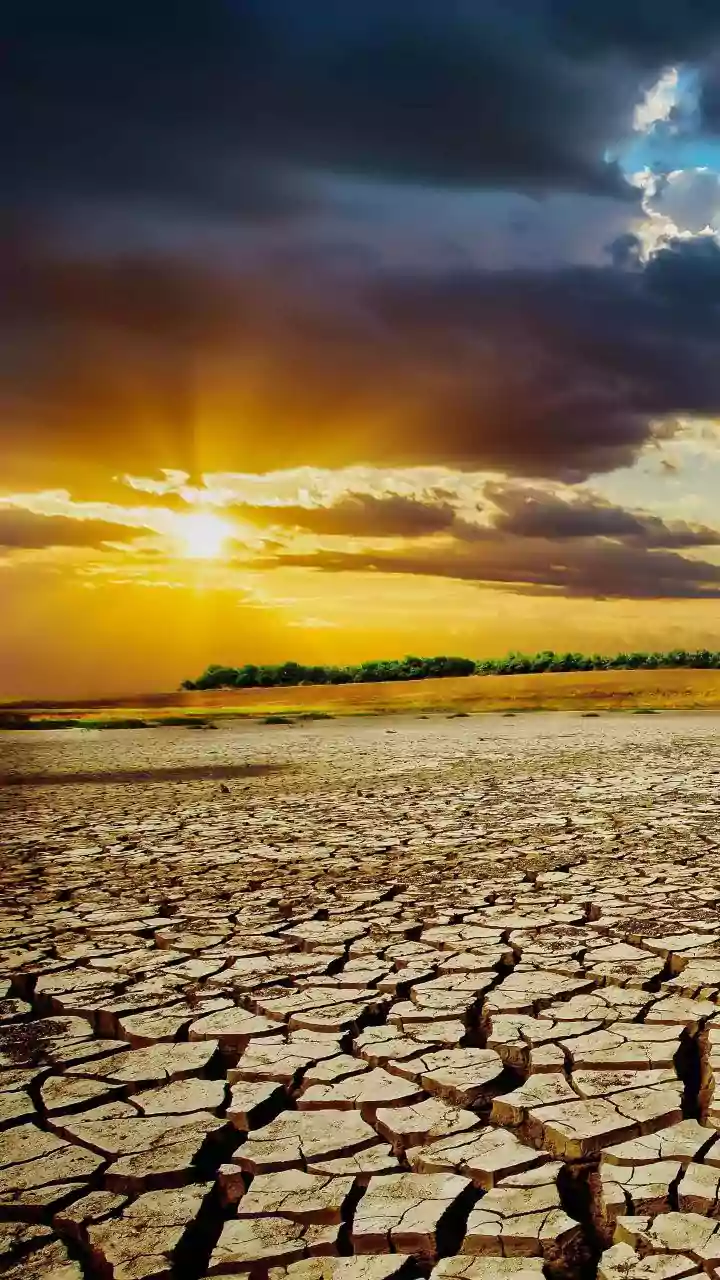
towards below-normal rainfall for the country as a whole. This weaker monsoon performance is linked to strengthening El Niño conditions over the Pacific Ocean, a climate pattern often associated with reduced rainfall in India. While the outlook is subdued nationally, there are regional variations. Some parts of Peninsular India, Central India, and the northeastern states may still receive normal to above-normal rainfall. However, the overall trend suggests that the heavy lifting done by July rains—which helped recover from a dry June—may not continue, putting pressure on water resources for the coming months.
A Look at Our Water Banks
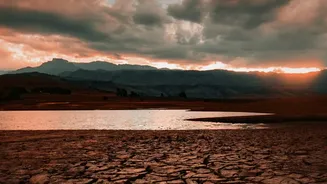
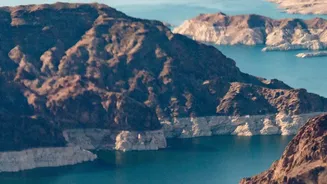
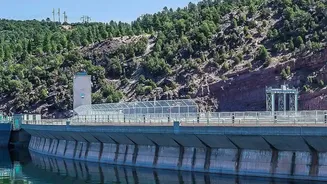
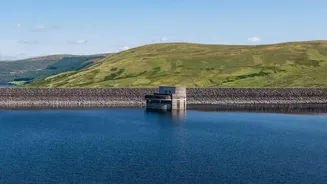
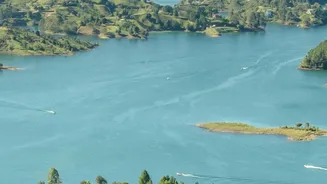
The performance of the monsoon so far has left India's major reservoirs in a precarious state. According to data from the Central Water Commission (CWC), as of late July 2026, the collective storage in 166 of the country's major reservoirs was at 44% of total capacity. This is significantly lower than storage levels during the same period last year. The situation is particularly concerning in the southern region, where reservoirs were only at 34% of their capacity. While July rains provided some relief after a deficit in June, the cumulative rainfall for the season remains below normal. This deficit directly translates to lower-than-ideal inflows into reservoirs, which are vital for post-monsoon water security. With a below-normal forecast for the rest of the season, these 'water banks' may not get the deposits needed to see us through the dry months ahead.
Why This Matters for the Rabi Season
The water stored in reservoirs during the monsoon is the lifeline for the winter, or Rabi, crop season. Crops like wheat, mustard, and chana are heavily dependent on this stored water for irrigation, especially in regions that don't receive significant winter rainfall. A shortfall in monsoon rains means less water is available in dams and groundwater tables are not fully replenished. This puts direct pressure on farmers, who may face reduced water allocations for irrigation. Lower reservoir levels can lead to increased reliance on groundwater, raising pumping costs and depleting already stressed aquifers. A weak end to the monsoon can therefore have a cascading effect, impacting agricultural productivity, food prices, and the rural economy long after the rains have stopped.
Actionable Steps for Farmers
Given the forecast, farmers should adopt a proactive stance. This is the time to plan for water-efficient strategies. Those in areas with declared water shortages should consider shifting to less water-intensive crops for the Rabi season. Adopting techniques like micro-irrigation (drip and sprinkler systems) can help make every drop of water count. Additionally, farmers can focus on soil moisture conservation methods, such as mulching and zero-tillage farming, to preserve the water already in the ground. Keeping a close watch on advisories from local agricultural departments and the CWC regarding reservoir release schedules will be crucial for planning irrigation cycles effectively. For some, investing in on-farm water storage solutions, like ponds or recharge pits, can help capture any rainfall that does occur.
Urban and Household Water Management
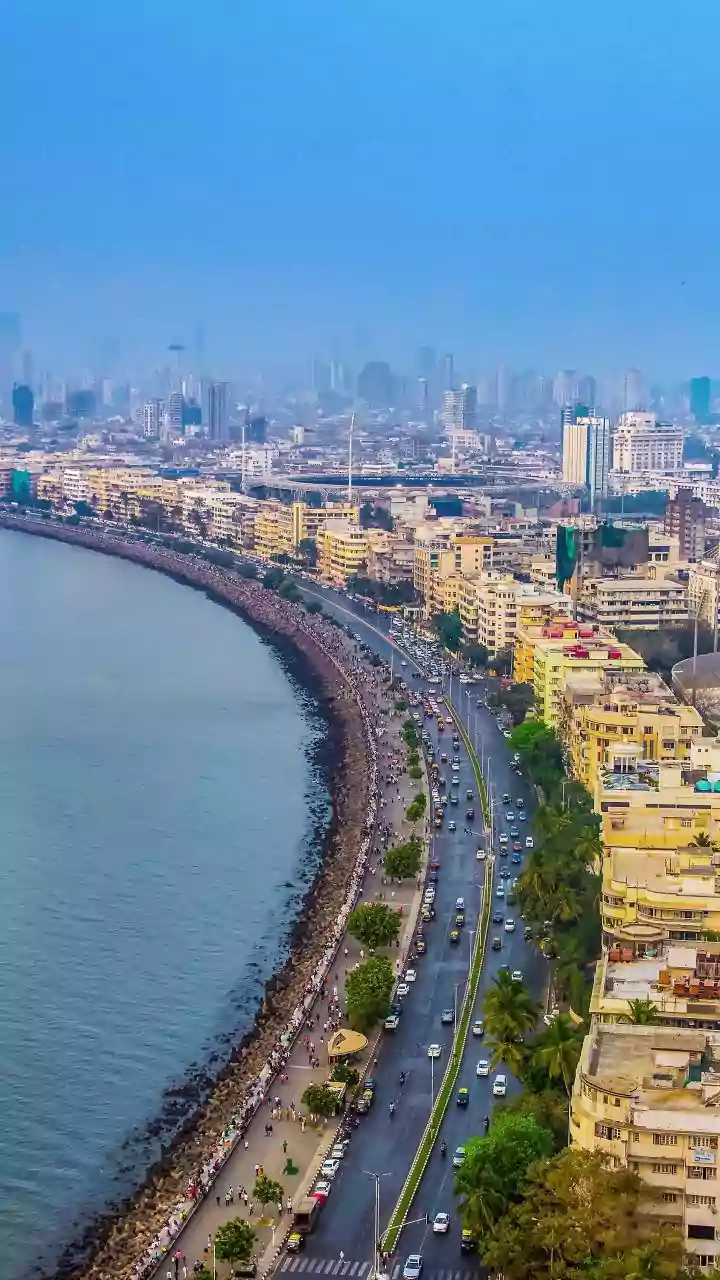
Water planning isn't just for rural areas. Cities across India are already facing the strain of low reservoir levels, with some municipalities implementing water cuts even during the monsoon. For households, this is a signal to intensify water conservation efforts. Simple steps like fixing leaks, using water-saving fixtures, and avoiding wasteful practices can make a significant collective impact. Urban residents should also stay informed about their municipal water supply schedule and report any major leaks in public infrastructure. Community initiatives like promoting rainwater harvesting in residential complexes and keeping local storm drains clear can also improve water availability and reduce urban flooding. The forecast is a reminder that urban water security is directly tied to the health of our reservoirs.