








The Global Shift Towards Flexibility
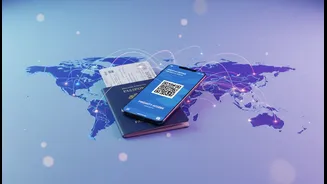
Around the world, governments are making a strategic 'pivot' in their visa policies. Driven by a desire to reboot tourism economies, attract global talent, and streamline border security through digitalisation, these changes are creating new, more accessible
pathways for travellers. For Indian passport holders, who have seen their passport's power increase significantly in recent years, this trend is opening doors that were previously harder to access. Countries are increasingly offering visa waivers, simplified e-visas, and longer-term options, moving away from cumbersome paperwork and lengthy embassy queues. This shift acknowledges that modern travellers, including tourists and remote workers, are a valuable source of revenue and cultural exchange.
The Rise of the Digital Nomad Visa
One of the most significant pivots is the creation of 'digital nomad' visas. As remote work becomes a permanent fixture globally, dozens of countries are now competing to attract location-independent professionals. Nations like Spain, Italy, Portugal, Estonia, Croatia, and the UAE have launched specific visas allowing individuals to reside in the country for a year or more, provided they work for a foreign employer or clients. For Indians in the tech, creative, or freelance sectors, this is a game-changer. Instead of a short tourist trip, you can legally live and work from a beach in Costa Rica or a historic European city. These visas typically require proof of a minimum monthly income, health insurance, and a clean criminal record, offering a structured way to experience long-term travel without violating immigration laws.
Europe's New Digital Chapter for Indians
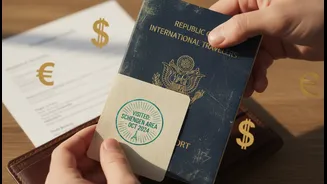
Europe, a perennially popular destination, is undergoing its biggest visa overhaul in years. In January 2026, the India-EU Mobility Pact was signed, promising a future of digital applications, faster processing, and more streamlined procedures for Indian applicants. A key active change is the 'cascade regime,' which creates a clear pathway to long-term, multiple-entry Schengen visas. Indians who have lawfully used previous visas can now more easily obtain 2-year and then 5-year multiple-entry visas, eliminating the need to reapply for every trip. Furthermore, the entire Schengen Area is digitising its borders with the new Entry/Exit System (EES), replacing passport stamps with biometric scans. While this means stricter tracking of the 90/180-day rule, it also paves the way for a fully digital visa sticker, making the process more secure and modern.
More E-Visas and Waivers on the Map
Beyond long-term stays, the simplest pivot is the expansion of visa-free access and easy e-visas for Indian passport holders. In 2026, over 55 countries allow Indians entry without a traditional visa. Recent additions and extensions have been particularly welcome. Malaysia, for instance, now offers 30-day visa-free stays, while Kazakhstan allows for 14 visa-free days. Many other nations, from Sri Lanka and Vietnam in Asia to Kenya in Africa, have simplified their processes with efficient e-visa systems that can be completed online in a matter of days. Some countries, like Argentina, now permit entry to Indians who already hold a valid visa from the US or Schengen area, a policy that greatly simplifies multi-country itineraries. This growing list provides a wealth of spontaneous, low-stress travel options.
Navigating the New Rules Smartly
While these pivots offer exciting opportunities, they also require travellers to stay informed. Immigration rules are dynamic; a visa-on-arrival policy can be suspended, or a new digital system can experience teething issues. For example, recent changes in July 2026 saw Japan increase its visa fees significantly and Vietnam introduce a new health declaration form. The US is piloting a premium processing fee for faster interview slots, an option for those willing to pay for speed. Always check the official embassy or government immigration websites for the most current requirements before booking any travel. Using updated resources and understanding the specific rules for your chosen destination — whether it's income proof for a nomad visa or the validity requirements for a visa waiver — is the key to truly stress-free travel.