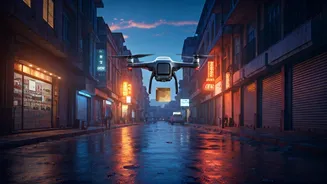










The 10-Minute Shopping Cart
The revolution is happening in 10-minute increments. This is the world of quick commerce, or q-commerce, an industry built on delivering goods not in days or hours, but in minutes. What began as a niche service for forgotten grocery items like milk and
bread has become a mainstream force. Platforms like Zomato's Blinkit, Swiggy's Instamart, and Zepto have trained city dwellers to expect instant gratification. This hyper-local model relies on a network of 'dark stores'—small, strategically placed warehouses in dense urban neighborhoods that stock high-demand products. The Indian quick commerce market was valued at over USD 3 billion in 2024 and is expanding rapidly, fuelled by a young, digital-first population with rising disposable incomes.
From Groceries to Gadgets and Beyond
While daily essentials like dairy, fruits, vegetables, and snacks still form the backbone of most orders, the catalogue is rapidly expanding. Consumers are now turning to these apps for a surprisingly diverse range of products. Recent trends show a surge in orders for electronics, beauty and cosmetic products, personal care items, over-the-counter medicines, pet supplies, and even stationery. Some platforms are pushing the boundaries even further, delivering items like LEGO sets, kitchen appliances, and even printing and delivering passport photos in minutes. This expansion shows a fundamental shift: quick commerce is no longer just for distress purchases but is becoming a primary, all-purpose shopping channel for many. One user in Chennai reportedly spent over ₹1.2 lakh on tech products via quick commerce, while another in Mumbai spent ₹15 lakh on pet supplies.
Why Instant Gratification Is Winning
Several factors are driving this behavioural change. Hectic urban lifestyles leave little time for traditional shopping trips. The convenience of getting what you need, when you need it, is a powerful proposition, and studies show a majority of urban consumers are willing to pay a premium for it. The pandemic accelerated the adoption of all forms of e-commerce, and habits formed during lockdowns have persisted. Furthermore, India's high urban density, widespread smartphone penetration, and accessible mobile data create the perfect environment for this model to thrive. For many, especially the Gen Z cohort that makes up a significant portion of users, the speed of q-commerce is becoming a baseline expectation, not a luxury.
The New Retail Battleground
The explosive growth has intensified competition. It's no longer just the original start-ups in the race. E-commerce giants like Amazon and Flipkart are aggressively scaling their own quick delivery services, Amazon Now and Flipkart Minutes, respectively. These behemoths are investing heavily in expanding their networks of micro-fulfilment centres into hundreds of cities, including a strong push into Tier II and Tier III markets. This expansion is reshaping the entire retail landscape, putting immense pressure on traditional kirana stores that have long been the backbone of Indian neighbourhoods. The competition is fierce, and the central challenge for all players remains achieving long-term profitability while managing the high operational costs of maintaining a network of dark stores and a vast delivery fleet.