






Beyond a Basic Weather Check
A quick glance at a weather app showing a cloud and a raindrop is not enough when planning a monsoon adventure. The season is notoriously unpredictable, with conditions that can change in minutes. Flash floods, landslides, and sudden, intense downpours
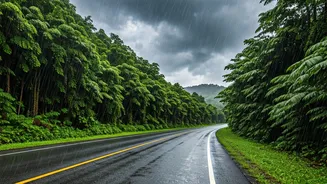
are significant risks, particularly in hilly or remote areas. [21, 23] Heavy rainfall saturates the ground, drastically increasing the chances of landslides on steep terrain. [16, 21] This is especially true in areas with recent construction or deforestation. [16] Similarly, what starts as a scenic drive can quickly become dangerous due to waterlogged roads that hide potholes or have been washed away. [29] Adventure during the monsoon isn't just about avoiding getting wet; it's about understanding that the environment you are entering is volatile and requires a deeper level of respect and preparation. [13, 28]
How to Read Official IMD Warnings
The India Meteorological Department (IMD) is the primary agency for weather warnings in the country and uses a simple colour-coded system to communicate the severity of expected weather. [5, 7, 19] Understanding these alerts is crucial for your safety.
* Green (All is well): No advisory is issued. This indicates normal weather conditions. [7, 14]
* Yellow (Be Aware): This alert suggests that the weather could worsen and disrupt daily activities. It serves as a watch signal to stay updated. [5, 7]
* Orange (Be Prepared): This is a warning for extremely bad weather that has the potential to disrupt travel, close roads, and interrupt power. You should be prepared to cancel or postpone plans. [5, 6, 7]
* Red (Take Action): This is the highest level of warning, issued when severe weather is imminent and poses a significant risk to life and property. All non-essential travel should be avoided. [5, 6, 14]
Your Digital Safety Toolkit
Equipping your smartphone with the right applications can provide you with real-time, location-specific information. For official alerts directly from the government, the IMD has its own suite of apps. 'Mausam' provides general forecasts, radar images, and warnings. [17, 19] 'Meghdoot' is tailored for agricultural advice but is useful for weather information, and 'Damini' provides specific alerts for lightning strikes. [22] Other reliable third-party apps like AccuWeather and WeatherBug are also popular for their detailed forecasts and features like minute-by-minute precipitation updates or real-time lightning alerts. [4] When planning a trip, use these tools not just to check your destination but the entire route, as conditions can vary dramatically. [13]
Essential On-the-Ground Precautions
Technology is a vital tool, but it doesn't replace common sense. Before and during your adventure, always consider the on-ground reality.
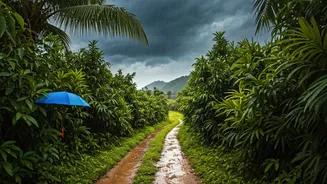
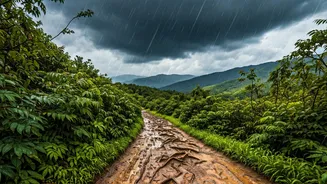
For Trekkers and Hikers: Wet, muddy trails dramatically increase the risk of slips and falls. Fungal infections can also be an issue, so keeping your feet clean and dry is important. [3] Avoid walking through puddles or stagnant water, which can be breeding grounds for diseases. [3, 10] Always wear full-sleeved clothing to protect against mosquito bites, as the risk of dengue and malaria increases during the monsoon. [3, 12]
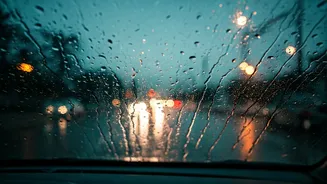
For Drivers: Wet roads reduce tyre traction, making skids more likely. [27, 29] Reduce your speed, maintain a greater distance from the vehicle in front, and avoid sudden braking or steering. [27, 31] Never attempt to drive through flooded areas; it's impossible to gauge the water's depth or see hidden obstacles. [27] Ensure your vehicle's tyres, wipers, and lights are in excellent condition before you start. [28]