


The Tiffin Gets A Modern Makeover
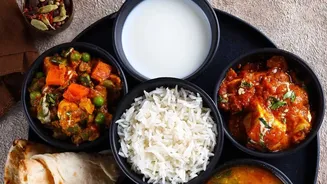
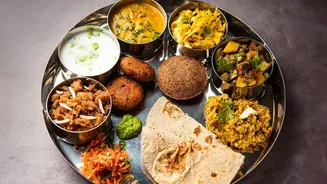
The traditional Indian lunchbox, or tiffin, is a masterpiece of function—a stackable set of steel containers designed to carry a complete meal from a home kitchen to an office desk or school canteen. Its vertical design is perfect for separating dal,
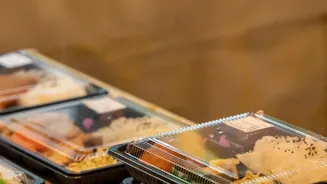
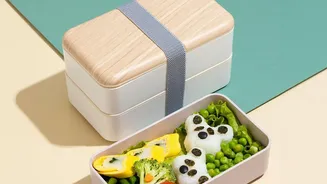
sabzi, and rice. Now, enter the bento box. Originating in Japan, a bento is typically a single, flat container with multiple compartments. While the tiffin stacks vertically, the bento arranges food horizontally. This simple difference is at the heart of its growing appeal. It’s not just a box; it’s a canvas for food, encouraging balance, variety, and a little bit of artistry in every meal.
Why Compartments Are Capturing Attention
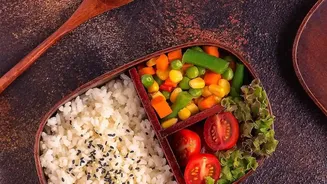
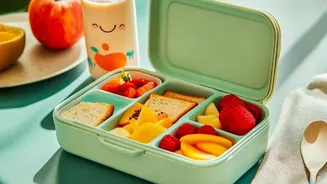
The primary advantage of the bento box is its built-in organization. The separate compartments are a game-changer for Indian cuisine. No more will your raita seep into your pulao, or your pickle stain your paratha. This separation preserves the distinct flavours and textures of each dish. This format is also a natural fit for the growing interest in health and wellness. The small, dedicated sections encourage portion control without conscious effort and make it easier to pack a balanced meal with carbohydrates, protein, vegetables, and a small treat all in one place. For parents of picky eaters, this variety can make lunchtime more engaging and less of a battle.
The Rise of the Visually Pleasing Lunch
In an age of social media, we eat with our eyes first. The bento box trend is partly driven by this visual culture. Japanese bento-making is an art form, focused on creating a meal that is as beautiful as it is delicious, with a balance of colours and shapes. While most people aren't creating elaborate cartoon characters with their food, the neat, colourful arrangement in a bento box is undeniably more appealing than a meal mixed together in a single container. This aesthetic consideration is turning the mundane task of packing lunch into a creative outlet for many, from mothers preparing attractive meals for their children to young professionals curating their midday meal.
How to Pack the Perfect Indian Bento
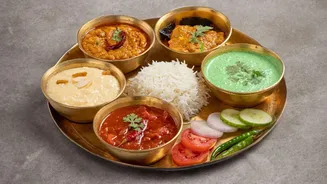
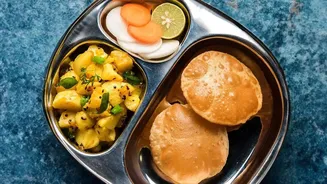
Adapting Indian food to a bento box is simple and intuitive. The largest compartment is typically reserved for the main carbohydrate, like jeera rice, a folded roti, or mini uttapams. A second, well-sealed compartment can hold a semi-dry sabzi or a thick dal or curry, such as paneer bhurji or chana masala. Smaller sections are perfect for accompaniments. Think of a fresh kachumber salad, a dollop of yogurt or raita, a piece of pickle, or a handful of roasted makhana. A final small compartment can house a sweet treat, like a few pieces of cut fruit or a single gulab jamun, providing a complete and satisfying thali-in-a-box experience.