


The Search for Healthier Sips
The single biggest driver behind this beverage revolution is a collective shift towards health and wellness. Indian consumers are increasingly conscious of what they consume, and the high sugar content, artificial flavours, and empty calories of many
carbonated drinks are losing their appeal. As awareness about lifestyle diseases like diabetes and obesity grows, hosts and guests alike are seeking out 'cleaner' alternatives that offer refreshment without regret. Traditional drinks, made from natural ingredients, fit this demand perfectly. They offer hydration and flavour, often with added functional benefits that have been recognised in Indian homes for centuries, such as aiding digestion or providing a cooling effect.
A Renaissance of Regional Recipes
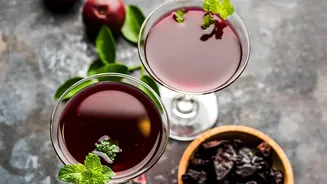
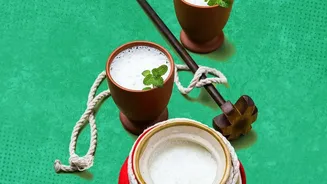
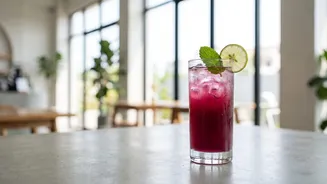
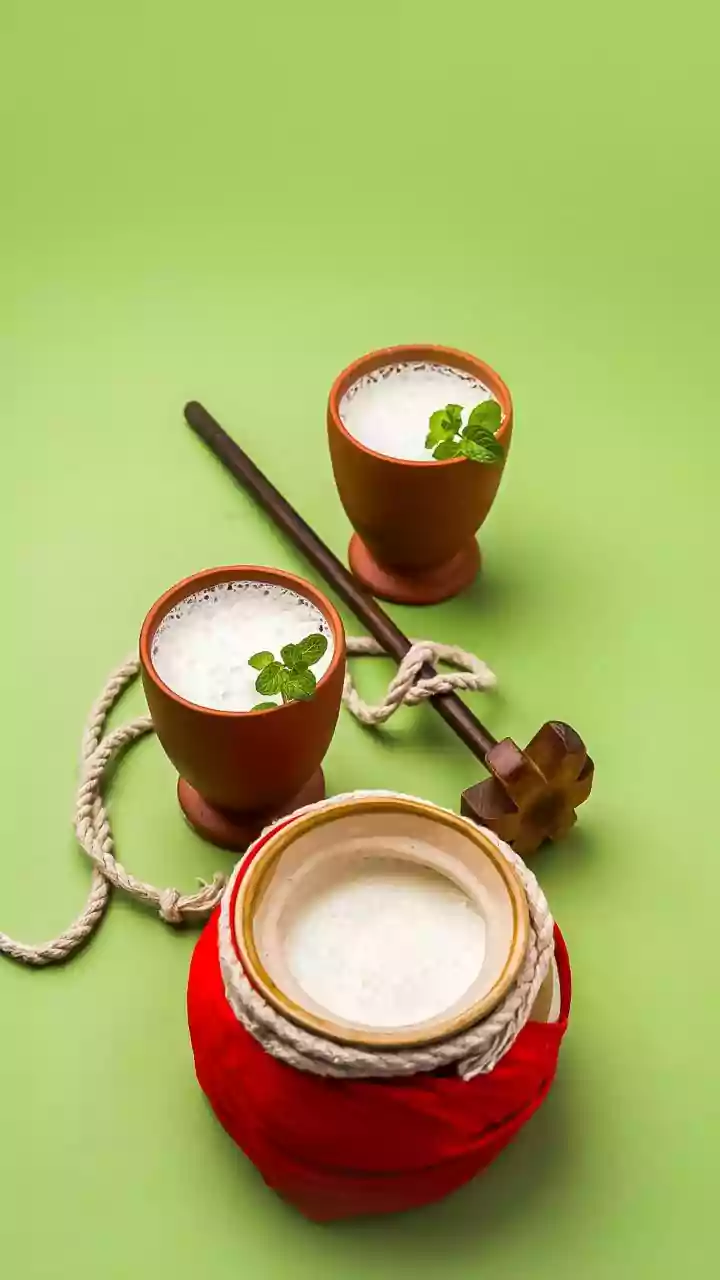
This trend is more than just a rejection of the unhealthy; it is a celebration of the authentic. There is a growing pride in India's rich culinary heritage, and beverages are a huge part of that. Drinks that were once confined to specific regions or family kitchens are now being rediscovered and shared widely. Kokum sharbat, a tangy, deep-red cooler from the Konkan coast, is a prime example. Likewise, nimbu pani (lemonade) is being elevated from a simple street-side quencher to 'shikanji' with complex spice blends featuring roasted cumin and black salt. This revival extends to other traditional favourites like aam panna (raw mango punch), sattu sharbat, and bel sharbat, all finding a new, appreciative audience.
Flavour, Complexity, and the Modern Palate
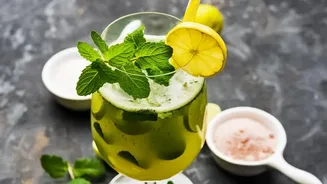
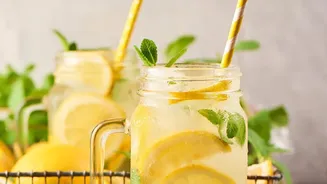
Indian palates are evolving. After decades of being dominated by mass-produced sweet drinks, consumers are craving more complexity. Traditional beverages offer a sophisticated spectrum of tastes—sweet, sour, salty, and spicy—often in a single glass. The tartness of kokum, the zing of ginger in mint lemonade, and the earthy notes of cumin in jaljeera provide a more interesting and satisfying flavour experience than a one-dimensionally sweet soda. This shift is also visible in the cocktail world, where bartenders are increasingly using local ingredients like gondhoraj lemons and kokum to create unique, India-inspired drinks.
The Instagram-Worthy Aesthetic
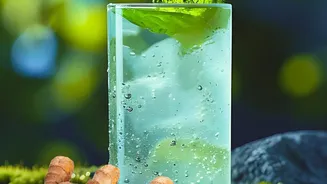
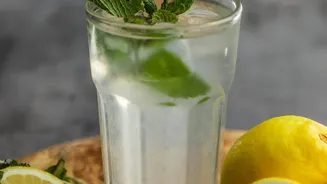
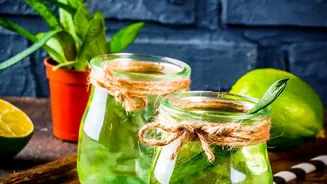
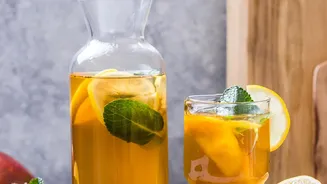
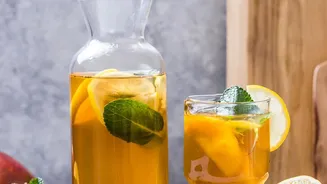
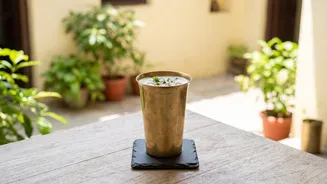
In the age of social media, we drink with our eyes first. A significant part of the appeal of these traditional infusions is their visual charm. Served in tall glasses with fresh garnishes like mint leaves, lemon slices, and colourful flowers, these drinks are incredibly photogenic. The vibrant natural hues—the deep purple of kokum, the bright green of mint, and the sunny yellow of mango—look stunning on a party spread and on an Instagram feed. This aesthetic appeal encourages hosts to get creative, turning the beverage station into a centrepiece and making guests feel treated to something special and thoughtfully prepared.
Understanding the Stars of the Show
For the uninitiated, spiced kokum and mint lemonade are revelations. Kokum sharbat is made from the dried rind of the Garcinia indica fruit, native to India's Western Ghats. It's known for its cooling properties and is a natural digestive aid. The flavour is uniquely tart and slightly sweet. Mint lemonade, or shikanji, is a spiced-up version of nimbu pani. While the base is lemon juice, water, and sugar, the addition of ingredients like black salt, roasted cumin powder, and sometimes ginger, elevates it into a savoury, tangy, and deeply refreshing drink that's perfect for cutting through the richness of party food.