


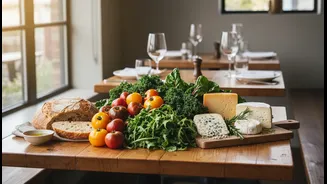


More Than Just Farm-to-Table
The term 'farm-to-table' has become a familiar sight on menus, promising fresh, locally sourced food. Hyperlocal sourcing, however, takes this concept a significant step further. It's an approach that prioritises ingredients from an extremely tight radius—sometimes
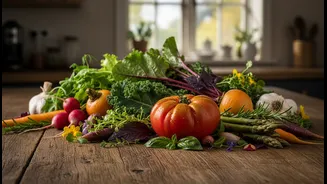
just a few kilometres, a neighbouring village, or even a restaurant's own rooftop garden. This isn't just about reducing the distance food travels; it's about creating an intimate connection between the chef, the farmer, the land, and the diner. The focus shifts from general 'local' produce to specific ingredients cultivated in the immediate community, often involving direct partnerships between chefs and growers. Some Indian restaurants and hotels have embraced this by cultivating their own kitchen gardens, giving them direct control over the quality and type of produce they use.
The Undeniable Taste of Freshness
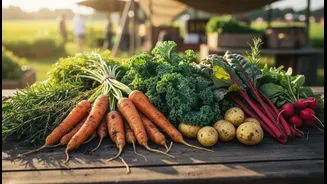
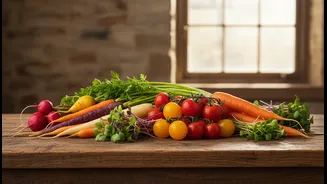
The most significant advantage of hyperlocal sourcing is the unparalleled freshness and flavour it brings to the plate. Produce that is harvested just hours before being cooked retains its peak nutritional value and taste, something that produce transported over long distances simply cannot match. This immediacy allows chefs to capture the true essence of an ingredient. In a country as diverse as India, this also means celebrating micro-cuisines and ingredients unique to a specific region. A dish can tell the story of its environment, from a particular fish found only in a local river to a foraged green that grows for just a few weeks a year. This focus on seasonality and peak ripeness results in a dining experience that is vibrant, authentic, and constantly evolving.
Creating a Culinary Identity
Across India, pioneering chefs and restaurants are using hyperlocal ingredients to forge distinct culinary identities. In Bengaluru, Farmlore crafts menus based on ingredients harvested from its own farm. In Mumbai, pioneers like The Table have long championed the farm-to-table concept, building a reputation on the quality of their ingredients. This movement goes beyond just metros. Inspired by models like the Kanjikuzhi panchayat in Kerala, which became vegetable-sufficient through community farming, resorts like CGH Earth's Marari Beach practice organic farming to reflect the local ecosystem. By building menus around what is immediately and seasonally available, these establishments become destinations in themselves. They offer a taste of a place that cannot be replicated elsewhere, turning a meal into a unique cultural and sensory journey.
A Boost for Community and Sustainability
The impact of hyperlocal sourcing extends well beyond the kitchen. By purchasing directly from nearby producers, restaurants inject money into the local economy and help sustain small farms and artisanal creators. This collaborative relationship fosters a sense of community pride and shared success. Environmentally, the benefits are clear. Shorter supply chains drastically reduce the carbon footprint associated with food transportation, known as 'food miles'. This approach also often leads to less food waste, as chefs can order smaller, more precise quantities and use techniques like root-to-stem cooking to maximise every part of the ingredient.
Navigating the Practical Challenges
Despite its many benefits, implementing a truly hyperlocal model is not without its challenges. The primary hurdle is supply consistency; small, local farms can be affected by weather and seasonal limitations, making it difficult to guarantee a steady stream of specific ingredients. To overcome this, chefs must be flexible and creative, designing menus that can adapt to what's available. Costs can also be higher compared to sourcing from large-scale distributors, a factor that often needs to be balanced with the premium quality offered. Furthermore, it is not always feasible for a restaurant to be 100% hyperlocal, as certain essentials may need to be sourced from further afield.