






The Social Media Monsoon Fantasy
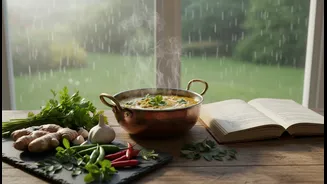
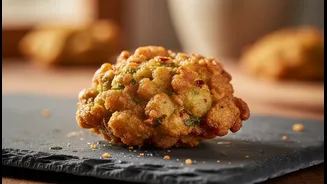
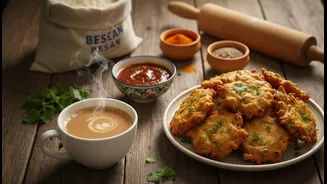
As the first rains of the season arrive, our social media feeds are flooded with an aspirational aesthetic. We see artfully crafted cups of coffee with perfect foam art, platters of impossibly crispy pakoras, and loaded fries dripping with precisely drizzled
sauces. It's a romantic, cozy vision of the monsoon, curated and presented in 30-second clips. This content, designed for maximum visual appeal and engagement, often presents cooking as an effortless, glamorous act. The reality, as many home cooks discover, is that recreating these cafe-style delights is far from simple. The hype sets an unrealistic benchmark, leading to disappointment when our homemade versions don't match the pixel-perfect images on our phones. This isn't just about a failed recipe; it’s about a wider disconnect between the commercialised fantasy of food and the practical reality of a home kitchen.
The Ingredient and Equipment Gap
One of the most overlooked aspects in viral recipe videos is the significant difference between commercial and home kitchens. Cafes use professional-grade equipment designed for consistency and volume. Their deep fryers maintain a constant oil temperature, which is the secret to a non-greasy, perfectly crisp pakora. Home stovetops and kadhais struggle to replicate this, with oil temperatures dropping each time a new batch is added, leading to oilier, less crispy results. Similarly, that frothy cappuccino is made with a high-pressure espresso machine, not a simple hand whisk. The ingredients are different too. Restaurants buy ingredients in bulk and often use commercial-grade products, from pre-made sauces and specific flour blends to high-fat butters that perform differently. A recipe creator’s “pinch of spice” might come from a professionally sourced, potent batch that a home cook can’t easily find.
The Hidden Skill of Technique
Beyond ingredients and equipment lies the invisible but crucial element of professional technique. A chef in a cafe has spent years honing their craft. They understand not just the 'what' but the 'why' of a recipe. They know how to properly 'mise en place' (prepare and organize ingredients), control heat with precision, and adapt on the fly. A short video might show a batter being mixed, but it won't explain the science of why overmixing will lead to tough pakoras. It might show potatoes being fried once, omitting the crucial double-frying technique that gives cafe fries their signature crunch. These details are often skipped in favour of a faster, more visually appealing video, leaving home cooks without the foundational knowledge needed for success. The recipe isn't just a list of steps; it's a process that relies on learned skills.
The Crucial Monsoon Context: Food and Water Safety
Perhaps the most important context missing from the hype is a conversation about food safety, which is especially critical during the monsoon. The high humidity and increased moisture create a breeding ground for bacteria and fungus. Water sources can become contaminated, making it essential to use boiled or filtered water for everything, including washing vegetables and making chutneys. Raw foods, like salads and some garnishes, carry a higher risk. Experts advise washing leafy greens with salt water and steaming vegetables instead of eating them raw. Furthermore, leftover food spoils much faster in the damp climate. Proper storage in clean, airtight containers and a well-maintained refrigerator is non-negotiable. Ignoring this context in pursuit of a pretty dish can lead to unpleasant bouts of foodborne illness, turning a cozy monsoon experience into a miserable one.
Embracing the Charm of Home Cooking
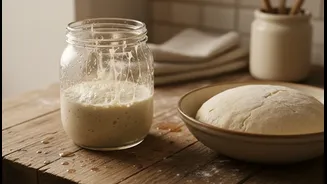
The high humidity of the monsoon doesn't just affect food safety; it affects the science of cooking itself. Flour and other dry ingredients are hygroscopic, meaning they absorb moisture from the air. On a damp day, a standard recipe for dough or batter might turn out too sticky and slack because the flour already contains excess water. This can lead to dense cakes or pakoras that refuse to crisp up. Experienced bakers know to reduce the liquid in their recipes or add a little extra flour on humid days to compensate. This is the kind of practical, context-specific knowledge that is far more valuable than a trendy, one-size-fits-all video. It empowers the home cook to work with their environment, not against it.