






An Ancient Grain's Modern Renaissance
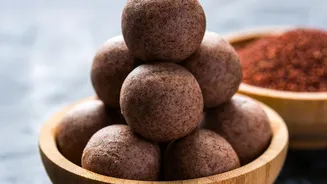
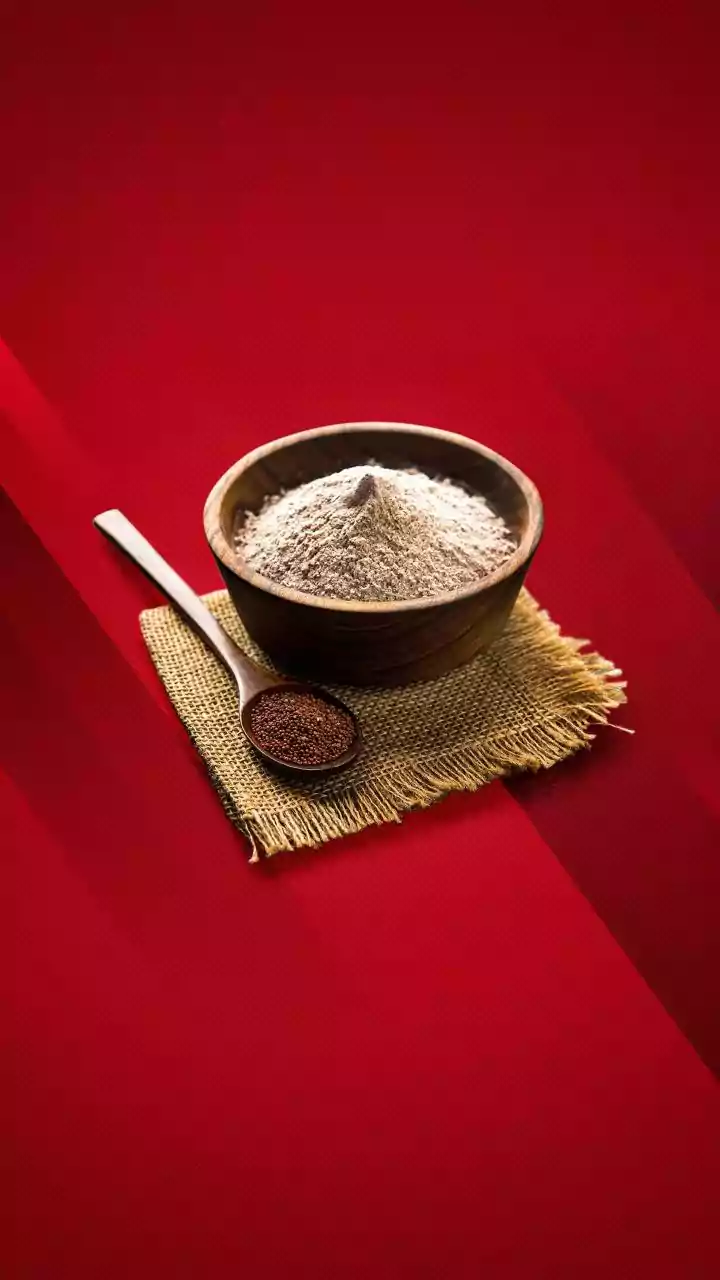
Finger millet, known across India as ragi, is a hardy and nutritious grain that has been a staple for centuries, especially in southern states like Karnataka. Naturally gluten-free, ragi is celebrated for its impressive nutritional profile. It's an excellent
source of dietary fibre, which aids digestion and promotes a feeling of fullness, making it a great ally for weight management. But its real claim to fame is its high calcium content, which is crucial for bone health, and its significant iron levels, which help combat anaemia. This tiny grain also packs a punch with essential amino acids, antioxidants, and B-complex vitamins, establishing it as a true superfood.
The Transformative Power of Fermentation
The magic happens when ragi is fermented. This ancient preservation technique, used to create drinks like Ambali or Koozh, does much more than just add a pleasant tangy flavour. The process involves cooking ragi flour into a porridge and allowing it to sit, often overnight, which encourages the growth of beneficial microbes. These microbes, primarily lactic acid bacteria, work to break down complex compounds in the grain. One of the most significant effects is the reduction of 'anti-nutrients' like phytic acid. Phytic acid can bind to minerals like calcium, iron, and zinc, making them harder for our bodies to absorb. By breaking down these anti-nutrients, fermentation unlocks the full nutritional potential of the millet, making these vital minerals more bioavailable.
A Natural Probiotic Powerhouse
Those beneficial microbes that drive fermentation are also known as probiotics. Unlike many commercially available probiotic drinks, fermented ragi beverages are a natural, whole-food source of these gut-friendly bacteria. A healthy gut microbiome, teeming with diverse and beneficial bacteria, is linked to a vast range of health benefits. These include improved digestion, reduced bloating, a stronger immune system, and even better mood and cognitive function through what is known as the gut-brain axis. Drinks like Ragi Ambali essentially serve as a natural synbiotic, providing both probiotics (the good bacteria) and prebiotics (the fibre from the millet that feeds the good bacteria), creating a powerful combination for digestive wellness.
From Humble Homes to Hip Cafes
Traditionally, fermented ragi porridge was considered a cooling, hydrating drink, often consumed by farmers and labourers to provide sustained energy and prevent dehydration in the scorching heat. It was a simple, rustic staple. Today, however, these traditional beverages are experiencing a revival and finding a new audience. Health-conscious diners are seeking out natural, functional foods, and fermented ragi drinks fit the bill perfectly. Cafes and wellness-focused restaurants are adding modern versions to their menus, sometimes served savoury with buttermilk and spices like cumin, or as a chilled, smoothie-like beverage. This resurgence brings a taste of tradition to the modern palate, offering a nutrient-dense and genuinely functional alternative to sugary drinks and conventional snacks.