





The Unseen Weight of Water and Growth
One of the most significant yet overlooked dangers is the cumulative weight on your balcony. Residential balconies are typically designed to hold a specific load, often between 40 to 60 pounds per square foot. This limit includes everything: furniture,
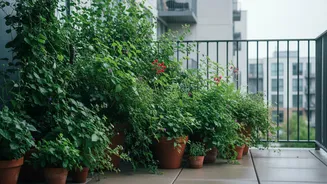
people, and your garden. During the monsoon, this calculation changes dramatically. Soil becomes saturated with water, making it significantly heavier. A large planter with wet soil can weigh hundreds of pounds. When you combine this with the added weight of dense, rain-soaked foliage, the total load can quietly approach or exceed your balcony's structural capacity. It's a gradual increase that many gardeners don't notice until cracks appear or, in the worst cases, structural failure occurs. Distribute heavy items evenly and place the heaviest pots closer to the building's wall, where the structure is strongest.
Pruning: A Crucial Task for Monsoon Safety
Pruning during the rainy season isn't just for aesthetics; it's a critical safety measure. Wild, unchecked growth not only adds weight but also creates a 'sail effect' during strong monsoon winds. Overgrown branches and dense canopies can catch the wind, making pots unstable and increasing the risk of them tipping over or being blown off the balcony. Regular trimming helps maintain a manageable size and shape. Thinning out dense foliage improves air circulation, which is vital for preventing fungal diseases that thrive in the monsoon's high humidity. Focus on removing dead or diseased wood first, then selectively trim crowded areas to allow wind to pass through the plant rather than push against it.
Securing Your Pots and Planters
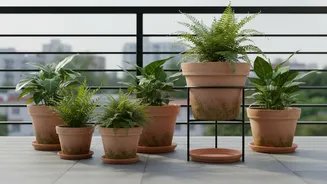
Strong winds and heavy downpours can easily destabilise unsecured pots. Lightweight plastic pots, while convenient, are particularly vulnerable. Ensure all your containers are stable and, if possible, anchored. Avoid placing pots directly on railings. If you use railing planters, make sure they are securely fastened and can withstand strong gusts of wind. For taller plants or those in exposed corners, consider using heavier pots made of terracotta or clustering them with other pots for added stability. You can also use stands to elevate pots, which improves drainage and prevents water from being trapped directly on the balcony floor, which can cause staining and moisture damage over time.
Drainage, Pests, and Other Hidden Risks
The constant moisture of the monsoon brings other challenges. Overcrowded plants with poor air circulation create a perfect breeding ground for pests like mosquitoes and can lead to fungal infections and root rot. Dense, damp foliage can also attract unwanted visitors like rodents or even snakes, who seek shelter in cluttered, undisturbed corners. Ensure every pot has clear drainage holes and that water isn't pooling in saucers. Regularly check for and clear out leaf litter and other debris that can clog drainage outlets on your balcony floor. Spacing your plants adequately not only helps them stay healthy by allowing their leaves to dry but also makes your balcony a less inviting environment for pests.
Smart Plant Choices for a Safer Balcony
While it's tempting to grow everything, some plants are better suited for balcony life, especially during the monsoon. Be wary of species with aggressive root systems, like some types of bamboo, which can damage planters over time. Avoid top-heavy plants in lightweight pots, as they are more likely to topple in the wind. Instead, opt for plants with a lower centre of gravity or those that can be easily pruned to maintain a compact shape. If your balcony is particularly windy, consider low-growing shrubs and creepers that are less susceptible to the sail effect. Choosing the right plants from the start can save you a lot of trouble and worry when the storms roll in.