



The Science of Tadka
That familiar sizzle of spices in hot ghee or oil, known as 'tadka' or tempering, is a cornerstone of Indian cooking for a reason. This technique does more than just add an aromatic punch to dishes like dal and sabzi. When spices like turmeric, cumin,
and mustard seeds are bloomed in fat, their fat-soluble nutrients and active compounds are released and become more bioavailable, meaning your body can absorb them more easily. For instance, the curcumin in turmeric, known for its powerful anti-inflammatory properties, is better absorbed when consumed with fat. This simple step effectively transforms spices from mere flavouring agents into a potent health-boosting elixir that aids digestion and enhances the nutritional profile of the entire meal.
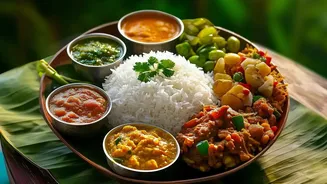
The Balanced Wisdom of the Thali
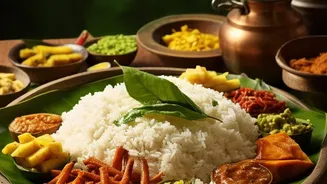
The traditional Indian thali is a masterclass in balanced nutrition, long before the concept of 'macro-counting' became popular. A typical thali platter includes small portions of various dishes, creating a complete meal that covers all essential food groups. You'll find carbohydrates from rice and roti, protein from dal or legumes, and healthy fats from ghee or cooking oils. A variety of seasonal vegetables provide essential vitamins, minerals, and fibre, while a side of dahi (yogurt) offers probiotics for gut health. This built-in portion control and diversity ensure a harmonious blend of the six tastes recognized in Ayurveda—sweet, sour, salty, bitter, pungent, and astringent—leading to greater satiety and overall balance.
The Power of Fermentation
Long before kombucha became a global trend, Indian households mastered the art of fermentation. Staples like idli, dosa, and dhokla are created from fermented batters of rice and lentils. This natural process does wonders for nutrition and digestion. Fermentation breaks down complex carbohydrates and proteins, making these foods incredibly easy to digest. It also neutralizes anti-nutrients like phytic acid, which can block the absorption of minerals. As a result, the bioavailability of nutrients like iron, calcium, and B vitamins is significantly increased. Furthermore, these fermented foods are rich in natural probiotics, which populate the gut with beneficial bacteria, supporting immunity and overall digestive health.
Cooking with Fresh, Potent Spices
The iconic Indian 'masala dabba' (spice box) is essentially a home pharmacy. Traditional cooking emphasizes the use of whole spices, often freshly ground, which retain more of their potency and medicinal properties compared to pre-packaged powders. Spices like turmeric, ginger, cumin, coriander, and asafoetida (hing) are not just for flavour; they serve specific functions based on Ayurvedic principles. Ginger and black pepper are warming and aid digestion, while cumin is known to stimulate digestive enzymes. Asafoetida is prized for its ability to reduce gas and bloating. Regular use of these spices provides a daily dose of antioxidants and anti-inflammatory compounds that work synergistically to support metabolism, gut health, and immunity.
Eating Seasonally and Locally
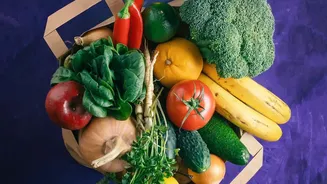
A core tenet of traditional Indian food wisdom is eating in harmony with the seasons. Before global supply chains made all produce available year-round, family cooking was dictated by what was fresh and local. This practice is inherently beneficial. Seasonal fruits and vegetables are harvested at their peak, making them more nutrient-dense and flavourful. Ayurveda teaches that nature provides what our bodies need at different times of the year—cooling foods like gourds in the summer and warming root vegetables in the winter. This approach not only ensures a diverse intake of micronutrients throughout the year but also supports the body's natural rhythms, improving digestion and overall resilience.