



The Science of Saying Goodbye
The monsoon doesn't just switch off; it withdraws in a complex, often erratic process that can take over a month. The withdrawal typically begins from the northwestern parts of the country around mid-September and gradually moves southeast. However, the 2026
season has been marked by unpredictable behaviour. As of early September, while rainfall has subdued in Peninsular India, other regions like central and eastern India are still bracing for heavy showers. The India Meteorological Department (IMD) has noted that this final phase can be erratic, with active weather systems keeping rain alive in some areas while others turn dry. This staggered and sometimes delayed withdrawal means communities cannot let their guard down, as the risk of isolated, intense rainfall remains.
The Commuter's Post-Monsoon Problem
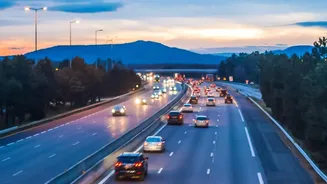
For daily commuters in urban centres like Delhi, Mumbai, and Bengaluru, the end of heavy rains might seem like a relief. However, the retreat phase brings a unique set of problems. Lingering waterlogging from a season of heavy downpours can continue to snarl traffic for weeks. Stormwater drains often remain choked with silt and waste, unable to handle even the final, less intense spells of rain, leading to localised flooding. Furthermore, four months of being battered by rain leaves road surfaces in a perilous state. Potholes, damaged tarmac, and exposed manholes become significant hazards for two-wheelers and cars alike, slowing down traffic and increasing the risk of accidents. Cities are often left to grapple with infrastructure designed for historical rainfall patterns, not the short, intense bursts that are becoming more common.
A New Season for Travellers
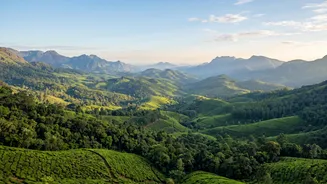
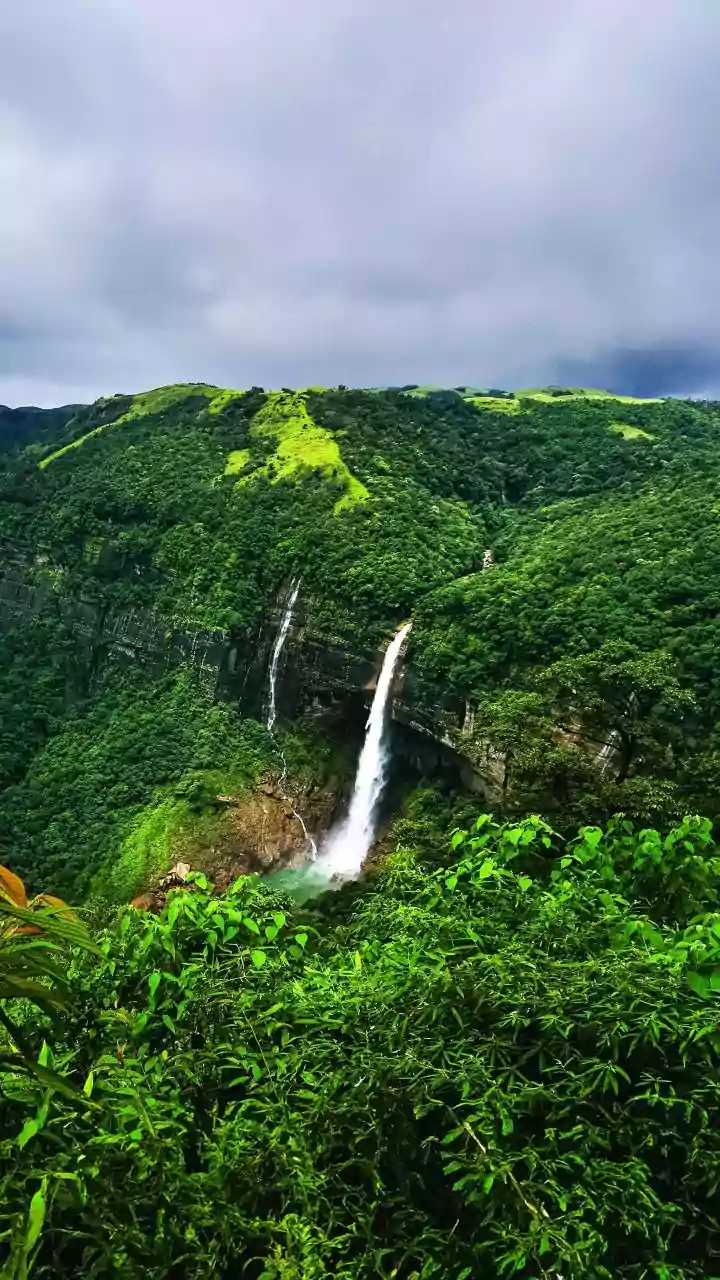
The monsoon's departure opens a golden window for tourism, often considered one of the best times to travel in India. From October, skies clear, temperatures drop, and the landscape, washed clean by the rains, is vibrant and green. This post-monsoon or 'shoulder' season is seeing a surge in popularity, with travellers looking to enjoy lush landscapes and full waterfalls without the peak season crowds and prices. Destinations like Goa, Rajasthan, and the hill stations of Uttarakhand and Himachal Pradesh become particularly appealing. National parks like Jim Corbett, which close during the monsoon, reopen their gates, offering prime wildlife-spotting opportunities. However, this period is not without its risks. Roads in hilly regions, saturated by months of rain, remain vulnerable to landslides even after the rain stops. Travellers must exercise caution, check local conditions before setting out, and build flexibility into their itineraries.
Lingering Health and Infrastructure Woes
The impact of the monsoon's retreat extends beyond just traffic and travel. Stagnant water left behind becomes a breeding ground for mosquitoes, leading to a predictable post-monsoon spike in vector-borne diseases like dengue, malaria, and chikungunya. This poses a significant public health challenge, particularly in densely populated urban areas and regions that experienced flooding. Beyond health, the overall monsoon season's performance has wider economic consequences. A weak or erratic monsoon, as seen in parts of India in 2026, can strain agriculture by forcing farmers to rely on diesel pumps for irrigation and impact hydropower generation, increasing dependence on other energy sources. For travellers, this means being prepared with mosquito repellent and staying updated on any local health advisories.
Navigating the Changing Season
For commuters, the transition requires continued vigilance. It's wise to assume roads are in poor condition, allow extra travel time, and be wary of waterlogged underpasses. Checking local traffic updates before starting a journey can help avoid major snarls. For travellers, the key is planning and flexibility. While October and November offer beautiful conditions, it's crucial to stay informed about road status, especially in mountainous areas. Packing waterproof shoes with good grip and a light umbrella or jacket is still advisable, as the last showers can be unpredictable. Booking accommodations with flexible policies can save headaches if weather forces a change of plans. Ultimately, the monsoon's retreat is a reminder of nature's rhythm—a period of transition that rewards those who are prepared.