


The Allure of Stepwells After Dark
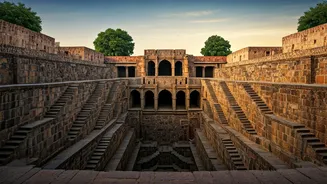
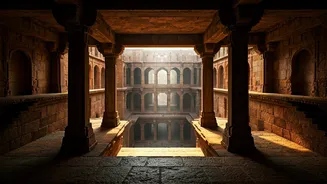
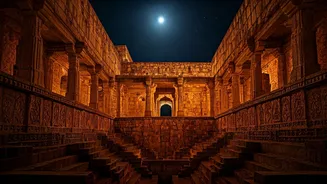
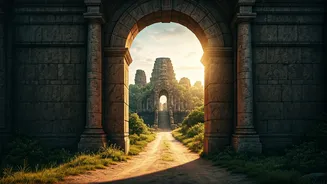
Stepwells, or 'baolis', are architectural marvels unique to India, designed centuries ago to provide communities with year-round access to water. While stunning by day, they transform into entirely different worlds at night. The harsh sunlight is replaced
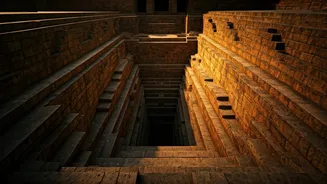
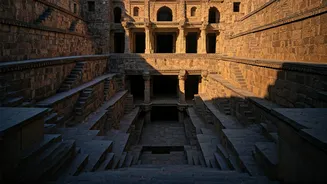
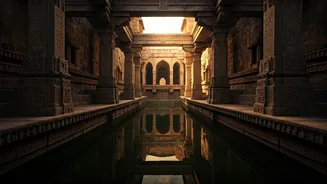
by soft, moody illumination—either from the moon, nearby city lights, or dedicated architectural lighting. This creates deep shadows and glowing highlights that accentuate their incredible geometric patterns. The intricate network of steps becomes a dramatic canvas of light and dark, offering a sense of mystery and timelessness that’s impossible to capture during a busy afternoon. For a photographer, this is a golden opportunity to create images that are not just beautiful, but deeply atmospheric and unique.
Finding Your Perfect Night-Time Baoli
While not all stepwells are officially open for night tours, several offer fantastic opportunities for evening photography. Toorji Ka Jhalra in Jodhpur is a prime example. Located in the heart of the city, this restored 18th-century stepwell is often beautifully illuminated at night, surrounded by bustling cafes that make it both accessible and safe. Similarly, Panna Meena Ka Kund near Jaipur has been known to have special evening light displays. For other baolis, like Agrasen ki Baoli in Delhi which typically closes at sunset, the 'tour' may be more of an informal photo walk organised by local photography guides who know the best vantage points and timings. Always research a specific location’s access hours and rules beforehand. The key is to look for stepwells in urban or restored heritage areas where ambient light and public access make night photography possible.
Essential Gear for Low-Light Success
You don't need a professional-grade kit, but a few key pieces of equipment will make a world of difference. First and foremost: a sturdy tripod. Night photography requires longer shutter speeds to let in enough light, and any camera shake will result in blurry photos. A tripod ensures your camera remains perfectly still. Second, a lens with a 'fast' aperture (like f/1.8 or f/2.8) is incredibly helpful as it lets in more light, allowing for a lower ISO and cleaner images. If you're using a smartphone, many newer models have excellent 'Night Mode' capabilities, but a small, portable tripod for your phone is still highly recommended to get the sharpest possible shot. Finally, consider a remote shutter release or use your camera’s self-timer to avoid causing vibrations when you press the shutter button.
Mastering Your Camera Settings
Don't be intimidated by manual settings. For a DSLR or mirrorless camera, start by switching to Aperture Priority mode (A or Av). Set your aperture to its widest setting (the lowest f-number) to let in maximum light. Keep your ISO as low as possible (e.g., 100 or 200) to minimise graininess; your tripod will allow the camera to use a slow shutter speed to compensate. If the image is still too dark, you can gradually increase the ISO. Turn off your flash—it will create harsh, flat lighting and ruin the moody atmosphere. Finally, shoot in RAW format if your camera allows. RAW files capture much more information than JPEGs, giving you far greater flexibility to adjust brightness, shadows, and colours during editing.
Composition Tips for Dramatic Shots
The geometry of a stepwell is your greatest asset. Use the repeating patterns of the stairs as leading lines to draw the viewer’s eye deep into the frame. Focus on symmetry; position yourself in the centre to capture the perfectly balanced architecture. Play with perspective by shooting from a low angle to make the structure feel immense, or from a high vantage point to emphasize the dizzying depth. Don't be afraid of shadows—embrace them. Use them to frame your subject or create a sense of mystery. If there are people present, a long exposure can turn them into artistic blurs of motion against the static architecture, or you can capture a lone silhouette for a powerful, storytelling image.
Safety and Respectful Photography
When shooting at night, safety is paramount. It’s always best to go with a friend, in a group, or with a registered photo tour guide. Stick to well-lit, public areas and be aware of your surroundings and expensive gear. Beyond personal safety, remember that these are heritage sites. Be respectful. Don't climb on fragile structures, leave any litter, or make excessive noise. Check local regulations to ensure you're not trespassing. The goal is to capture the beauty of the place while ensuring it remains preserved for everyone to enjoy for years to come.