



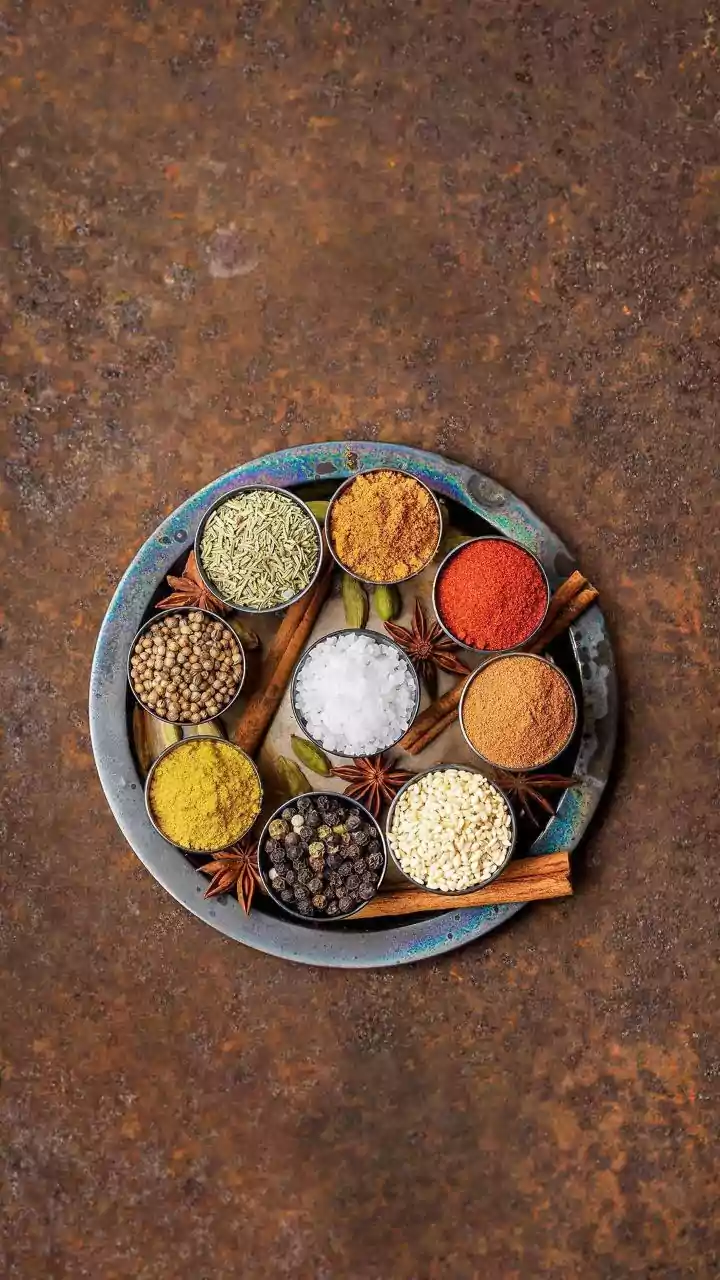



In the world of spices, some are warm, some are fiery, and some are just plain magic. Meet sumac, the vibrant, deep-red spice that can instantly brighten meat-free dishes with its tangy, lemon-like zing, minus the extra liquid.
What is Sumac?
Sumac is a coarse powder
made from the dried berries of the Rhus coriaria shrub, which is native to the Middle East and Mediterranean regions. Its name comes from the Arabic word 'summaq', meaning 'dark red', a nod to its beautiful, rich colour. This versatile spice has been used for centuries, long before lemons were widely available in the region, to add a sour taste to food. It’s a staple in Levantine cuisine and a key ingredient in the popular spice blend za'atar. It's important to note that the culinary variety is completely safe to eat and unrelated to the poison sumac plant found in North America.
A Tangy, Complex Flavour
The primary flavour of sumac is a bright, tart acidity, often compared to lemon. However, it's more complex than simple sourness. Sumac has a slightly fruity, earthy, and even subtly smoky taste that is less harsh than lemon juice or vinegar. For many Indian home cooks, the flavour profile might seem familiar, sharing a 'dry sourness' with amchur (dried mango powder). While amchur is fruitier and paler, sumac offers a deeper, more astringent, and lemony tang, making it a unique but relatable addition to the spice rack. This dry form of acidity is its secret weapon; it can brighten a dish without making it watery.
Why It Shines in Vegetarian Cooking
Sumac's ability to cut through richness and add a refreshing lift makes it a perfect partner for vegetarian ingredients. Its acidity balances the earthy flavours of legumes like chickpeas and lentils, making them feel lighter and more vibrant. In a simple chickpea salad, for example, massaging sumac into sliced onions tames their sharpness and infuses the entire dish with a tangy flavour. It does the same for roasted vegetables, providing a delightful contrast to their caramelised sweetness. It can also elevate dairy, offering a pleasant tang when stirred into yogurt to make a quick dip or sprinkled over soft paneer before grilling.
Beyond the Chickpea Salad
While exceptional in salads, sumac's uses are incredibly broad. Think of it as a finishing spice, like a squeeze of lime or a sprinkle of chaat masala. Try tossing it with roasted potatoes, carrots, or cauliflower right after they come out of the oven. A pinch can liven up a simple dal or lentil soup, added just before serving. It makes a fantastic dry rub for paneer, tofu, or mushrooms, mixed with garlic powder and herbs before pan-frying or grilling. You can even get creative by mixing it into tahini-based sauces for pasta or drizzling it over hummus and avocado toast for a pop of colour and flavour.
How to Buy and Store
When buying sumac, look for a vibrant, deep reddish-purple colour and a slightly moist, coarse texture. If it looks brownish and dusty, it's likely old and has lost much of its flavour. Some lower-quality blends may have salt added, so it's a good idea to check the ingredients list. To keep it fresh, store sumac in an airtight container in a cool, dark cupboard away from heat and light. It should retain its signature tanginess for about a year before it starts to fade.