





A Gift from Halley's Comet
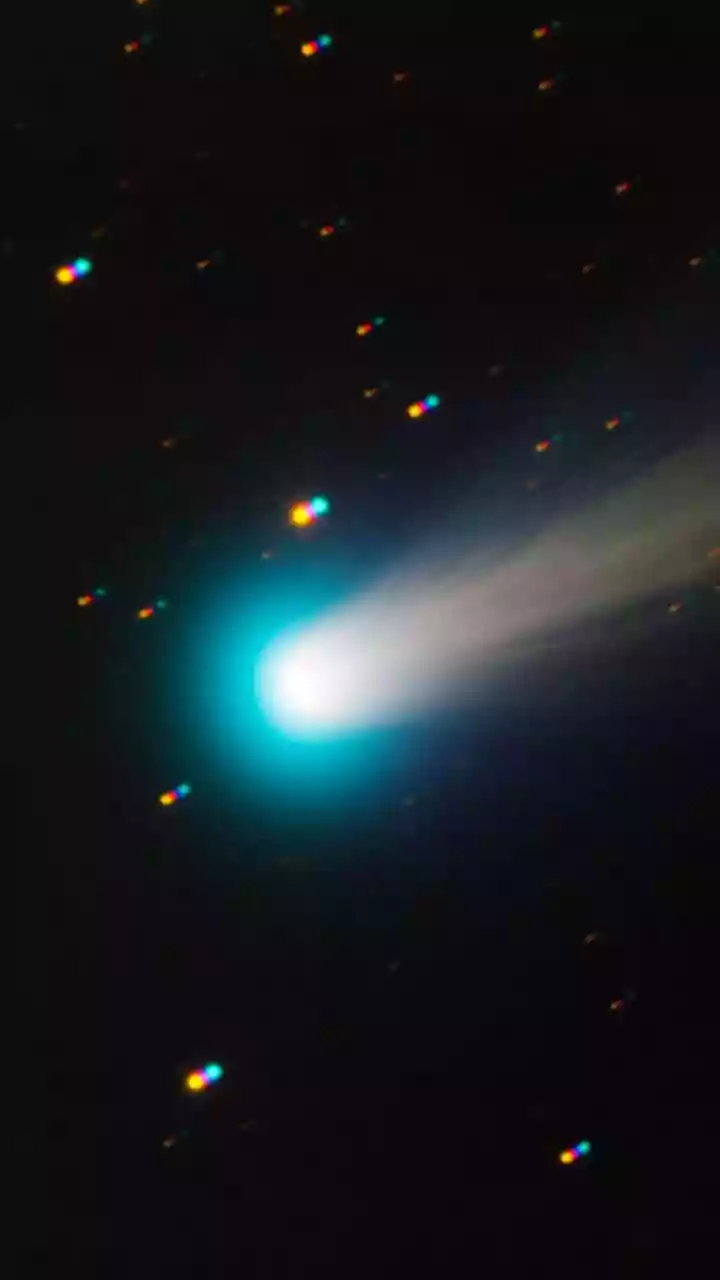
The Orionid meteor shower is an annual event that occurs when Earth passes through the trail of cosmic dust and debris left behind by Comet 1P/Halley, arguably the most famous comet in history. While the comet itself only visits the inner solar system
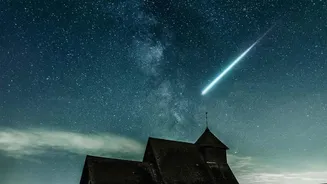
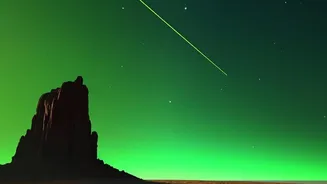
once every 76 years—its last appearance was in 1986 and its next will be in 2061—it leaves behind two yearly gifts for us. The Orionids in October and the Eta Aquarids in May are both born from this same stream of cometary particles. When these tiny pieces of rock and ice, often no bigger than a grain of sand, hit our atmosphere at tremendous speed—about 66 kilometres per second—they burn up, creating the spectacular streaks of light we call meteors or shooting stars.
Peak Viewing Dates and Times
Mark your calendars for the night of October 21st and the early morning of October 22nd. This is when the Orionid shower is predicted to reach its peak activity in 2026. While the shower is active from early October to early November, the number of meteors will be highest during this peak window. The key time for viewing in India will be in the pre-dawn hours. The main challenge this year is a bright waxing gibbous Moon, which will be present in the sky during the evening and first half of the night. However, the Moon is expected to set around 3 a.m. local time. This creates a perfect, dark window of opportunity between roughly 3 a.m. and the first light of dawn (around 5 a.m. to 5:30 a.m.) to catch the show.
What to Expect in the Sky
Under ideal conditions—a dark, clear sky far from city lights—the Orionids can produce around 15 to 25 meteors per hour during their peak. The shower gets its name because the meteors appear to radiate from a point in the constellation Orion, which will be rising in the east after midnight. You can use the three bright stars of Orion's belt as a guidepost. However, you don't need to stare directly at the radiant. In fact, it's better not to. The meteors will appear all across the sky, and those seen further from the radiant point will have longer, more spectacular trails. Orionids are known for their speed and brightness, and about half of them can leave behind glowing trails, called persistent trains, that can linger for a few seconds after the meteor has vanished.
Your Viewing Checklist
To make the most of this celestial event, preparation is key. First and foremost, get away from city lights. The light pollution from cities like Delhi, Mumbai, Bengaluru, or Chennai will wash out all but the very brightest meteors. A drive of 50-100 kilometres to a rural or semi-rural location will dramatically increase your chances of a good show. Second, you don't need any special equipment. Telescopes and binoculars have a narrow field of view, making them unsuitable for catching the random, fleeting streaks of a meteor shower. Your eyes are the best tool for the job. Find a safe, open area where you can lie back on a blanket or a reclining chair and look straight up, taking in as much of the sky as possible. Finally, be patient. It takes about 20-30 minutes for your eyes to fully adapt to the darkness, so avoid looking at your phone's bright screen.