




The End of 'No Days Off'
Remember when every workout had to leave you in a puddle of sweat to feel worthwhile? That era of glorifying extreme effort and skipping rest days is finally fading. For a long time, fitness culture equated exhaustion with progress, promoting a 'hustle'
mentality that often led to burnout, injury, and plateaued results. The problem, experts now widely agree, isn't necessarily overtraining, but a more common issue: under-recovering. Many people, from casual gym-goers to dedicated athletes, simply weren't giving their bodies the resources needed to adapt to the stress of exercise. This growing awareness has sparked a revolution, placing recovery at the heart of what it means to be truly fit.
What 'Recovery' Really Means
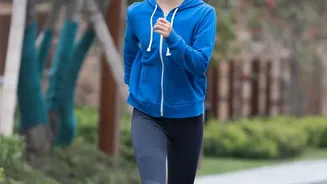
The new recovery trend isn't about being lazy; it's an active, intentional practice. It’s the simple but profound understanding that you don't get stronger during the workout, but in the period of rest that follows. Exercise creates micro-tears in muscles and stresses the nervous system; recovery is when the body repairs that tissue, replenishes energy, and rebuilds itself to be more resilient. This modern approach treats rest as a vital component of training. It encompasses 'active recovery'—low-intensity movement like walking, swimming, or yoga on off-days—which helps increase blood flow, deliver nutrients to muscles, and reduce soreness. It also includes a holistic focus on sleep quality, stress management, and nutrition.
Why the Shift Is Happening Now
Several factors are driving this change. The first is the rise of wearable technology. Devices from brands like Whoop, Oura, and Garmin now provide users with tangible data on their sleep quality, heart rate variability (HRV), and daily strain. This has made the invisible process of recovery visible and measurable, proving that rest isn't optional for performance. Secondly, there's a broader cultural conversation around mental health and burnout. People are increasingly seeking balance and longevity in their lives, not just short-term intensity. The stress of modern life—from long work hours to constant screen time—adds up, and the body doesn't distinguish between stress from a workout and stress from a deadline.
Your New Recovery Toolkit
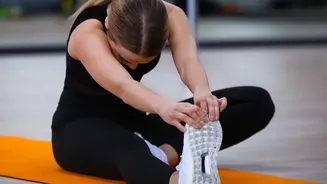
As recovery has gone mainstream, so have the tools to support it. Many of the most effective methods are simple and accessible. High-quality sleep remains the undisputed champion of recovery, as it's when the body does most of its repair work. Active recovery, such as a gentle walk or stretching session, is also crucial for reducing stiffness. Beyond the basics, a whole market of recovery tools has emerged. Foam rollers and massage guns help release muscle tightness. Contrast therapy (alternating between hot and cold, like a sauna and a cold plunge) has become popular for reducing inflammation and improving circulation. Even simple practices like an Epsom salt bath can help relax muscles and soothe stiff joints. The goal isn't to do everything, but to find what works for your body and your routine.