






Understanding the Monsoon Humidity Challenge
During the rainy season, the air outside is saturated with moisture. Simply opening your windows to 'let in fresh air' can often mean inviting more humidity inside. High indoor humidity, ideally kept between 30% and 50%, does more than just make you feel
sticky and uncomfortable. It creates the perfect breeding ground for mould, mildew, and dust mites, which can damage your belongings and negatively affect your health, triggering allergies and respiratory issues. The musty smell that often accompanies the monsoon is a direct result of this excess moisture and potential mould growth. Therefore, ventilating your home requires a strategic approach, not just an open-window policy.
The Golden Hours: Best Times to Open Windows
The key is to ventilate when the outdoor air is drier or cooler than the air inside your home. The best opportunities often come during breaks in the rain when the sun is out. Typically, the afternoon is a good time, as the sun has warmed the air and lowered the relative humidity. Opening your windows during these drier, sunnier periods allows stale, moist indoor air to be replaced with fresher, less humid air. Even a brief window of an hour can make a significant difference. Pay attention to the weather; if a breezy, dry spell follows a downpour, that's your cue to let the air flow.
When to Keep Everything Firmly Shut
It's just as important to know when to keep your home sealed. The most crucial time to keep windows closed is while it's actively raining. Opening them will only let in rain and a huge amount of moisture. Also, avoid ventilating during the early morning hours. Although it might feel cool, the relative humidity is often at its highest point just before sunrise. Similarly, evenings can be deceptively humid. During a prolonged, drizzly week with no sunny breaks, it's often better to keep windows shut and rely on other methods to circulate air and control dampness.
Mastering Cross-Ventilation for Maximum Effect
Effective ventilation is more than just cracking a single window. To truly flush out humid air, you need to create a current. This is achieved through cross-ventilation. The principle is simple: open windows or doors on opposite sides of a room or your house. This allows the breeze to enter from one side, flow through your living space, and exit on the other, taking stale, moist air with it. This airflow not only replaces the air but also enhances thermal comfort by creating a cooling effect on your skin. For this to work best, try to have the outlet opening slightly larger than the inlet to help draw the air through.
Your Indoor Allies: Fans and Exhausts
When the weather outside isn't cooperating, you can still improve airflow indoors. Use your ceiling fans to keep air moving, which helps prevent stagnant pockets where moisture can build up. Your bathroom and kitchen exhaust fans are powerful tools in the fight against humidity. Run the bathroom exhaust during and after a shower and the kitchen chimney or exhaust while cooking to expel steam and moisture directly outside. These actions prevent humidity from spreading to the rest of the house, which is critical when you can't open windows.
Beyond Ventilation: Other Ways to Combat Dampness
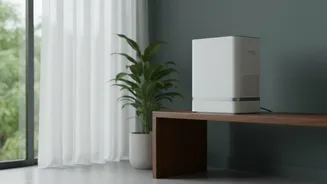
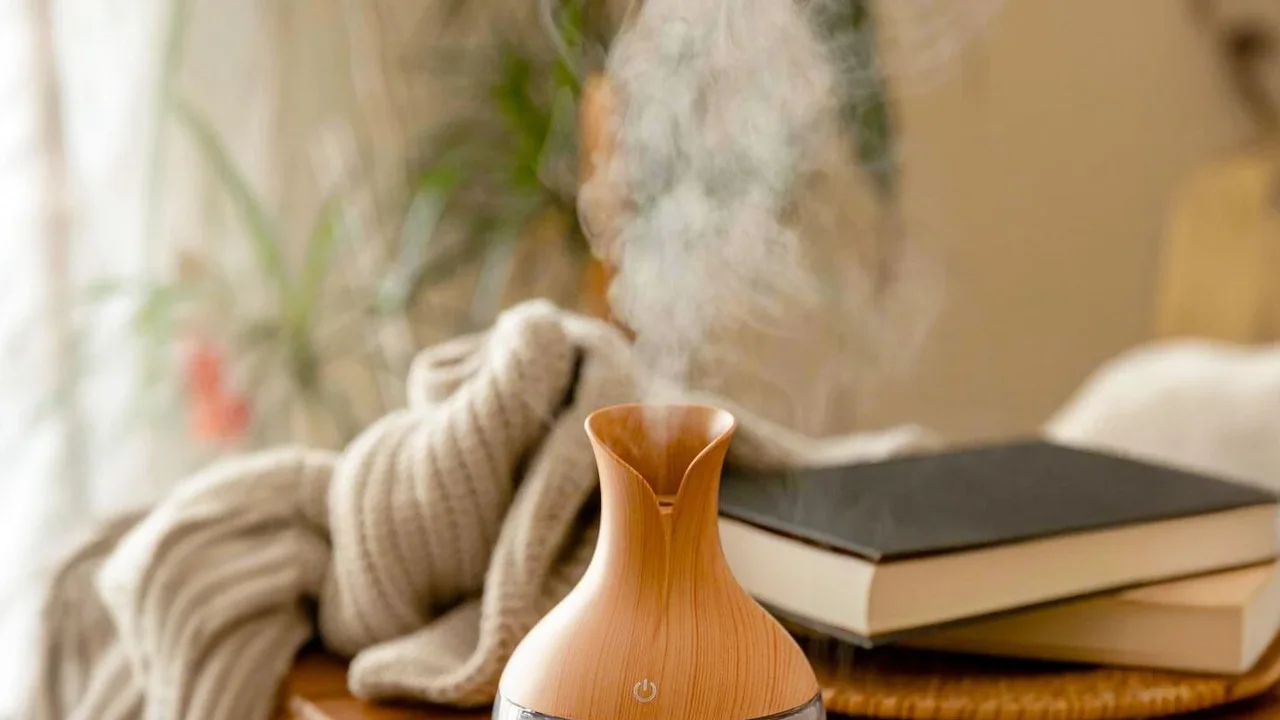
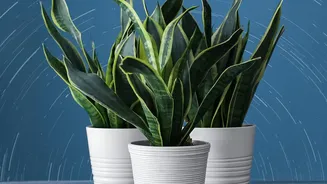
Sometimes, ventilation alone isn't enough. Consider investing in a dehumidifier, especially for very damp rooms or closets. These appliances physically pull moisture out of the air. For smaller, enclosed spaces like wardrobes and cabinets, moisture-absorbing products like silica gel packets, camphor, or even newspaper can be effective at preventing musty smells and mould on your clothes and belongings. Certain indoor plants are also known to absorb some humidity from the air, but be mindful not to overwater them.