






When Is the Monsoon Leaving?
The southwest monsoon doesn't end on a single day but retreats gradually over several weeks. The process typically begins from northwest India in early September and moves southeast, often concluding around mid-October in the southern peninsula. For 2026,
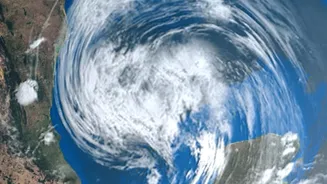
while rains are still active in some central and eastern states, forecasters note that conditions are becoming favourable for the withdrawal to commence from the northwest. Fresh satellite imagery shows significantly reduced cloud cover over large parts of northwest and central India, signalling weakening monsoon activity. However, the India Meteorological Department (IMD) has indicated the formal withdrawal process is expected to begin after September 15. This year's retreat follows an erratic season that has left the country with an overall rainfall deficit.
A Drier, Warmer September Forecast
The IMD has forecast below-normal rainfall for September nationally, potentially at least 9% short of the long-period average. This follows what was reportedly the hottest August since 1901. The outlook for September also includes above-normal maximum temperatures for most of the country. This combination of less rain and more heat is largely attributed to the strengthening El Niño conditions in the Pacific Ocean, which tend to create drier and warmer weather in India. However, the dry spell won't be uniform. Some parts of northwest, northeast, and east-central India may still receive normal to above-normal rainfall, while Peninsular India is expected to remain largely dry.
Impact on Water and Agriculture
The post-monsoon dry spell poses a significant challenge for agriculture. The lack of late-season rain can stress standing Kharif crops that are in their maturing stage and reduce the soil moisture needed for the upcoming Rabi (winter) crop sowing. The overall monsoon deficit has already impacted different regions unevenly. As of early September, national reservoir storage was at about 70.3% of capacity, an improvement from previous weeks but still below the ten-year average in some regions. The Southern Peninsula and the eastern region, in particular, have faced significant rainfall deficits, impacting reservoir levels. In contrast, western and central India have fared better. The situation is critical in some areas like Gujarat's Saurashtra and Kutch regions, which are facing drought-like conditions with severely depleted local reservoirs.
Air Quality and Daily Life
The shift from wet monsoon air to a drier atmosphere has a noticeable effect on daily life, particularly on air quality. Monsoon rains help wash pollutants from the atmosphere, leading to the 'good' air quality days that cities like Delhi occasionally experience during the season. As the rains retreat and humidity drops, this natural cleaning process stops. The subsequent dry conditions, combined with calmer winter winds, often lead to the trapping of pollutants near the ground. This can cause a significant deterioration in air quality, with rising levels of dust and PM2.5 particles, especially in northern and central Indian cities. Experts warn that without the rain to rinse the air, pollution from traffic, industry, and other sources will become more pronounced as winter approaches.