
An Ancient Grain's Comeback
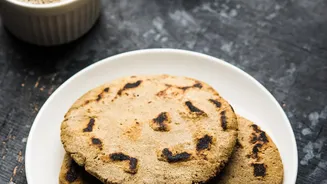
Not long ago, bread in India was mostly a choice between white, brown, or atta. Now, artisanal bakeries are transforming the landscape with everything from focaccia to babka. The latest star on this scene is millet. Grains like ragi (finger millet), jowar
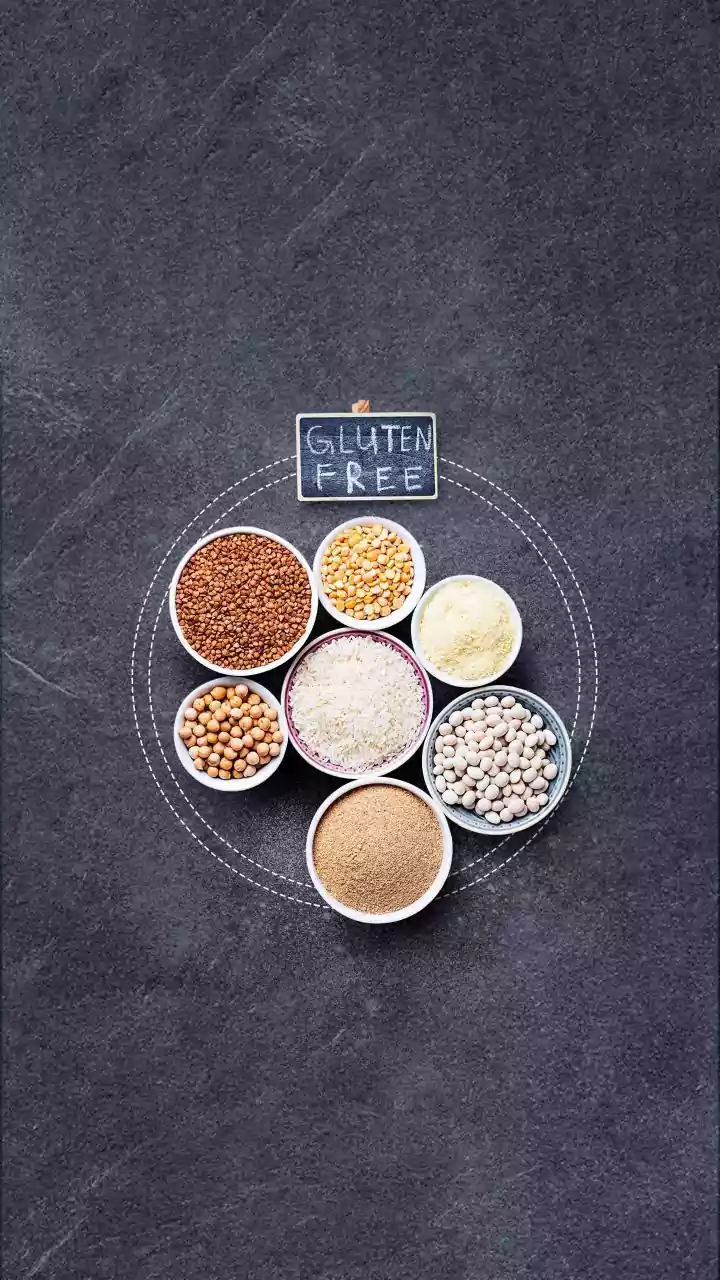
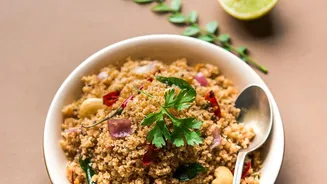
(sorghum), and bajra (pearl millet), once staples of our grandparents' kitchens, are making a huge comeback. This revival is driven by a renewed focus on health and a desire to embrace local, sustainable ingredients. Millets are nutritional powerhouses—naturally gluten-free, rich in fibre, protein, and essential minerals like magnesium and iron. As consumers become more health-conscious, these ancient grains offer a perfect way to add nutrition back into a modern diet, moving beyond wheat to explore India's diverse agricultural heritage.
The Baker's Creative Challenge
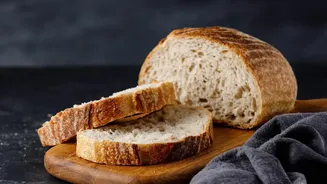
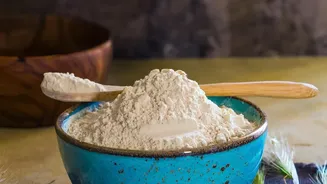
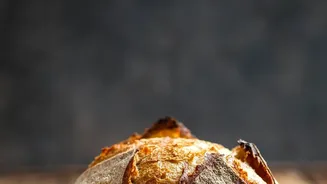
Swapping wheat flour for millet in a sourdough recipe is far from simple. The biggest hurdle is the absence of gluten, the protein that gives traditional bread its elastic structure and allows it to rise. Without it, doughs can be dense and crumbly. This is where the ingenuity of local bakers comes into play. They are not just substituting flour; they are re-engineering the entire process. Many have discovered that using millet flour as a portion of the total flour, often around 25%, adds flavour and nutrition without completely sacrificing texture. To compensate for the lack of gluten, bakers employ clever techniques like using binders such as psyllium husk or flaxseed, which form a gel to help hold the dough together. Others create a 'porridge' with cooked millet to fold into the dough, which adds moisture and creates a wonderfully soft, custardy crumb that also helps the bread stay fresh for longer.
A Symphony of New Flavours and Textures
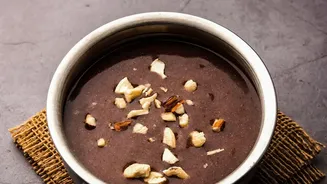
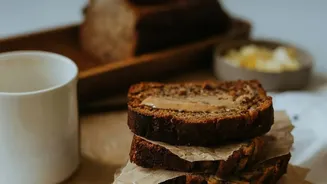
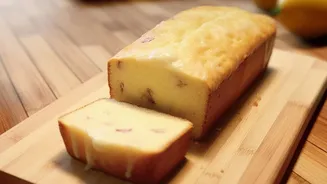
The result of this experimentation is a new category of baked goods that offers a unique sensory experience. Millet sourdoughs often have a deeper, earthier, and slightly nutty flavour that complements the natural tang of the starter. The crumb is typically denser and more moist than a wheat-based loaf, making it incredibly satisfying and perfect for sandwiches. For instance, ragi lends a dark, rich colour and a distinct malty taste, while jowar offers a milder profile. This innovation isn't limited to bread. The same principles are being applied to reinvent biscuits, crackers, and cakes. Millet flours provide a delicate, crumbly texture that is ideal for shortbread-style biscuits, adding a rustic character and a nutritional boost to these sweet treats. Bakers are creating everything from spinach and beetroot sourdough crackers to millet-based cakes and cookies, showcasing the incredible versatility of these grains.
Meet the Millet Pioneers
Across the country, a growing number of artisanal bakers are championing this trend. In Bengaluru, Loafer & Co was founded with a mission to use local grains, creating novel breads by playing with combinations of millets and ancient wheats. Their bestsellers include multigrain-seed loafers packed with millets and seeds. In Hyderabad, other small kitchens focus on 100% whole wheat and ragi breads, finding an eager audience for their preservative-free, healthy loaves. These bakers are part of a larger movement that is making gourmet, healthy bread mainstream. By using native flours, they are not only creating delicious and nutritious products but also supporting local farmers and celebrating India's rich culinary history in every loaf.