


The Building Blocks of Muscle
Protein is essential for the growth and repair of cells and tissues, including muscle mass. When you exercise, you create tiny micro-tears in your muscle fibres. The process of repairing these tears is what makes muscles stronger, a process known as muscle protein
synthesis. This repair job requires a specific set of tools: amino acids, which are the building blocks of protein. Our bodies need 20 different amino acids to function correctly. While some can be produced internally, nine are considered 'essential' because we must get them from our diet. These are the non-negotiable ingredients your body requires to effectively build and repair muscle tissue.
The Complete Protein Puzzle
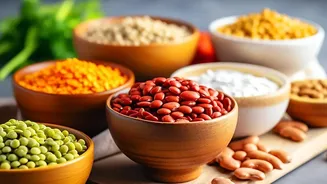
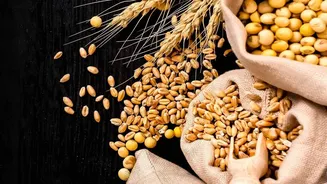
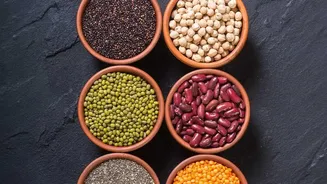
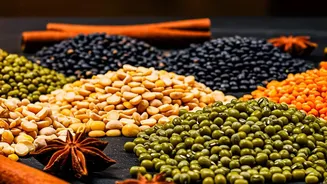
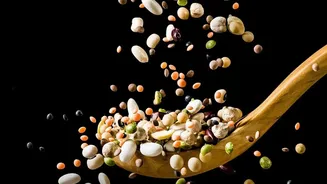
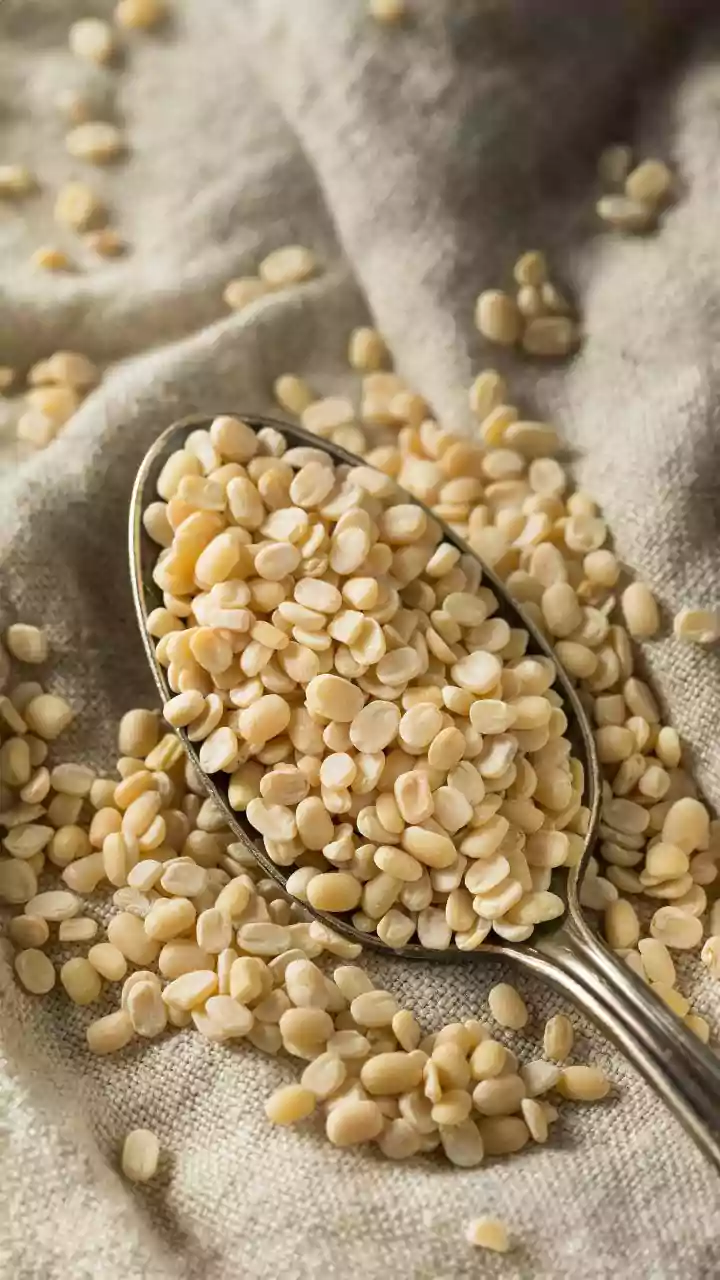
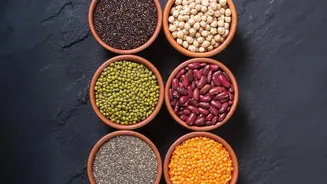
Foods that contain all nine essential amino acids in the right proportions are called 'complete proteins'. Animal products like meat, eggs, and dairy are naturally complete protein sources. Most plant-based foods, however, are 'incomplete', meaning they are low in one or more of these essential amino acids. For example, legumes like beans and lentils are typically rich in the amino acid lysine but low in methionine. Conversely, grains such as rice and wheat are low in lysine but contain methionine. This is not a dietary dead-end, but rather a puzzle. By understanding which pieces are missing, you can strategically combine foods to create a full set.
A Perfect Pairing for Your Plate
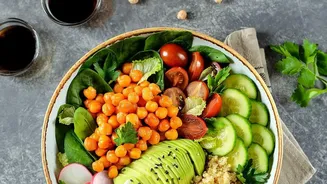
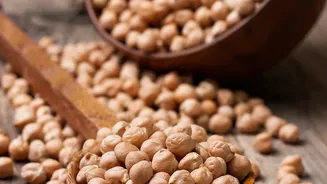
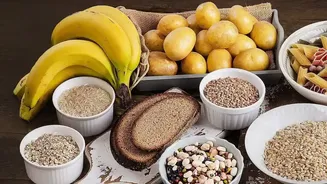
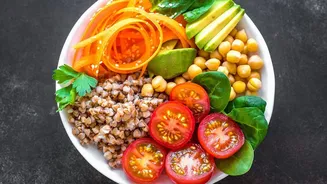
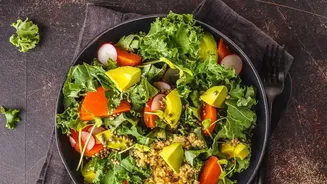
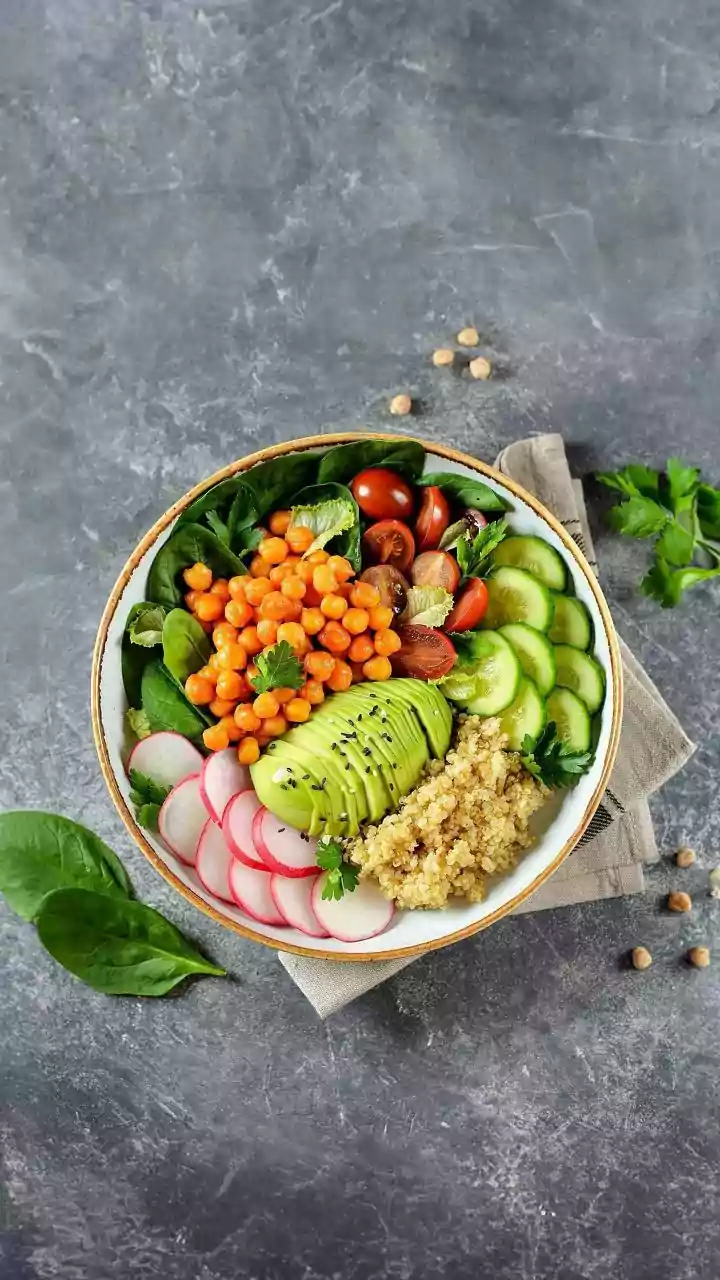
The solution lies in protein combining, a powerful strategy for anyone on a plant-based diet. By pairing foods with complementary amino acid profiles, you can easily create a complete protein source. The classic combination is grains and legumes. When eaten together, the lysine from the legumes compensates for the lack in grains, and the methionine from the grains fills the gap for the legumes. This synergy is at the heart of many traditional Indian meals. Think of dal with rice, or rajma with roti; these aren't just delicious culinary staples, they are nutritionally complete meals that have been powering people for generations. Other effective pairings include hummus (chickpeas) with pita bread (wheat) or a simple peanut butter sandwich on whole-grain bread.
Optimising, Not Just Recovering
So, does this combination truly 'accelerate' recovery? By providing your body with all nine essential amino acids at once, you give it the complete toolkit it needs for muscle protein synthesis to occur efficiently. When your diet lacks a complete amino acid profile, your body's ability to repair and build muscle can be less robust. While research suggests that plant-based proteins can be just as effective as animal-based ones for building muscle, ensuring a complete profile is key. Consuming complementary proteins ensures that your body isn’t held back by a missing link in the chain, allowing your natural recovery processes to function at their best. It's less about a magical speed boost and more about removing the brakes and optimising the entire system for efficient repair and growth.
Do They Need to Be in the Same Meal?
For years, the popular belief was that complementary proteins had to be eaten in the same meal to be effective. However, modern nutritional science has updated this view. Your body maintains a pool of free amino acids that it can draw from throughout the day. This means that as long as you consume a variety of complementary protein sources over the course of a day, your body can piece together what it needs for muscle repair and other functions. That said, for those specifically focused on post-workout recovery, consuming a complete protein meal within a few hours of exercise can be beneficial to kick-start the repair process when your muscles are most receptive. Aiming for 20-40 grams of protein per meal, distributed throughout the day, is a great strategy for athletes.