

The Himalayas have always been a powerful draw for Indian adventurers. But a recent, high-profile helicopter rescue in a remote region of Nepal has cast a spotlight on a critical, and often misunderstood, aspect of trekking: permits.
An Expensive Rescue Mission
In early November
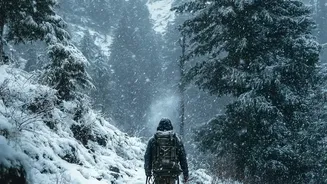
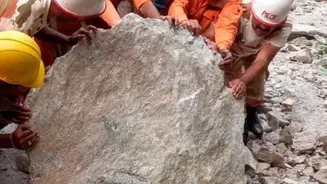
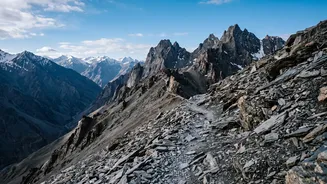
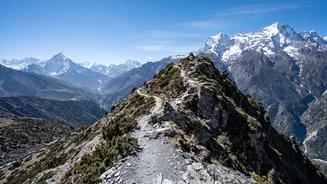
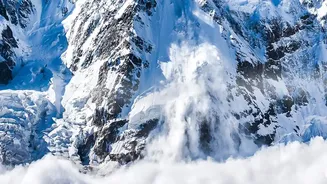
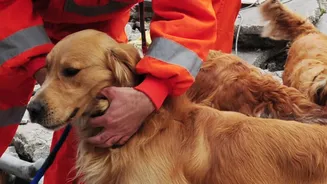
2026, six Indian trekkers were rescued by helicopter from the remote Upper Dolpa region of Nepal after being stranded in heavy snowfall. The group, which included two women, had lost contact on October 31 after becoming trapped at an altitude of around 4,500 metres near the Numala-Bungla pass. A porter with the group managed to reach a village to raise the alarm, triggering a large-scale rescue operation coordinated by Nepal's disaster management authority that cost an estimated one million rupees. Officials stated that an army helicopter initially failed to land due to bad weather before a private helicopter successfully evacuated the hikers.
Permits, Rules, and Penalties
The incident drew significant attention because authorities said the group had entered a restricted area without the necessary permits and had also ignored weather warnings. The district administration had specifically cautioned against entering high-altitude areas ahead of Cyclone Arnab, which brought heavy rain and snow to the region. Officials reported that the trekkers deliberately used alternative routes to avoid administrative checkpoints. Consequently, after their rescue, the hikers were fined for their violations. Foreigners entering the restricted Upper Dolpa area without a permit face a standard fine, though authorities reportedly reduced the penalty in this case.
Understanding Nepal's Permit System
For many Indian tourists, the rules can be confusing. While Indian citizens do not need a visa to enter Nepal under the 1950 friendship treaty, this does not mean all travel is unregulated. Trekking is a different matter. Nepal has a multi-layered permit system to manage tourism, ensure safety, and protect its natural environments. Most popular treks require a Trekkers' Information Management System (TIMS) card and a National Park or Conservation Area permit. For SAARC nationals, the TIMS card costs NPR 1,000, which is half the price for other foreigners. National park fees are also often discounted for SAARC citizens.
The Deal with Restricted Areas
The scrutiny in this case stems from the trekkers entering a 'Restricted Area'. Regions like Upper Dolpa, Upper Mustang, and Manaslu are subject to tighter controls due to their sensitive ecosystems and proximity to international borders. Entry requires a Restricted Area Permit (RAP), which is considerably more expensive and, until a rule change in March 2026, required a minimum of two trekkers. A licensed guide has been mandatory for most treks since April 2023, a rule designed to enhance safety and prevent trekkers from getting lost or underestimating conditions. The Dolpa incident highlights the serious consequences of bypassing these specific, highstaked regulations.
A Balancing Act for Tourism
This event underscores the delicate balance Nepal must strike. Indian tourists are a vital part of its tourism economy, but authorities are increasingly focused on ensuring safety and compliance. Incidents where rules are flouted not only put individuals at risk but also trigger expensive rescue operations and strain local resources. The Nepal Tourism Board has clarified that there are no new restrictions specifically targeting Indian visitors; the permit rules apply to all foreigners, with some fee considerations for SAARC nationals. The core message from authorities is clear: trekking in the Himalayas is an accessible dream, but one that requires careful planning, respect for local regulations, and an honest assessment of the risks involved.