







The New Face of the Monsoon
The monsoon is no longer the predictable lifeblood it once was. Scientists observe a worrying trend: fewer rainy days overall, but when it does rain, it's often in short, ferocious bursts. This pattern of long dry spells punctuated by extreme downpours
is becoming the new normal across many parts of the country. Climate experts link this erratic behaviour to a combination of global warming and recurrent weather patterns like El Niño, which fundamentally alters the behaviour of the Indian monsoon. For forests, which have evolved over centuries in tune with specific rainfall cycles, this volatility is a severe shock to the system.
From Deluge to Drought: A Dual Threat
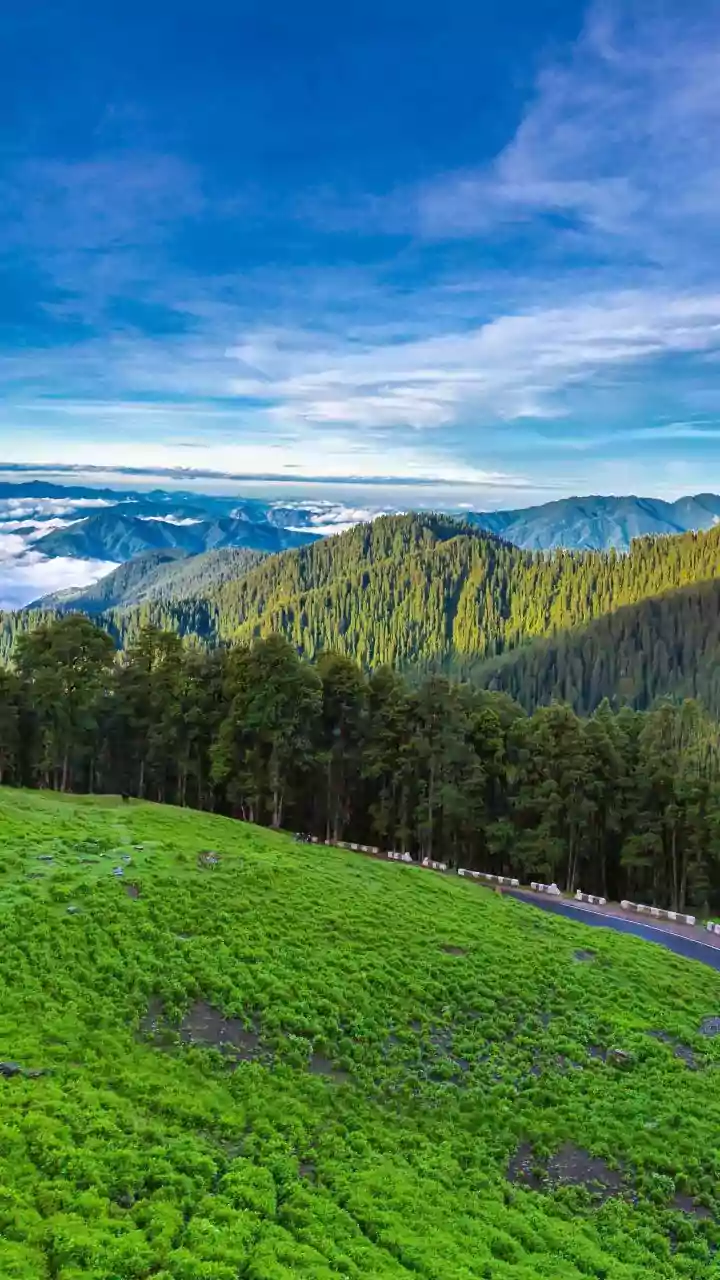
The new rainfall pattern presents a two-pronged attack on forest health. Intense deluges overwhelm the landscape, causing severe soil erosion and washing away vital nutrients that trees need to thrive. In hilly regions like the Himalayas and the Western Ghats, this can trigger devastating landslides, uprooting entire sections of forest. Conversely, the increasingly prolonged dry periods between these rains create tinderbox conditions. As temperatures rise and moisture levels drop, the risk of forest fires skyrockets. Studies show that a significant portion of India's forests, particularly in central India, are now highly vulnerable to fires, which destroy biodiversity, degrade habitats, and release massive amounts of carbon into the atmosphere.
A Silent Transformation
Beyond the immediate drama of floods and fires, a slower, more insidious change is underway. Different tree species have different tolerances for water. As rainfall patterns shift, some traditionally dominant species are struggling to survive, while others, sometimes invasive ones like Lantana, are taking over. Research in protected areas like the Panchmarhi Biosphere Reserve in Madhya Pradesh shows significant loss of forest cover over decades, with dry deciduous forests being particularly vulnerable. This alters the very character of the forest, affecting everything from its ability to store carbon to the types of animals it can support. This change in forest composition, or phenology, also impacts the forest's overall productivity and its resilience to future climate shocks.
The Ripple Effect on Wildlife and Livelihoods
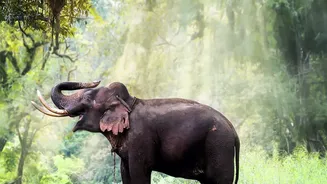
India's forests are not just collections of trees; they are vibrant ecosystems that support a staggering array of wildlife and provide livelihoods for millions of people. As forests change, so do the fortunes of those who depend on them. Animals, from elephants to migratory birds, find their ancient routes and cycles disrupted as food and water sources become unpredictable. For forest-dwelling communities, who rely on non-timber forest products for sustenance and income, the degradation of forests poses a direct threat to their way of life. The loss of specific plant species or changes in fruiting and flowering times can have severe economic and social consequences.
Building Resilient Forests
The challenge is immense, but not insurmountable. Conservation efforts are shifting towards building resilience. This includes promoting mixed-species plantations instead of monocultures, which are more susceptible to pests and climate stress. Other strategies involve creating and maintaining firebreaks to control the spread of wildfires and undertaking assisted migration of certain plant species to more suitable areas. Crucially, there is growing recognition that local communities and their traditional knowledge are vital for effective forest management. Empowering these communities to manage and protect their local forests is seen as one of the most effective pathways to ensuring the long-term health of these critical ecosystems.