




The Allure of the Cereal Box
The modern Indian kitchen is often a battleground between convenience and tradition, and nowhere is this more apparent than at the breakfast table. Packaged cereals have positioned themselves as the quick, nutritious answer for busy mornings. With promises
of 'whole grains', 'added vitamins', and 'high fibre', they appeal to health-conscious consumers trying to do the right thing. The imagery is powerful: a vibrant bowl that’s ready in seconds, supposedly packed with everything you need to conquer the day. However, this convenience often comes at a hidden cost. Many popular cereals are made from refined grains, not whole ones, and can contain significant amounts of added sugar and sodium.
Unpacking the 'High-Fibre' Myth
Fibre is crucial for digestive health, blood sugar regulation, and staying full longer. Health experts in India recommend a daily intake of 25 to 30 grams, but many urban populations consume only about half that amount. While cereal boxes often highlight their fibre content, the reality can be disappointing. Many popular products like cornflakes are made from milled grains, which strips away the most nutritious parts, including the fibre-rich bran. What’s left is a product high in fast-digesting carbohydrates. Even when fibre is added back, it may not provide the same benefits as the naturally occurring fibre found in whole foods. A single serving of some cereals may offer only 3-4 grams of fibre, a small fraction of your daily need.
Rediscovering India's Breakfast Champions
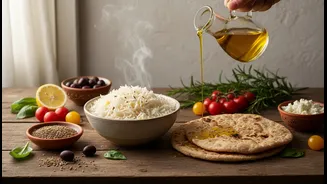
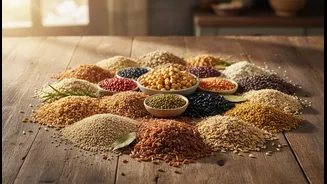
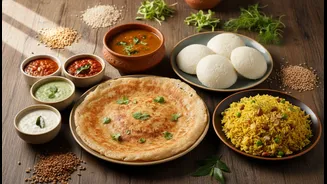
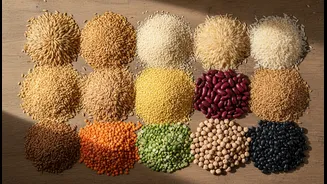
The good news is that a genuinely high-fibre breakfast doesn't require a trip down the supermarket cereal aisle. India's diverse culinary heritage is built on whole grains, lentils, and millets that are naturally packed with nutrients. Traditional breakfasts like poha, upma, and idli were not designed by marketing teams but have been nourishing generations. These meals offer a balanced mix of complex carbohydrates for sustained energy, protein from dals, and healthy fats from additions like peanuts and coconut. Spices like turmeric and curry leaves add antioxidant and anti-inflammatory properties, making these meals much more than just a source of calories.
Your Morning Power Players
Let's look at a few traditional options that easily outperform a bowl of sugary flakes. A moong dal chilla, a savoury pancake made from split green gram, is an excellent source of both plant protein and dietary fibre, keeping you fuller for longer. Similarly, besan chilla, made from chickpea flour, has a low glycaemic index, which helps in managing blood sugar levels. Millets like ragi (finger millet) and jowar (sorghum) are nutritional powerhouses. Ragi is exceptionally high in calcium and fibre, making it great for bone health. Even a simple vegetable poha, when prepared with additions like peas and peanuts, becomes a balanced meal providing fibre, protein, and iron.
Making Tradition Work for You
The primary advantage of packaged cereal is speed, but with a little planning, traditional breakfasts can be just as convenient. Chopping vegetables for upma or poha the night before can save precious minutes in the morning. Batters for idli, dosa, or chilla can be prepared over the weekend and stored in the fridge for several days. Even better, many of these dishes can be made in larger batches and reheated. The key is to shift the mindset from seeing traditional cooking as a chore to viewing it as an investment in your long-term health. By embracing these time-tested recipes, you choose wholesome, unprocessed ingredients over industrial formulations.