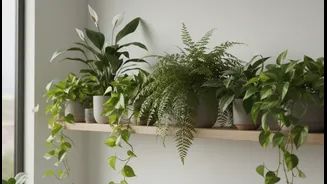







Understanding Monsoon Plant Care
The Indian rainy season creates a specific environment for indoor plants: high humidity, reduced sunlight, and a higher risk of water-related issues. While the moist air is beneficial for many tropical plants, the constant dampness can lead to problems
like root rot and fungal diseases if not managed correctly. The main challenges are overwatering, as the soil takes longer to dry, and providing adequate light on persistently cloudy days. Success lies in choosing the right plants and adjusting your care routine. Good drainage is non-negotiable; ensure every pot has holes and consider lifting them on bricks or stands to prevent water from stagnating.
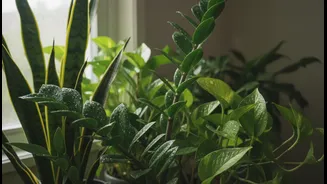
Snake Plant (Sansevieria trifasciata)
Often called one of the toughest houseplants, the Snake Plant is perfect for the monsoon. It tolerates low light exceptionally well and is highly susceptible to overwatering, making it ideal for a season where you should water less. Its upright, architectural leaves add a modern touch to any room. During the monsoon, water only when the top few inches of soil are completely dry. Its roots are prone to rot in soggy soil, so it's better to err on the side of caution. As a bonus, it is an excellent air purifier, known to remove toxins from the air even at night.
ZZ Plant (Zamioculcas zamiifolia)
The ZZ Plant is another nearly indestructible option that thrives on neglect, a useful trait during the humid monsoon. With glossy, dark green leaves, it handles low light with ease and is extremely drought-tolerant because it stores water in its underground rhizomes. This makes it very forgiving if you're trying to avoid overwatering. During the rainy season, reduce watering frequency significantly. Its robust root system is resilient but will suffer in waterlogged soil. Dust its leaves occasionally to keep them shiny and able to absorb the limited available light.
Money Plant (Epipremnum aureum)
A staple in many Indian homes, the Money Plant, or Pothos, loves the high humidity of the monsoon. This fast-growing vine is incredibly versatile and can withstand the fluctuating weather conditions of the season. It grows well in low light, although its variegation might be less pronounced. Money plants are less prone to rotting in humid weather, but you should still ensure the soil is not perpetually soggy. The monsoon is also an excellent time to propagate this plant; cuttings root easily in the humid air.
Peace Lily (Spathiphyllum)
Peace Lilies are a fantastic choice for the rainy season as they naturally thrive in high humidity and lower light conditions. The increased moisture in the air helps keep their lush green leaves healthy and can even encourage their elegant white flowers to bloom. While they prefer consistently moist soil, proper drainage is crucial to prevent root rot. Water when the top inch of soil feels dry, but be mindful that this will happen less frequently during the monsoon. They are also celebrated for their air-purifying abilities.
Areca Palm (Dypsis lutescens)
To bring a tropical feel indoors during the grey monsoon days, the Areca Palm is an excellent choice. It loves a humid environment and its feathery fronds can make indoor spaces feel more vibrant. These plants appreciate the higher moisture levels in the air during the rains. However, like most indoor plants, they require well-draining soil to avoid waterlogging. Place it in a spot with bright, indirect light and wipe the leaves occasionally to keep them dust-free and healthy.
General Monsoon Care Tips
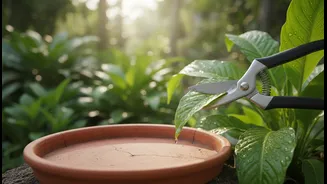
Beyond selecting the right species, a few adjustments to your routine are key. Always check the soil before watering; stick your finger an inch or two deep to see if it's dry. Improve air circulation by opening a window or using a fan to help prevent fungal growth on leaves and soil. Pruning is also beneficial during this season; trimming overgrown or dead foliage improves airflow and encourages fresh, healthy growth. Finally, keep an eye out for common monsoon pests like fungus gnats and mealybugs, which are attracted to damp conditions.