







The Great Monsoon Pause
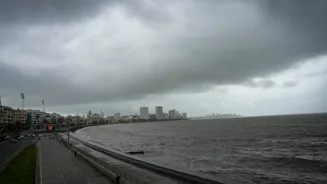
The much-anticipated annual monsoon, which made a robust entry over Kerala ahead of schedule, has now entered a frustratingly weak phase. Meteorologists and weather enthusiasts—the modern-day 'monsoon chasers'—have noted a significant slowdown. The Northern
Limit of Monsoon (NLM), an imaginary line that tracks its progress, has remained static for over a week, hovering over areas in Maharashtra, Chhattisgarh, and parts of Odisha. This stagnation means states like Madhya Pradesh, Uttar Pradesh, and Bihar, which were next in line, are experiencing a prolonged, humid wait instead of receiving their first showers. This halt has led to a rainfall deficit in several regions that had been expecting the monsoon's arrival, turning initial optimism into growing concern.
What is a 'Monsoon Break'?
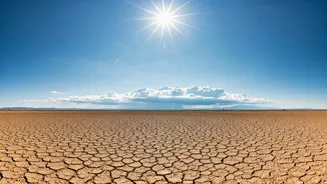
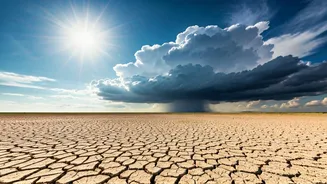
A 'break' in the monsoon is a well-known, if unwelcome, meteorological phenomenon. It refers to a period of several days during the four-month season when rainfall activity significantly reduces over the Indian mainland. During a break, the monsoon trough—a low-pressure belt that is the backbone of monsoon rainfall—shifts northwards to the foothills of the Himalayas. This causes heavy rain in the northeastern states and the Himalayan foothills but leads to dry, hot conditions across the vast plains of north and central India. While short breaks are a normal part of the monsoon's rhythm, a prolonged halt, especially so early in the season, can disrupt the entire system. It’s not a withdrawal of the monsoon, but a temporary, and often costly, suspension of service.
The Science Behind the Stall
So, what hit the brakes on this year's monsoon? According to the India Meteorological Department (IMD) and other weather models, the primary culprit is the absence of a strong weather system to pull the monsoon current northward. A healthy monsoon needs a strong low-pressure area or a cyclonic circulation over the Bay of Bengal or the Arabian Sea to act like an engine, drawing the moisture-laden winds inland. Currently, such systems are absent. Furthermore, some experts point to the influence of passing western disturbances, which can disrupt the monsoon's flow. Without these driving forces, the monsoon simply lacks the momentum to push further into the heartland of the country, leaving it idling at the gates.
Impact on Agriculture and Beyond
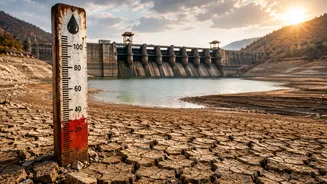
The timing of this break is critical. This is the peak period for the sowing of Kharif crops like rice, soybean, and cotton, which are heavily dependent on the first monsoon rains. The delay is causing immense anxiety among farmers who have already prepared their fields. A prolonged dry spell can ruin freshly sown seeds, forcing them to re-sow and incur additional costs. Beyond agriculture, the halt impacts water security. Deficient rainfall means lower water levels in reservoirs, which are crucial for drinking water supply, hydroelectric power generation, and irrigation later in the season. The lack of rain also leads to a spike in temperature and humidity in cities, nullifying the brief respite that came with the monsoon's initial advance.
What Happens Next?
All eyes are now on the Bay of Bengal. Forecasters are closely monitoring conditions for the formation of a fresh low-pressure system, which is considered essential to revive the monsoon's nationwide journey. Most weather models predict that the monsoon could start moving again within the next week or so, once favourable conditions develop. The IMD remains optimistic that the season as a whole will bring normal rainfall, suggesting that this lull will eventually be compensated for. However, for the millions of people waiting under clear, hot skies in central India, the revival cannot come soon enough. The monsoon is more than just weather; it's the lifeblood of the subcontinent, and its timely performance is crucial for the nation's well-being.