






Pre-Monsoon Preparedness (May – June)
The months leading up to the monsoon are critical for preventing water-related damage. This is the time to inspect your home's defences against heavy rain. Check all window and door seals for gaps; light passing through is a good indicator that water can
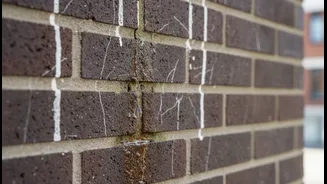
get in too.. Look for cracks in external walls and bubbling paint on interior walls, which can be early signs of seepage issues.. Ensure balcony drains are clear of debris and that water slopes away from your home's entrance.. Test your electrical system's Earth Leakage Circuit Breaker (ELCB) by pressing the 'test' button; it should trip immediately.. If it doesn't, this is a serious safety hazard that needs an electrician's attention before the rains begin. Document any significant issues with dated photos and inform your landlord in writing..
Monsoon Watch (July – September)
Once the rains start, your focus shifts to managing dampness and immediate issues. Keep an eye out for any new damp patches on walls or ceilings, especially after heavy showers.. Good ventilation is your best tool against humidity and the musty smell it brings; open windows for cross-ventilation whenever the rain stops. To prevent mould, consider moving furniture a few inches away from external walls to allow air to circulate.. This is also peak season for pests, so ensure your kitchen is clean and food is stored in airtight containers. Continue to check that drains in bathrooms and balconies are flowing freely to prevent water logging. If you notice any water ingress or persistent dampness, report it to your landlord immediately..
Post-Monsoon & Winter Care (October – January)
As the weather dries, it's time to address any damage the monsoon may have left behind and prepare for the cooler months. This is the ideal time for any painting or deep cleaning, as the lower humidity helps things dry faster. Thoroughly clean and store any heavy rugs or curtains that may have absorbed moisture. Inspect wooden furniture and doors, which can swell with dampness and then contract, sometimes requiring minor adjustments.. In colder regions, check any heating appliances like geysers for proper functioning before winter sets in. Test the geyser's thermostat and pressure release valve. It's also a good time for a general pest control treatment to tackle any critters that may have sought shelter in your home during the rains.
Summer Spruce-Up (February – April)
With summer approaching, the focus turns to cooling and cleaning. The most important task is servicing your air conditioners. Clean the filters monthly, but a professional service before the peak heat arrives will ensure the unit runs efficiently and cools effectively. Check and clean ceiling fans, exhaust fans in kitchens and bathrooms, and any other ventilation systems.. Check all taps and plumbing fixtures for minor drips; a small leak can waste a surprising amount of water and may be a tenant's responsibility to fix.. This is also a great time to deep clean areas like the kitchen, including appliances like the refrigerator and microwave, which work harder in the heat..
Know Your Responsibilities
A common point of friction is understanding who pays for what. According to India's Model Tenancy Act, 2021, the responsibilities are generally split. Landlords are typically responsible for major structural repairs, such as issues with walls, the roof, major plumbing and electrical wiring systems, and waterproofing.. Tenants, on the other hand, are responsible for minor day-to-day maintenance. This includes tasks like changing light bulbs, fixing leaking taps, cleaning, and repairing any damage caused by negligence.. It is crucial to have a clear rent agreement that specifies these duties. Always communicate with your landlord in writing about any major issues and keep a record..