

The Grain Revolution on Your Plate
For decades, the Indian pantry has been dominated by two main grains: rice and wheat, particularly in its highly processed form, maida. From fluffy naans to birthday cakes, refined flour became a symbol of modern convenience. But look closely at supermarket
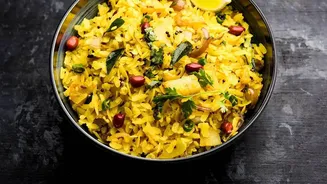
shelves and cafe menus today, and you'll see a different story unfolding. Millet dosas, ragi cookies, jowar pizza bases, and foxtail millet upma are no longer niche health-food items. They are part of a mainstream movement. This resurgence is a return to roots, a rediscovery of grains like bajra (pearl millet), jowar (sorghum), and ragi (finger millet) that were staples across India for millennia before the Green Revolution prioritized high-yield wheat and rice. This shift is driven by a new generation of urban consumers who are more conscious about what they eat, seeking foods that offer both health and heritage.
Why Millets, and Why Now?
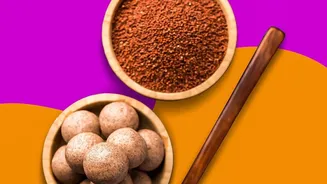
The competition between millets and maida is, at its core, a nutritional mismatch. Maida is produced by stripping wheat of its bran and germ, which removes most of its fibre and nutrients. The result is a simple carbohydrate that can lead to blood sugar spikes and offers little nutritional value. Millets, on the other hand, are nutritional powerhouses. They are typically consumed as whole grains, retaining their rich fibre content, which aids digestion and promotes a feeling of fullness. Many millets have a lower glycemic index, making them a better choice for managing blood sugar levels. They are also naturally gluten-free and packed with essential minerals like iron, calcium, and magnesium. Ragi, for instance, has one of the highest calcium contents of any grain, while bajra is rich in iron. This growing awareness, amplified by government initiatives like the International Year of Millets in 2023, has pushed these grains back into the spotlight.
Beyond Porridge and Roti
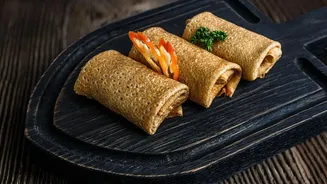
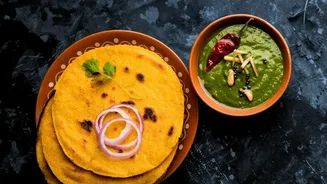
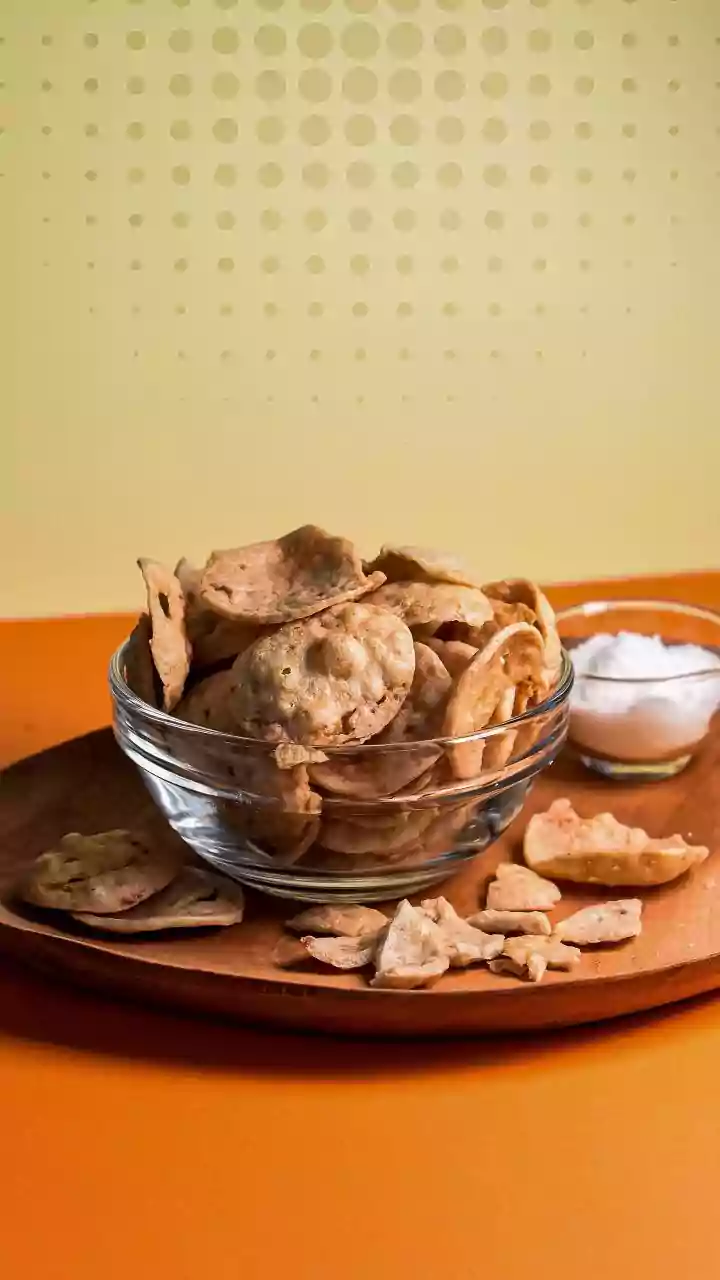
The biggest factor in millet’s modern revival is its culinary versatility. For years, millets were often associated with simple, rural dishes like porridge or dense bhakris. While these traditional preparations are still beloved, today's chefs and home cooks are reimagining what millets can do. You can now find recipes for ragi-based chocolate cakes, millet pasta, jowar-crust pizzas, and even delicate crepes. Brands are creating ready-to-cook mixes for millet idlis, dosas, and upma, making them accessible to busy urban households. This innovation is crucial; it proves that choosing a healthier grain doesn't mean sacrificing flavour or variety. Chefs are demonstrating that millets have unique, nutty flavours and interesting textures that can elevate a dish, moving them far beyond the label of a mere 'health food'.
Making the Switch at Home
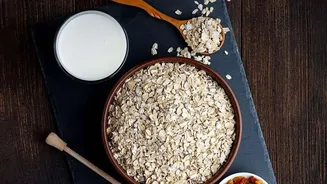
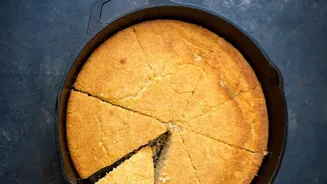
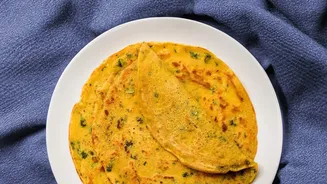
Incorporating millets into your diet doesn't require a complete kitchen overhaul. The easiest way to start is with simple swaps. Instead of your usual rice, try making a pulao with foxtail millet or kodo millet. Another popular method is to blend flours. You can start by replacing 20-30% of the wheat flour in your daily roti dough with jowar or bajra flour. This 'blending' approach allows your palate to adjust gradually without a drastic change in taste or texture. For breakfast, a ragi malt or oatmeal porridge is a nutritious start to the day. Many common recipes can be easily adapted. Millet flours can be used to make everything from pancakes and cheelas to cookies and bread, offering a healthier, nutrient-dense alternative to their refined flour counterparts.