



The Core Question: Investor or Wearer?
The first step is to be honest about why you're buying gold. Is it purely to store wealth and serve as a financial safety net, or is it for adornment, to be worn at celebrations and passed down as an heirloom? If your goal is strictly financial return,
the choice leans heavily towards coins. If you want an asset that you can also enjoy and wear, jewellery is the natural fit. A growing trend shows many Indians are now buying gold primarily as an asset, favouring coins and bars for their straightforward value. This shift doesn't mean less gold is being bought, but that buyers are becoming more specific about its purpose.
Understanding Purity: Why Karats Matter
The purity of gold is measured in karats (K). 24K gold is the purest form, at 99.9% gold, making it soft and ideal for investment products like coins and bars. On the other hand, most gold jewellery in India is made from 22K gold, which contains 91.6% gold mixed with alloys like copper or silver. This addition makes the metal more durable and suitable for crafting into intricate designs that can withstand daily wear. This difference in purity directly affects the price; 24K gold is more expensive per gram because it contains more pure gold. Always look for the Bureau of Indian Standards (BIS) hallmark, which certifies the purity of the gold you are buying. For 22K gold, this is often marked as '916'.
Beyond the Gold Rate: Making Charges and Taxes
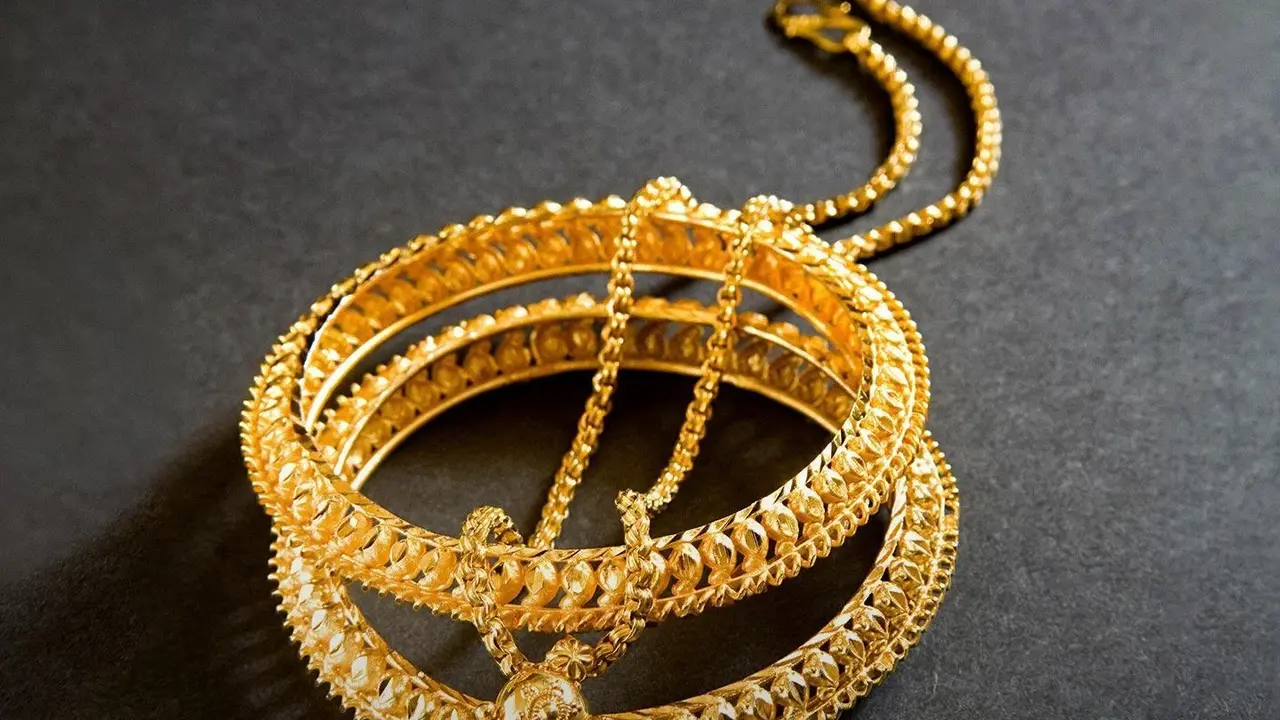
Perhaps the biggest financial difference between coins and jewellery lies in the making charges. These are the fees for the craftsmanship involved in creating the final piece. For gold jewellery, especially with complex designs, making charges can range from 8% to 25% or even more of the gold's value. For machine-made gold coins, these charges are significantly lower, typically between 1% and 4%. This cost is important because you do not get it back when you sell the item. When you sell gold, the buyer only pays for the weight and purity of the metal itself. Additionally, all gold purchases in India attract a 3% Goods and Services Tax (GST) on the value of the gold. For jewellery, there is an additional 5% GST on the making charges, further widening the cost gap.
Thinking of Selling? Liquidity and Resale Value
From a pure investment standpoint, gold coins offer superior resale value. Because they have certified purity (usually 24K) and minimal making charges, you are likely to get a price very close to the market rate for gold on the day you sell. Selling jewellery is a different story. The significant making charges you paid initially are not recoverable. This means jewellery can lose 10-15% or more of its initial purchase price upon resale, just from the loss of making charges. Coins are highly liquid and can be easily sold to jewellers or dealers, whereas some jewellers may be hesitant to buy back jewellery not originally purchased from their store.
The Intangible Asset: Emotional and Cultural Worth
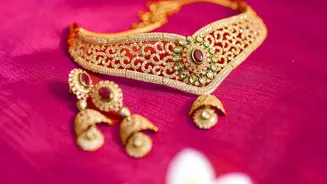
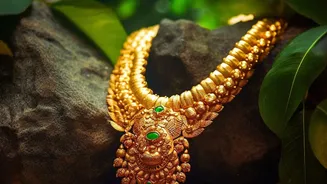
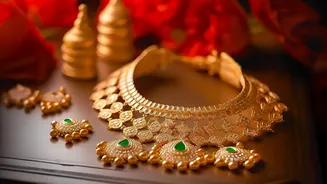
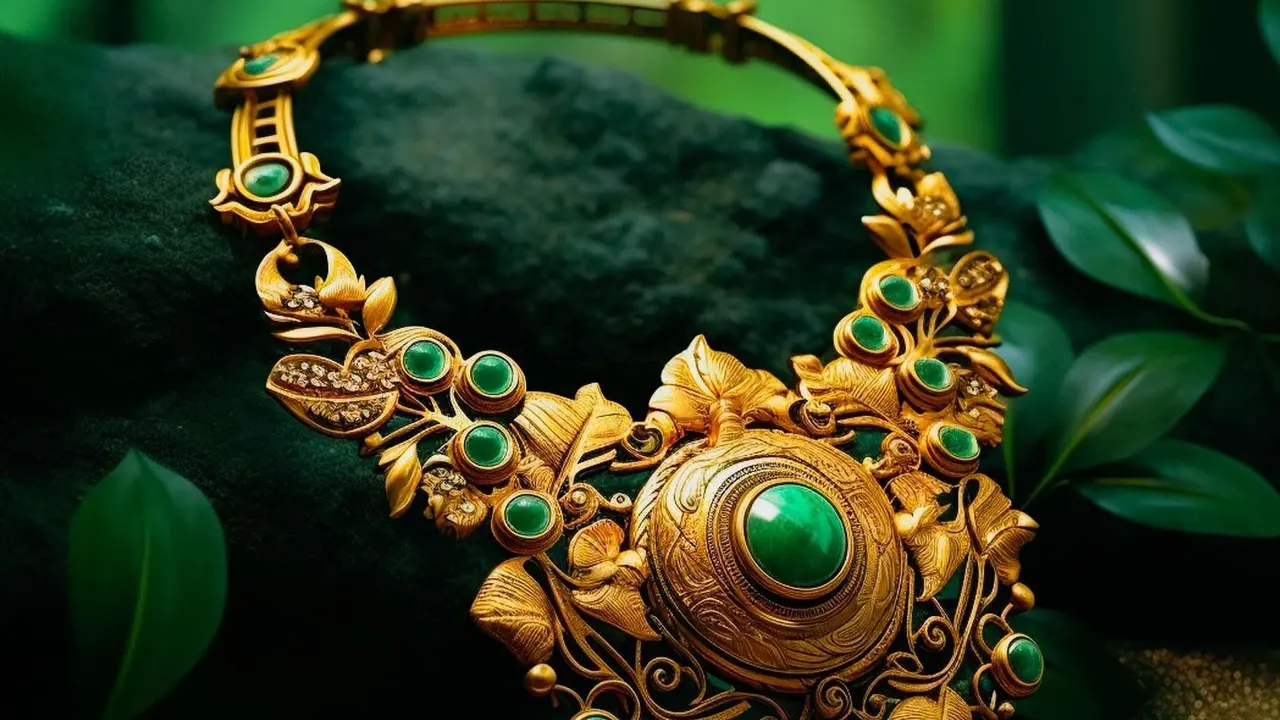
While coins win on almost every financial metric, they cannot compete with the emotional and cultural value of jewellery. Gold jewellery is central to weddings, festivals, and family traditions in India. It serves as a wearable art form, a status symbol, and an heirloom that carries sentimental value through generations. This intangible worth is something a gold coin sitting in a locker can never replicate. For many, the joy of wearing a beautiful piece of jewellery and the cultural significance it holds far outweighs the lower financial returns compared to a coin. The decision, therefore, is not just about money, but about the role you want the gold to play in your life.