





The Modern Malaise of Burnout
India's millennial and Gen Z workforce is facing a burnout crisis. Characterised by long hours, the pressure to succeed, and digital connectivity that has erased the line between office and home, chronic stress has become the norm. A 2022 Deloitte report
noted that a staggering 80% of Indian professionals reported mental health issues, with symptoms like emotional exhaustion, anxiety, and sleep problems becoming increasingly common. For a generation raised on the mantra of 'work is worship', the relentless hustle often leads to a state of being constantly drained, emotionally detached, and questioning their career paths. This isn't just fatigue; it's a deep-seated exhaustion that a weekend break can no longer fix.
An Ancient Answer to a Modern Problem
In search of an authentic reset, many are turning to an age-old tradition: Kerala's monsoon Ayurveda. Known as Karkidaka Chikitsa, this is a special regimen practiced during the Malayalam month of Karkidakam (typically July-August). According to Ayurvedic principles, the monsoon season is the ideal time for rejuvenation. The air is cool, humid, and dust-free, which helps open up the body's pores and makes it more receptive to medicinal oils and therapies. During this period, the body's digestive fire is considered weak, making it a prime time for detoxification to cleanse accumulated toxins and rebalance the body's core energies, or doshas.
A Day in a Monsoon Detox
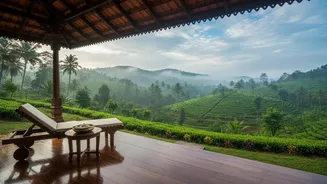
The experience at a traditional outpost is a world away from a typical vacation. Days are structured around a gentle, healing rhythm dictated by ancient science, not a smartphone. A typical day starts early with gentle yoga and breathwork (pranayama) to calm the nervous system. The diet is a crucial part of the detox—simple, warm, vegetarian meals that are easy to digest. A highlight is the Karkidaka Kanji, a medicinal rice porridge cooked with a dozen or more herbs to boost immunity and aid digestion. The core of the day is dedicated to personalised treatments prescribed by an Ayurvedic physician. This isn't a generic spa menu; it is a therapeutic journey.
Beyond the Massage Table
The treatments are profound and purpose-driven. Abhyanga, a rhythmic full-body massage with warm medicated oil, works to calm frayed nerves and improve circulation. This is often followed by Swedana, where the individual sits in an herbal steam bath to help release toxins through the skin. Perhaps the most iconic therapy is Shirodhara, a continuous, gentle stream of warm oil poured onto the forehead, a process known to induce a state of deep, meditative calm and combat stress, anxiety, and insomnia. The goal is not just to relax the muscles, but to cleanse the body from the inside out and restore mental clarity.
The Appeal of Authentic Disconnection
For millennials, the appeal of these outposts lies in their authenticity and holistic approach. In a world of fleeting digital trends, the 5,000-year-old tradition of Ayurveda offers a sense of grounding and timeless wisdom. These retreats enforce a much-needed digital detox. With limited Wi-Fi and a schedule focused on inner well-being, guests are encouraged to disconnect from their work lives and reconnect with themselves. It's about surrendering control, trusting in an ancient process, and allowing the body and mind the space they need to heal. It's a shift from seeking external validation to cultivating internal balance, a core need for a generation navigating high-pressure environments.