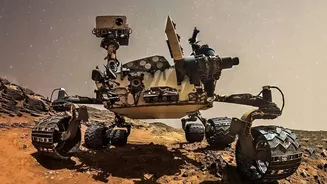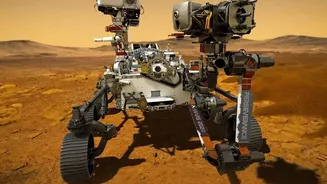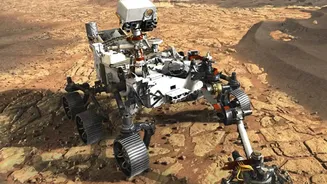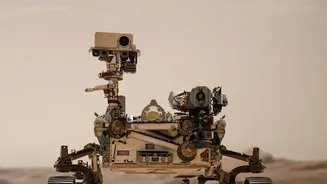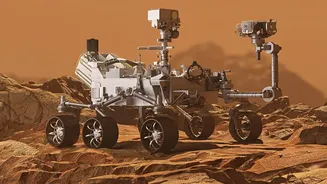




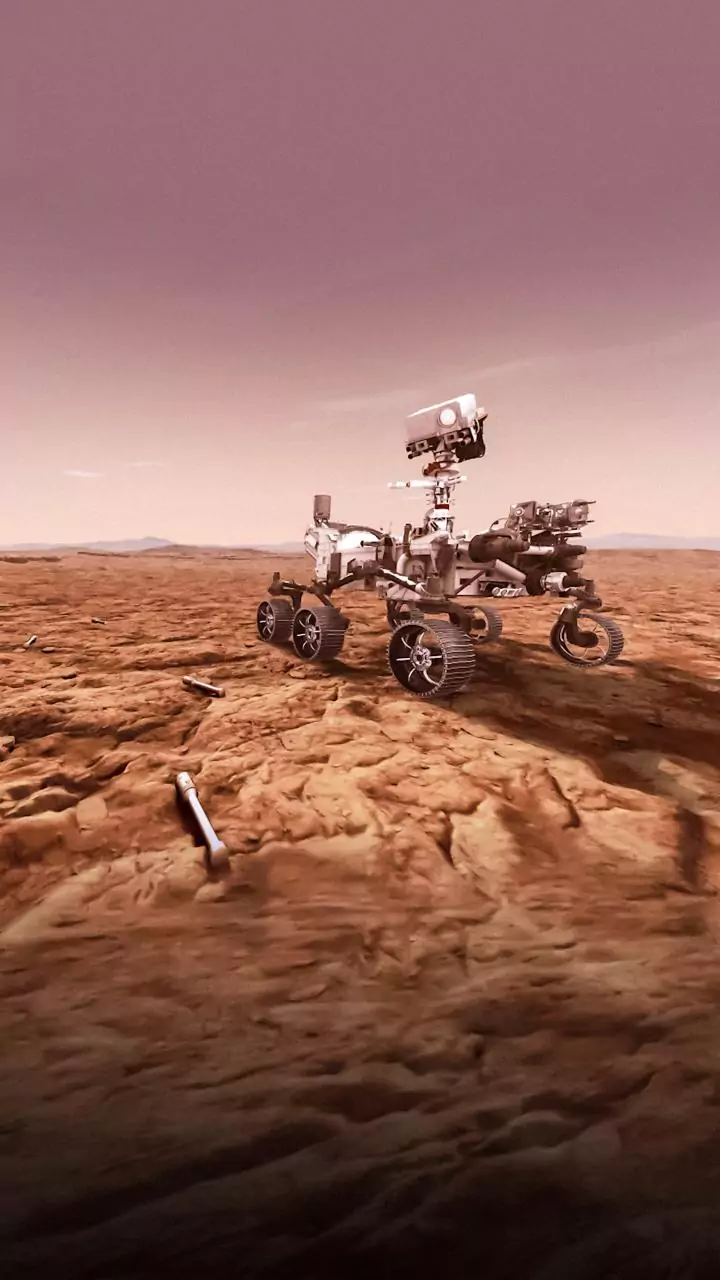
On Mars, a priceless collection of rock and soil samples sits waiting. Collected by the Perseverance rover, they may hold secrets about life beyond Earth. But getting them home has proven to be an epic challenge of its own.
A Treasure Trove on the Red Planet
Since its landing in February
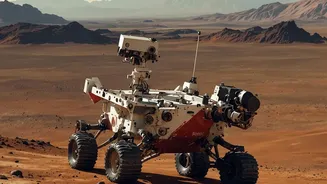
2021, NASA's Perseverance rover has been diligently working in Jezero Crater, a location believed to have once been a river delta. Its mission: to collect scientifically compelling samples that could answer a fundamental question: was there ever life on Mars? Perseverance has gathered a diverse portfolio, drilling into ancient rocks and sealing cigar-sized cores into sterile titanium tubes. Some of these tubes have been carefully placed on the surface to create a depot, while others are stored inside the rover itself. Scientists believe these carefully selected specimens from an ancient, habitable environment are humanity's best chance to find definitive signs of past microbial life.
The Original Plan's Stumble
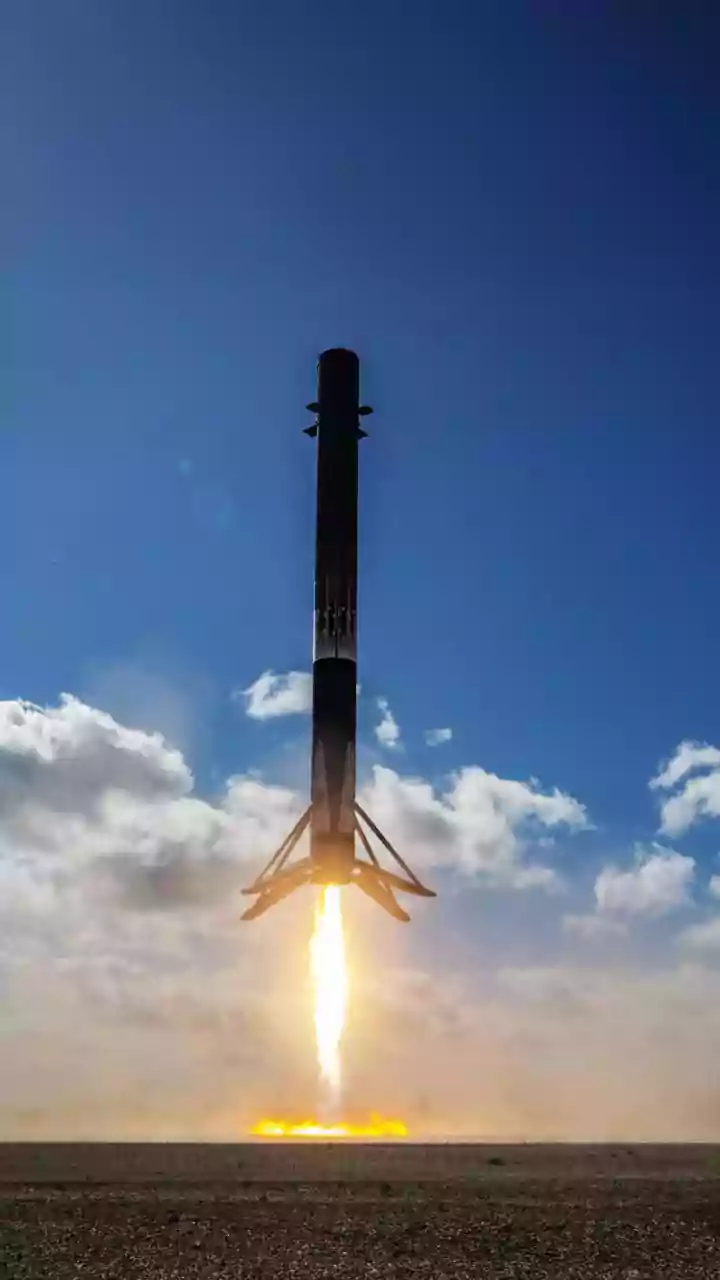
The initial Mars Sample Return (MSR) mission, a joint effort with the European Space Agency (ESA), was a highly complex, multi-spacecraft endeavour. It involved a lander to retrieve the samples, a small rocket (the Mars Ascent Vehicle) to launch them into Martian orbit, and an orbiter to catch the container and fly it back to Earth. However, independent reviews found that the mission's architecture was not only incredibly complicated but also suffered from 'unrealistic expectations' regarding its budget and timeline. The projected cost ballooned to as much as $11 billion, with a return date pushed as far back as 2040. NASA leadership deemed this price tag and schedule unacceptable, concluding that the plan would cannibalize funds from other critical science missions and fail to deliver the samples in a timely manner.
A Leaner, Faster Approach
Faced with these challenges, NASA has gone back to the drawing board. In early November 2026, the agency announced a new initiative called the Perseverance Sample Retrieval Architecture (PSRA). This new effort is designed to develop a faster, cheaper, and less complex mission. Instead of a fully funded program, PSRA is starting as a strategic review. A team will be formed in January 2027 to assess all options, learn from past mistakes, and deliver impartial recommendations for a new mission architecture. The goal is to find a path that can bring the samples back in the 2030s for a more manageable cost, potentially in the range of $5 to $7 billion.
The Billion-Dollar Question: Why Bother?
Bringing rocks from Mars is one of the highest-priority goals for planetary science. While rovers like Perseverance can perform amazing analysis on the surface, the most powerful instruments are here on Earth. Only in advanced terrestrial labs can scientists use a full suite of techniques to search for faint chemical or fossilized traces of ancient life, study the planet's geology and climate history, and better understand its resources. Furthermore, the mission is a crucial stepping stone for human exploration. Analyzing Martian dust and soil is vital for understanding potential hazards, such as toxic compounds, that could pose a risk to future astronauts.
The New Race to Mars
The renewed push from NASA also comes as other nations advance their own plans. China's Tianwen-3 mission is reportedly on track to launch around 2028 and could return its own Martian samples as early as 2031. This adds a sense of urgency to the American effort. The PSRA team's final report, due in the winter of 2027-2028, will not be a funded mission but a strategic recommendation for NASA and the US government to consider. The path forward will depend on whether this new plan can chart a realistic and affordable course for one of the most ambitious robotic missions ever conceived.