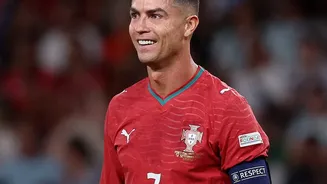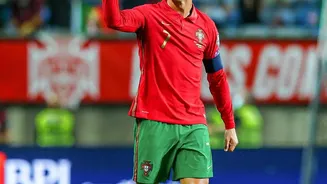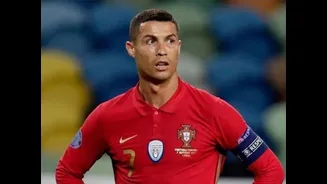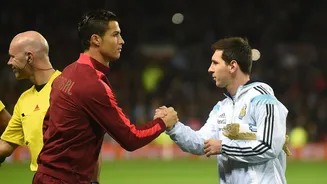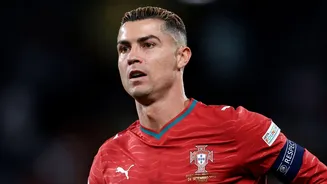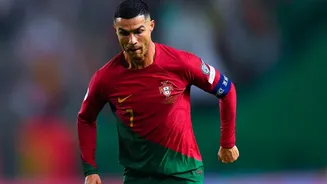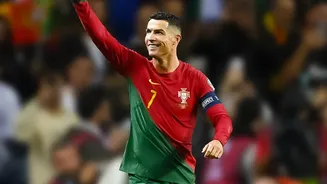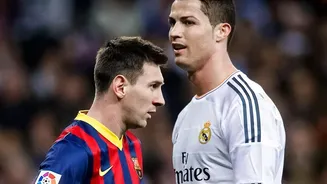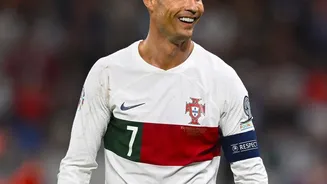

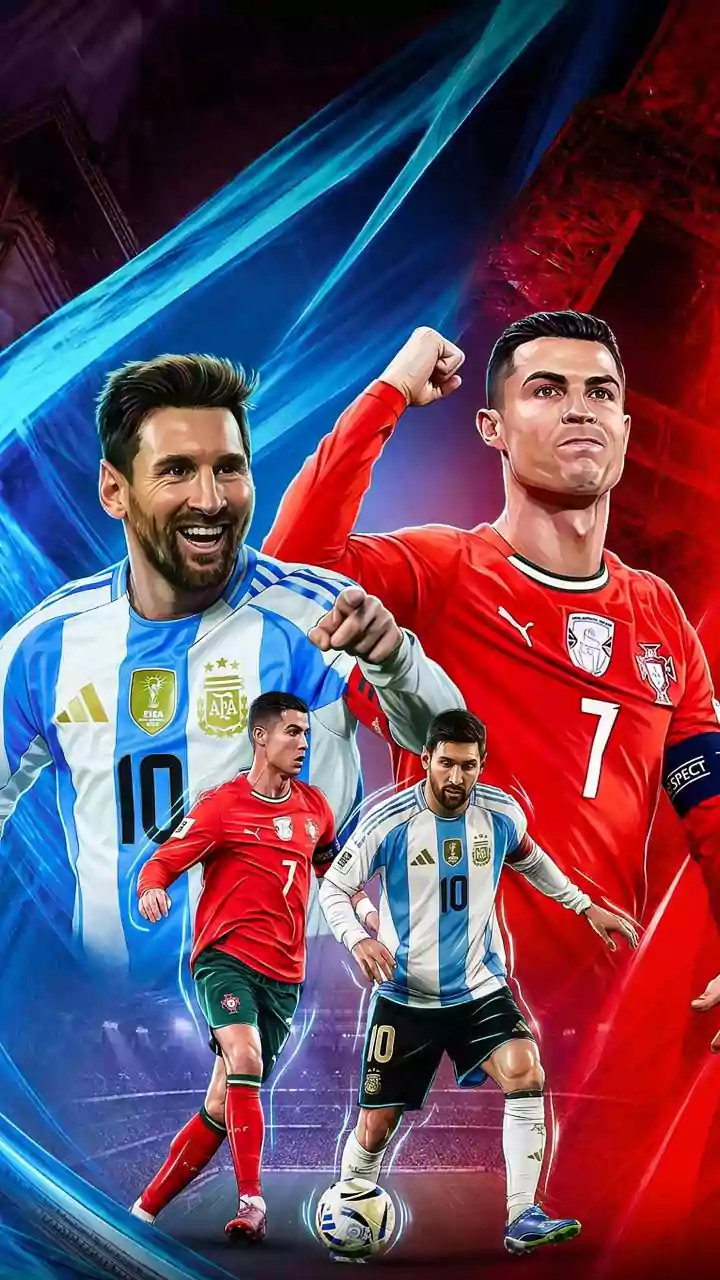


The Cristiano Ronaldo era for the Portuguese national team is officially over. Following his sudden retirement, the question of who could possibly fill the leadership void left by the global icon has been answered with surprising speed and clarity.
The End of an Era
On
November 5, 2026, Cristiano Ronaldo announced his retirement from international football, ending a spectacular 23-year career with the Portugal national team. The decision sent shockwaves through the sport, concluding a journey that saw him earn a world-record 234 caps and score an unparalleled 146 international goals. His departure followed a recent and public falling out with head coach Jorge Jesus, which saw Ronaldo leave the team camp in September after being left on the bench. Despite the friction, the coach confirmed that Ronaldo was in his plans for the upcoming UEFA Nations League fixtures before the player made his decision to step away. While the ending was abrupt, the focus quickly shifted from the past to the immense challenge of the future: moving on without the man who defined Portuguese football for a generation.
A Clear Rule for Succession
In a press conference following the retirement announcement, coach Jorge Jesus wasted no time in clarifying the path forward. Rather than anointing a successor based on personal preference, Jesus revealed that the team follows a long-standing tradition: the captain's armband is given to the player with the most international appearances. 'With the national team, captains are chosen based on their international appearances,' Jesus explained. 'The principle remains the same'. He went on to identify a core group of five senior players who now stand at the top of the seniority list, all of whom, he noted, had played for him at club level during his extensive managerial career. This straightforward approach removed any drama or speculation, providing a stable foundation for the team's new chapter.
The New Captain: Bernardo Silva
Based on the seniority rule, the player to inherit the captaincy is Bernardo Silva. With 115 caps to his name, the 32-year-old Real Madrid midfielder is now the most experienced player in the squad following Ronaldo's exit. The appointment comes at a pivotal time for Silva, who has become an increasingly influential figure for his club. Coach Jorge Jesus praised his form, noting that it is 'not easy to be a regular starter for a team like Real Madrid'. Known for his intelligence, technical skill, and relentless work ethic, Silva represents a different style of leader than the talismanic Ronaldo. His first challenge will be to lead Portugal in their upcoming Nations League matches, marking the first time in nearly two decades that the team will take the field without Ronaldo as its official leader.
A New Leadership Collective
While Silva will wear the armband, Jorge Jesus made it clear that leadership will be a shared responsibility. The other senior players identified by the coach form a new leadership group, creating a council of veterans to guide the team. This group includes Manchester United's passionate midfielder Bruno Fernandes (97 caps), Manchester City's defensive rock Rúben Dias (84 caps), versatile fullback João Cancelo (77 caps), and midfielder Rúben Neves (73 caps). Together, these players represent the core of a golden generation that has won major trophies alongside Ronaldo but must now prove it can succeed without him. The transition marks a significant shift from relying on a single, dominant personality to a more collective and distributed form of onpitch authority.
A Different Dawn for Portugal
Replacing a figure of Cristiano Ronaldo's stature is impossible in a literal sense. His goalscoring records and magnetic presence are a onceinageneration phenomenon. However, Portugal's swift and transparent handling of the captaincy succession signals a desire for stability and continuity. The challenge for this new leadership group will not be to find the 'next Ronaldo', but to forge a new identity for the Seleção. With Bernardo Silva at the helm, the team's character may shift towards a more collective, technicallydriven style of play, built around the strengths of its worldclass midfield and defensive leaders. The upcoming matches against Denmark and Wales will offer the first glimpse of this new reality, as Portugal begins the difficult but necessary process of redefining itself in the postRonaldo world.