





What is the Lymphatic System?
Before understanding the walking trend, it helps to know what the lymphatic system does. Think of it as your body's silent drainage and filtration network. This vast system of vessels and nodes runs throughout your body, collecting excess fluid, cellular
waste, and harmful substances like bacteria and viruses. Unlike your cardiovascular system, which has the heart to pump blood, the lymphatic system has no central pump. It relies on your body's movement—specifically muscle contractions and deep breathing—to keep the fluid, called lymph, flowing smoothly. When this system is working well, it's a key player in your immune function and fluid balance.
Enter Lymphatic Walking
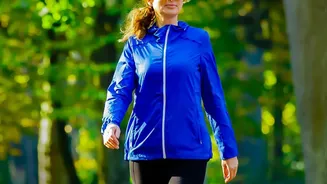
Lymphatic walking isn't a secret or complex workout. At its core, it's simply regular, rhythmic walking performed with specific intentions to better stimulate lymph flow. The technique, popularized on social media, emphasizes a few key elements: maintaining good posture, swinging your arms freely, rolling through your foot from heel to toe, and taking deep, diaphragmatic breaths. The idea is that this combination of movements creates a more effective full-body pump. The arm swings help move lymph in the upper body and chest, while the heel-to-toe steps repeatedly contract the calf muscles, which are sometimes called the body's "second heart" for their role in pushing fluid up against gravity.
The Claims vs. The Reality
Online videos often link lymphatic walking to dramatic benefits like instant de-bloating, flushing toxins, and even melting fat. Experts advise a more measured perspective. While walking is genuinely good for your lymphatic system, there is currently no scientific evidence to suggest that the specific “lymphatic walking” technique is superior to any other form of purposeful, brisk walking. Any walk that involves muscle contraction and deeper breathing will help move lymph fluid. The claims about “flushing toxins” can also be misleading. Your liver and kidneys are your body's primary detoxification organs. The lymphatic system supports this process, but a walk alone is not a “detox” treatment.
Regular Walking Is Already Great
The good news is that you don’t need a special label to reap the rewards. Any form of walking engages the mechanisms that propel lymph fluid. A brisk, rhythmic walk naturally encourages deeper breathing and activates muscle groups throughout your body, from your legs and glutes to your core and arms. Studies have shown that exercise can increase lymph flow several times over resting levels. Therefore, the real benefit doesn't come from a secret technique but from the simple act of moving consistently. If the 'lymphatic walking' trend encourages you to get outside and walk more regularly with better posture and mindful breathing, then it’s providing a genuine benefit—just not a magical one.
How to Walk for Wellness
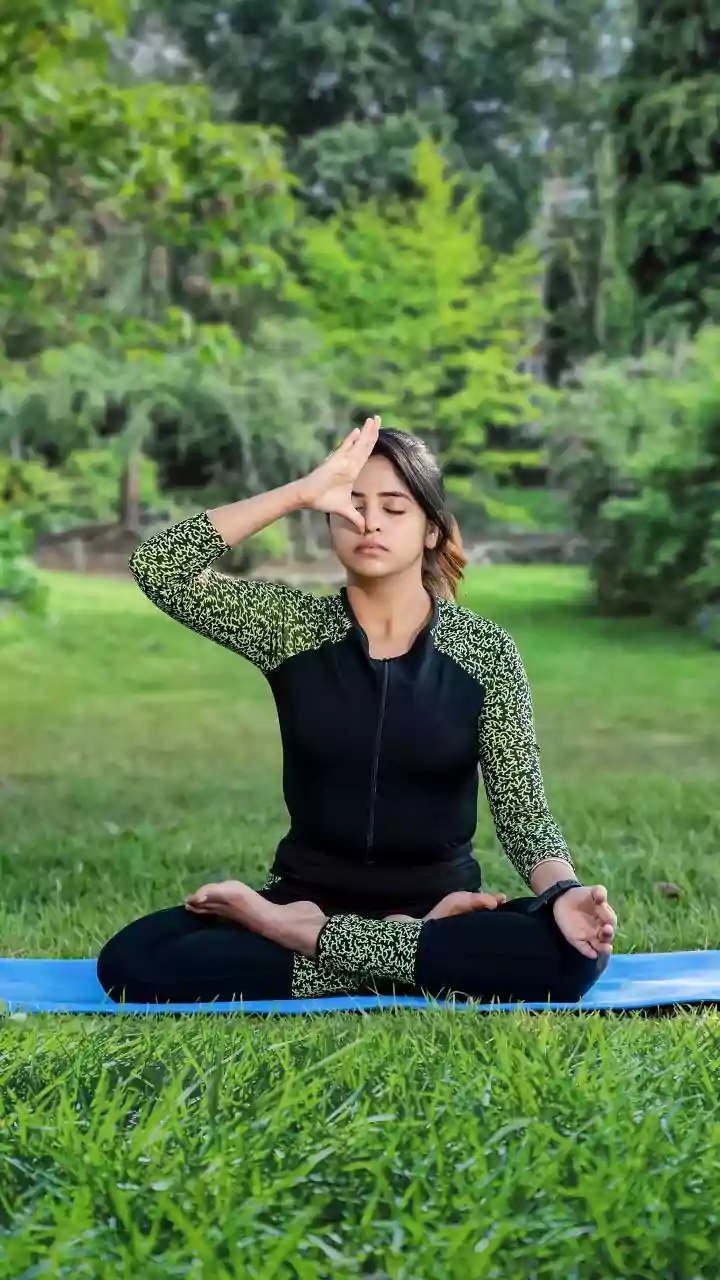
If you want to try this mindful approach to walking, focus on the form. Aim for a 20 to 40-minute walk most days of the week. Stand tall with your chin parallel to the ground, relax your shoulders, and let your arms swing naturally instead of keeping them stiff or in your pockets. Pay attention to your feet, rolling from the heel to the ball of your foot with each step. Every few minutes, take a slow, deep belly breath. This intentional breathing helps act as an internal pump for the lymph vessels in your chest and abdomen. The most important factor is consistency. Finding a routine you enjoy is far more beneficial than perfecting a specific style.