







A Faster, Clutter-Free Interface
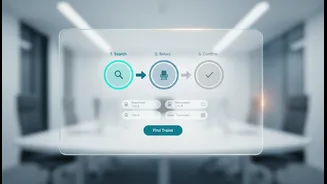
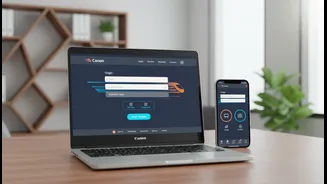
The most immediate change users will notice is the redesigned, minimalist interface. The new portal does away with much of the clutter, including distracting flashing advertisements and pop-ups that previously interrupted the booking process. This cleaner
layout isn't just for aesthetics; it allows pages to load faster, even on slower networks, and reduces the chances of the site freezing during critical moments. The overhaul was prompted in part by feedback from students to the Railway Minister about the difficulties of using the old site, particularly the constant CAPTCHA verifications that slowed everything down. The new system significantly reduces these interruptions, aiming for a smoother, quicker journey from search to payment.
Unified Search and a Fare Calendar
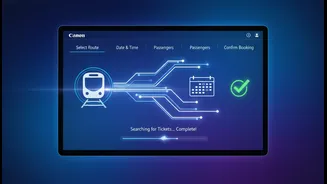
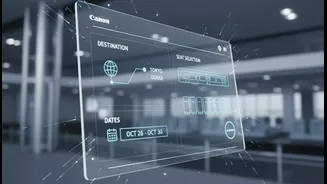
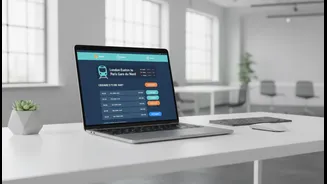
Finding the right train and class has been streamlined significantly. Previously, passengers had to toggle between Sleeper, 3AC, 2AC, and other classes one by one to check seat availability. The new design presents availability across all classes on a single screen, saving valuable time and clicks. This unified view allows for quicker comparisons and decisions. Adding to this convenience is a new fare calendar feature. This tool lets travelers with flexible dates easily compare ticket prices across a wider window, helping them spot cheaper fares without having to perform multiple searches. It’s a small change that adds a layer of smart planning to the booking process.
Saving Time with Passenger and Payment Details
For frequent travelers and families, one of the most practical updates is the ability to save passenger details. Instead of repeatedly typing names, ages, and ID numbers for every booking, users can create a 'Master List' of passengers. During booking, these profiles can be added with just a couple of taps, a crucial time-saver during high-demand periods like the Tatkal window. The checkout process has also been optimized. With a more streamlined payment flow that prioritizes options like UPI and the IRCTC e-wallet, the system is designed to reduce transaction failures and complete bookings faster.
Built for a High-Traffic India
Beyond the user-facing features, the entire backend system has received a massive upgrade to handle India's immense demand. The new platform is built to process over 1.5 lakh bookings per minute, a nearly five-fold increase from the previous capacity of around 32,000. The Passenger Reservation System (PRS) can now handle over 40 lakh inquiries per minute, up from 4 lakh previously. This enhanced horsepower is specifically designed to prevent the website and app from crashing during peak hours, particularly the notoriously difficult Tatkal booking window. The platform has also been made more accessible, with support for multiple Indian languages and an integrated system for concession bookings for Divyangjan, students, and patients.