







Understanding the Common Issues
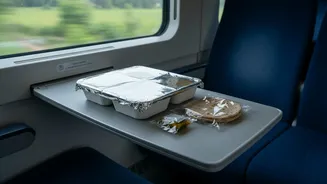
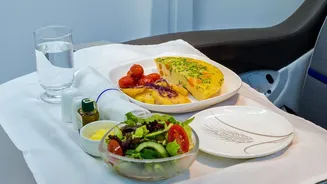
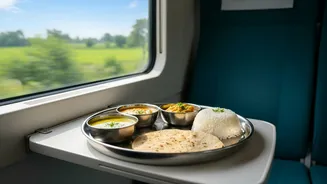
Complaints regarding catering on Indian Railways typically fall into a few key categories: poor food quality, unhygienic preparation or handling, overcharging for items, and discrepancies between the meal ordered and the one served. While IRCTC and Indian Railways serve an estimated
58 crore meals annually, even a small percentage of issues can affect thousands of passengers. According to information presented in Parliament, food quality complaints are comparatively low, averaging around 0.0008% of all meals served. However, the system is designed to handle every grievance, from a cold meal to a serious hygiene breach.
Your Main Tool: The RailMadad Portal
The primary and most efficient channel for lodging a grievance is the RailMadad portal, an integrated system accessible via its website (railmadad.indianrailways.gov.in) or a dedicated mobile app. This platform consolidates various complaint mechanisms into a single window. To file a complaint, passengers need their PNR number, which automatically fetches journey details. You can then select the specific issue, such as catering, provide a brief description, and submit it. The system generates a reference number for tracking, ensuring your complaint is officially logged and directed to the correct department for action. RailMadad covers a wide range of issues beyond food, including medical assistance, security, and cleanliness.
Other Effective Complaint Channels
Besides RailMadad, several other avenues are available. The railway helpline number 139 is a versatile tool for various services, including registering a food-related complaint. For those active on social media, posting a clear, concise complaint and tagging the official accounts of the Ministry of Railways (@RailMinIndia) and IRCTC (@IRCTCofficial) on X (formerly Twitter) can often lead to a swift response. Additionally, a dedicated toll-free number for catering issues, 1800-111-321, has been established to handle grievances related to food. For immediate, on-the-spot issues, passengers can also complain directly to the Train Ticket Examiner (TTE) or an on-board IRCTC manager, who are authorised to resolve problems during the journey.
How to Make Your Complaint Count
To ensure your complaint is addressed effectively, providing clear and detailed information is crucial. Always include your PNR number, train number, coach and berth details, and the date and time of the incident. When the issue is with food quality or a wrong item, take a clear photo as evidence. If you are being overcharged, note the vendor's details if possible and ask for a bill; the policy of 'No Bill, The Food is Free' is intended to curb this practice. Being specific in your description—whether the food was stale, undercooked, or hygienically compromised—helps authorities take targeted action. Remember to get a complaint number to make follow-ups easier.
The Enforcement and Penalty System
Filing a complaint does more than just address a personal inconvenience; it feeds into a larger system of accountability. Indian Railways and IRCTC conduct regular and surprise inspections to monitor hygiene, quality, and service standards. These checks are performed by railway officials and Food Safety Officers. Based on passenger complaints over the last three years, IRCTC has taken significant penal action against defaulting vendors. This includes imposing fines amounting to ₹5.13 crore, issuing 54 show-cause notices, and terminating six contracts. Licensees who have been debarred are publicly listed on the IRCTC website, creating a transparent record of enforcement.
Broader Steps for System-Wide Improvement
Beyond individual complaints, Indian Railways has been implementing systemic changes to enhance its catering services. One major initiative is the introduction of QR codes on meal packets, which allow passengers to see details like the kitchen name, packing date, and FSSAI license number. There is also a push to modernise base kitchens, where most of the food is prepared, and install CCTV cameras for real-time monitoring of food preparation. IRCTC is also focused on improving the variety and quality of food, including offering regional cuisine, healthier options, and special meals for different dietary needs like diabetes-friendly foods.