






The Power of Staying Still
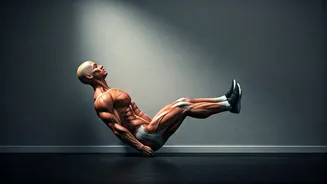
In the world of fitness, we often associate progress with movement—running faster, lifting heavier, jumping higher. However, there's a powerful category of exercises where the goal is to remain perfectly still: isometrics. An isometric exercise involves
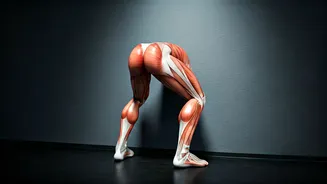
contracting your muscles without any change in muscle length or joint angle. Think of a plank or, in this case, a wall sit. Instead of performing reps, you hold a static position, creating sustained tension in the muscles. This tension is the key to building muscular endurance, which is the ability of your muscles to work for an extended period without fatiguing. The wall sit is a standout isometric exercise because it specifically targets the entire lower body, including the quads, glutes, hamstrings, and even your core, which works to keep you stabilized against the wall.
Perfecting Your Wall Sit Form
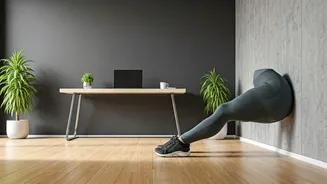
While it looks simple, proper form is crucial for maximizing benefits and preventing injury. Follow these steps to execute a perfect wall sit: Start by standing with your back flat against a sturdy wall. Walk your feet out about two feet from the wall, keeping them hip- to shoulder-width apart. Slowly slide your back down the wall until your thighs are parallel to the floor, aiming for a 90-degree angle at your hips and knees, as if sitting in an invisible chair. Your knees should be directly above your ankles, not tracking out over your toes. Keep your head, shoulders, and entire back pressed firmly against the wall, engage your core, and breathe steadily. Don't hold your breath. When your time is up, push through your heels to slide back up to a standing position.
Common Mistakes to Avoid
Small errors in form can reduce the effectiveness of a wall sit or even lead to strain. One of the most common mistakes is not sinking low enough; your thighs should be parallel to the ground to fully engage the muscles. Conversely, sliding too low puts unnecessary stress on your knees. Another frequent error is letting the knees drift past the ankles, which also strains the knee joints. Always ensure your weight is distributed evenly through your feet or even slightly more in your heels, not on your toes. Finally, avoid the temptation to rest your hands on your thighs. This takes tension off your leg muscles, making the exercise easier and less effective.
Building an Endurance-Focused Routine
The key to building endurance with wall sits is progressive overload. If you're a beginner, start with shorter holds, such as 20 to 30 seconds, for 2-3 sets. Don't worry about hitting a 90-degree angle on your first try; you can start with a higher position and work your way down as you build strength. Each week, try to add 5 to 10 seconds to your hold time. Once you can comfortably hold the position for 60 seconds or more with perfect form, you can start incorporating more advanced variations to continue challenging your muscles.
Advanced Wall Sit Variations
Once you've mastered the basic wall sit, you can increase the intensity with several variations. For a greater lower-body challenge, try placing a weight plate or dumbbell on your thighs. You can also introduce instability by placing a stability ball between your back and the wall, which forces your core to work harder. To focus on unilateral strength and balance, progress to a single-leg wall sit by extending one leg straight out in front of you while maintaining the hold. Other variations include adding upper-body movements like bicep curls or overhead presses with dumbbells while holding the sit, turning it into a full-body exercise.