



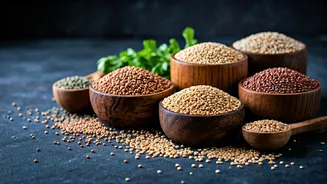


The Ancient Grain's Modern Renaissance
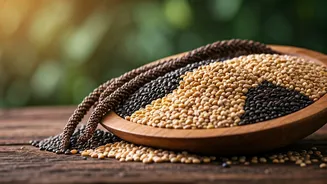
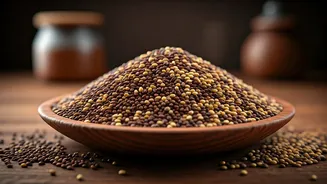
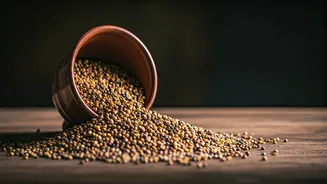
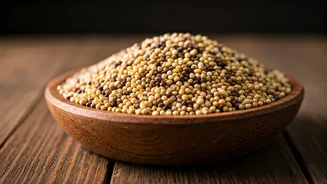
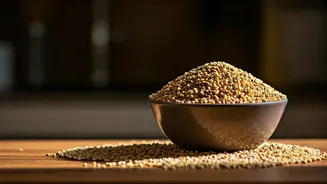
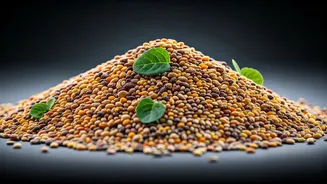
For thousands of years, millets like jowar, bajra, and ragi were staple foods across India. These hardy, drought-resistant crops were the backbone of traditional diets, but they gradually took a backseat to wheat and rice. However, a renewed focus on health,
sustainability, and rediscovering traditional ingredients has brought them roaring back into the mainstream. Initiatives like the 'International Year of Millets' in 2023, heavily promoted by India, have significantly boosted awareness about their incredible benefits, encouraging chefs and home cooks to reintegrate these grains into modern meals. This isn't just about nostalgia; it's about recognizing that these ancient grains are a powerful solution for contemporary health concerns.
Why Millets Are Your Morning's Nutritional Hero
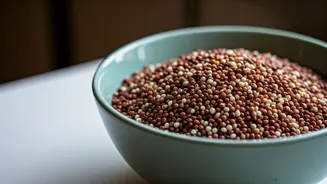
What makes millets the perfect breakfast food? The secret lies in their nutritional profile. Unlike refined grains that can cause a rapid spike and crash in energy, millets are complex carbohydrates with a low glycemic index. This means they release energy slowly, keeping you feeling full and focused all morning long without the mid-morning slump. They are packed with dietary fibre, which aids digestion and promotes gut health. Plus, millets are naturally gluten-free, making them an excellent choice for those with gluten sensitivity or celiac disease. Rich in essential minerals like iron, magnesium, and phosphorus, they contribute to everything from bone health to reducing fatigue.
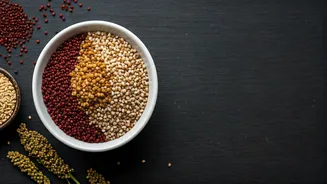
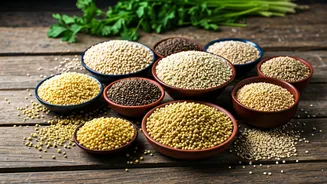
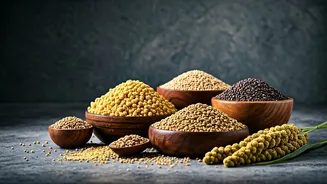
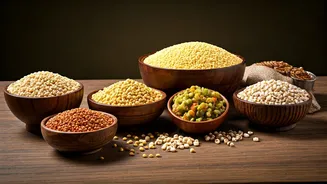
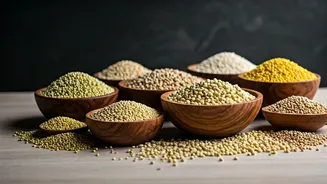
Meet the Millet Family: A Grain for Every Goal
Not all millets are the same; each variety offers a unique set of benefits, making it easy to choose one based on your health needs.
Ragi (Finger Millet): This is the undisputed king of calcium, containing significantly more than other cereals, which is vital for strong bones and teeth. Its earthy flavour works wonderfully in porridges and dosas.
Bajra (Pearl Millet): A powerhouse of iron, bajra is excellent for combating fatigue and anaemia. It's also known for its warming properties, making it a popular choice in winter.
Jowar (Sorghum): Rich in antioxidants and B vitamins, jowar is great for heart health and can help manage cholesterol levels.
Foxtail Millet (Kangni): With a high protein content and low glycemic index, foxtail millet is a fantastic substitute for rice and is particularly beneficial for blood sugar management.
Easy and Delicious Ways to Start Your Day
Incorporating millets into your breakfast doesn't have to be complicated. There are many simple and delicious ways to enjoy them:
Creamy Millet Porridge: A comforting alternative to oatmeal. Simply cook any millet with milk or water until it reaches a porridge-like consistency. Add toppings like fresh fruit, nuts, and a drizzle of honey for a complete meal.
Fluffy Millet Upma: A healthier take on the classic breakfast. Dry roast little millet or foxtail millet before cooking it with your favourite spices and vegetables for a light and savoury start to the day.
Soft Idlis and Crispy Dosas: Replace some or all of the rice in your traditional idli or dosa batter with millet flour. Fermented foxtail millet or kodo millet makes for wonderfully soft idlis and crispy dosas.
Nutrient-Packed Smoothies: For a quick on-the-go option, blend cooked and cooled ragi with banana, milk, and a touch of cocoa powder for a healthy chocolate milkshake.
Simple Tips for Cooking Millets Perfectly
Cooking millets is easy once you know a few basics. To get a fluffy, grain-like texture perfect for upma or pulao, use a 1:2 ratio of millet to water. For a creamier, porridge-like consistency, increase the water to a 1:3 ratio. Toasting the dry grains in a pan for a few minutes before adding water can enhance their nutty flavour. Soaking millets for a few hours can help make their nutrients more absorbable and may reduce cooking time. Don't be afraid to experiment with different varieties to find the texture and taste you love most.