



An Unprecedented Shopping Spree
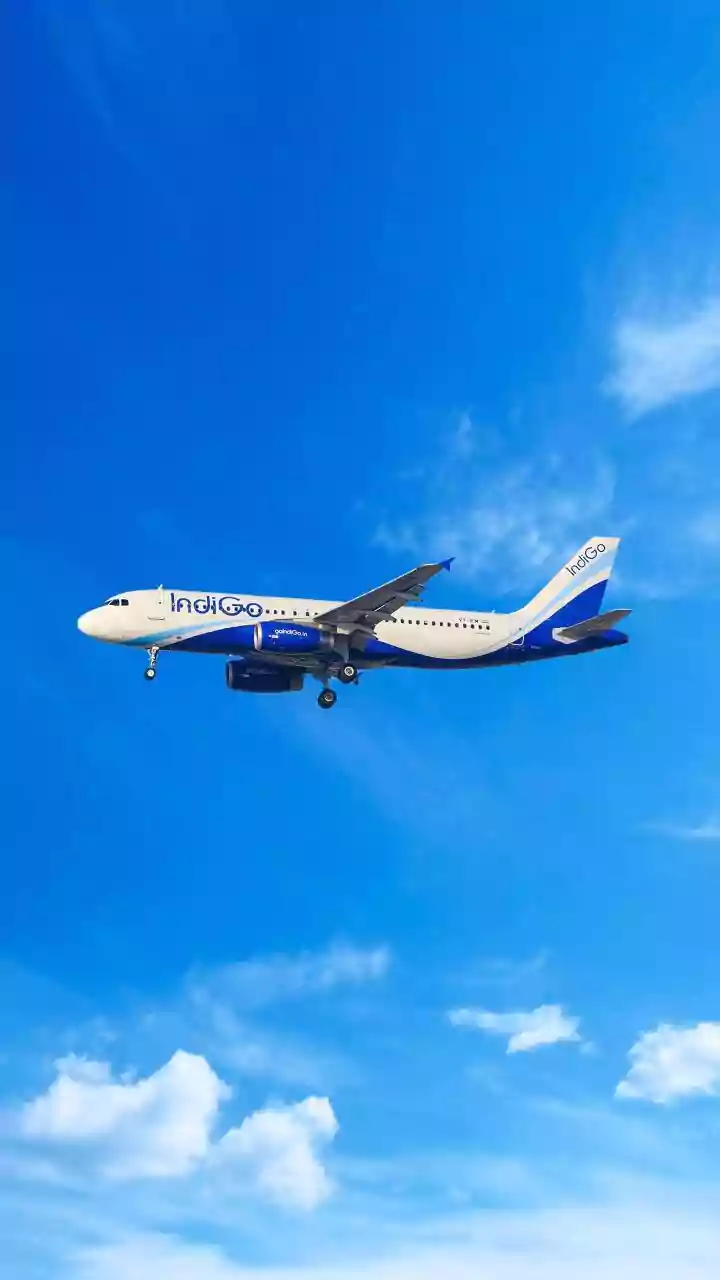
Union Commerce Minister Piyush Goyal recently announced that India is gearing up to place orders for an additional 1,000 civilian aircraft. This massive potential order comes on top of more than 1,200 planes already on the books for carriers like IndiGo,
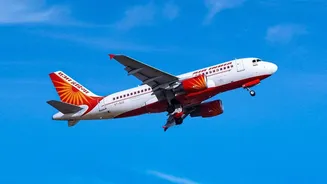
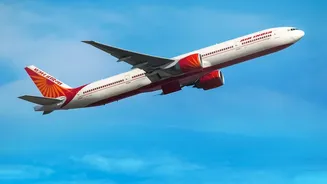
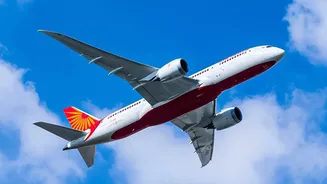
Air India, and Akasa Air. Combined, this points to a total requirement of over 2,000 new aircraft to satisfy the country's surging demand for air travel over the next decade. This move signals the immense scale of ambition within the Indian aviation sector, positioning it for one of the fastest fleet growth rates in the world. Major airlines are at the heart of this expansion, with Air India and IndiGo having already placed historic orders with both Airbus and Boeing in recent years, covering everything from domestic workhorses to long-haul widebody jets.
The Paradox of Grounded Fleets
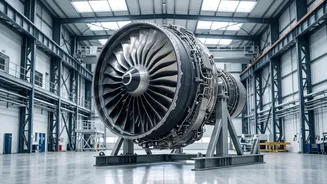
The urgent need for new planes is compounded by a severe, ongoing fleet shortage that has left a significant portion of the existing fleet idle. A primary cause has been persistent issues with Pratt & Whitney (P&W) engines that power many Airbus A320neo family aircraft. Carriers like IndiGo have seen dozens of their planes grounded due to required engine inspections and a global bottleneck in maintenance and repairs. This problem, stemming from manufacturing defects, has forced airlines to extend leases on older planes and even wet-lease aircraft—hiring both the plane and its crew—just to maintain their schedules. The crisis was so acute it was a major contributing factor to the collapse of Go First, which also relied heavily on the troubled P&W engines. This supply-side crunch is happening just as passenger demand has roared back, creating a critical capacity gap.
A Long-Term Bet on Indian Growth
These staggering order numbers are more than just a reaction to a temporary shortage; they represent a monumental bet on the future of the Indian economy and its growing middle class. Aviation consultancy Oliver Wyman forecasts that India's commercial aircraft fleet will grow at an annual rate of 7.1% between 2026 and 2036, among the highest in the world. Airlines are planning not just for today's routes but for the next decade of expansion. This includes connecting more Tier-2 and Tier-3 cities and aggressively expanding international routes. For instance, IndiGo is adding long-range Airbus A321XLR and A350 aircraft to its fleet to push deeper into Europe and Asia, while the revamped Air India is inducting a new widebody plane nearly every six weeks to rebuild its global network.
The Ripple Effect on Passengers and Economy
For passengers, the influx of new aircraft could eventually lead to more flight options, better connectivity, and potentially more competitive fares as capacity increases. However, the short-term reality is that the current shortage can lead to higher prices, especially during peak travel seasons. Beyond the consumer, these orders have a massive economic ripple effect. They represent tens of billions of dollars in business for global manufacturers Airbus and Boeing. Domestically, this expansion necessitates a parallel investment in airport infrastructure, air traffic control systems, and a massive hiring drive for pilots, cabin crew, and ground staff. The government is also working to develop aircraft leasing and financing hubs within India, such as in GIFT City, to reduce reliance on foreign financing and retain more value within the country.
Hurdles on the Horizon
While the ambition is clear, the path forward is not without challenges. The primary constraint is the ability of Airbus and Boeing to actually build and deliver these planes on schedule. Both manufacturers are dealing with enormous global backlogs and their own supply chain issues, with some delivery slots for Indian carriers stretching out as far as 2034. The Indian government is actively pushing these companies to accelerate their delivery timelines. Furthermore, India must ensure its infrastructure and human resources can keep pace. A shortage of trained pilots and maintenance engineers could become a significant bottleneck. Successfully navigating these hurdles will be critical to turning these historic orders into operational reality and cementing India's status as a global aviation superpower.