


Understanding the World of Fats
Fats are essential for our bodies, but not all are created equal. They are broadly divided into two categories: saturated and unsaturated. Saturated fats, which are solid at room temperature, are found in foods like butter, ghee, fatty meats, and full-fat
dairy. While not entirely villainous, a diet high in these fats has been linked with elevated cholesterol levels. Unsaturated fats, on the other hand, are typically liquid at room temperature and are considered beneficial. This group includes monounsaturated and polyunsaturated fats, which are found in various plant-based oils, nuts, and seeds. These fats can help improve blood cholesterol levels, ease inflammation, and stabilize heart rhythms.
The Health Risks of a Butter-Heavy Diet
Butter is composed of about 63% saturated fat. For decades, high intake of saturated fat has been a concern for heart health. Diets rich in saturated fat can increase levels of LDL cholesterol, often called "bad" cholesterol. Over time, high LDL cholesterol can lead to plaque buildup in the arteries, increasing the risk for heart disease and stroke. Research has shown that while saturated fat itself may not be the sole cause of heart disease, replacing it with healthier polyunsaturated fats is associated with a lower risk of cardiovascular events. One study even found that higher butter consumption was linked to increased mortality risk, reinforcing the benefits of moderation and smarter choices.
The Power of Unsaturated Cooking Oils
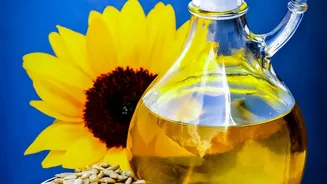
Making the switch to unsaturated oils is a powerful step towards better health. Oils rich in monounsaturated and polyunsaturated fats help lower LDL cholesterol while sometimes even raising HDL ("good") cholesterol. Many plant oils are also a good source of Vitamin E, a vital antioxidant. In an Indian context, several commonly used oils fit this healthy profile. Mustard oil, a staple in North and East India, is rich in monounsaturated fats and has a high smoke point, making it great for high-heat cooking and frying. Groundnut oil, popular in Western and Southern India, is also high in heart-healthy monounsaturated fats. Other excellent options include rice bran oil, sesame oil, and sunflower oil, all of which offer a better fatty acid profile than butter for everyday cooking.
Easy Swaps for Everyday Cooking
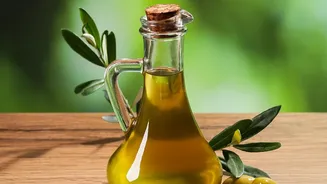
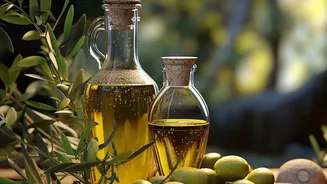
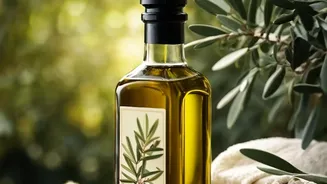
Integrating these healthier fats into your diet doesn't require a complete kitchen overhaul. It's about making small, consistent substitutions. Instead of melting butter in a pan for sautéing vegetables or making a tadka, use a splash of mustard or groundnut oil. For baking, many recipes that call for melted butter can work just as well with a neutral-flavoured oil like sunflower or canola oil. When making sandwiches or spreading on toast, consider using a soft margarine that is low in saturated fat instead of a hard block of butter. Even for dressings, a drizzle of extra virgin olive oil is a much healthier choice for salads and dips than a butter-based sauce. The key is to start small; pick one meal a day where you make the switch and build from there.
A Note on Ghee and Coconut Oil
In many Indian households, ghee and coconut oil are traditional cooking fats prized for their flavour and perceived health benefits. It's important to understand their place in a healthy diet. Both are high in saturated fat, similar to butter. While traditional, cold-pressed versions may retain more nutrients than refined varieties, they still contribute significantly to your daily saturated fat intake. This doesn't mean they must be completely avoided. Ghee, for example, is a source of fat-soluble vitamins. However, they should be used in moderation, not as the primary cooking fat. The principle of rotating your oils—using different types for different preparations—is a wise approach to ensure a balanced intake of various fatty acids.