




What Is This Pacific Climate Pattern?
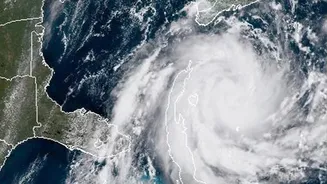
The phenomenon in question is the El Niño-Southern Oscillation, or ENSO. It's a naturally occurring climate pattern that has two opposite phases: El Niño and La Niña. During an El Niño phase, the surface waters in the central and eastern Pacific Ocean
become significantly warmer than average. In contrast, a La Niña phase involves the cooling of those same ocean waters. These events typically occur every two to seven years and can last for nine to twelve months, altering weather patterns across the globe. Think of it as a massive climatic heartbeat in the Pacific, with its rhythm felt thousands of kilometres away.
The Critical Monsoon Connection
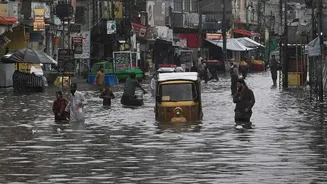
India's economy and well-being are inextricably linked to the southwest monsoon, which provides about 70% of the country's annual rainfall. This is where ENSO comes in. Historically, El Niño has a strong correlation with weaker monsoons and reduced rainfall over the Indian subcontinent. The warming of the Pacific disrupts atmospheric circulation patterns, weakening the moisture-laden winds that are vital for a healthy Indian monsoon. Conversely, La Niña phases are often associated with stronger monsoons and above-average rainfall. While not every El Niño year results in a drought, it significantly increases the probability of one.
From a Weak Monsoon to Your Kitchen Budget
For urban residents, the most immediate and tangible impact of a poor monsoon is felt at the market. A significant portion of India's agriculture is rain-fed. When the monsoon is weak due to El Niño, agricultural output suffers. Lower yields of essential crops like pulses, oilseeds, and vegetables lead to supply shortages. This demand-supply gap inevitably drives up food prices in cities across the country, stretching household budgets. What happens in the rural hinterland doesn't stay there; it quickly appears on the price tags at your local grocery store.
The Looming Threat of Urban Water Scarcity
Most major Indian cities depend on reservoirs that are replenished by monsoon rains. A weak monsoon means these reservoirs don't fill up, leading directly to water shortages and rationing in urban areas. Cities like Mumbai, Chennai, and Bengaluru have all faced such situations, with authorities forced to implement water cuts for households and industries. This scarcity not only causes daily inconvenience but also affects public health and economic activity. The sight of water tankers becoming a primary source of water is a direct consequence of climatic shifts happening far away.
Wider Economic and Health Ripples
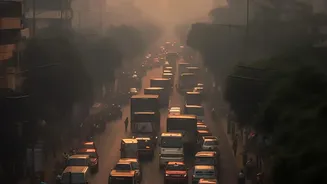
The impact of a poor monsoon extends beyond food and water. Reduced water levels in reservoirs also mean lower hydropower generation, putting a strain on the energy grid. A struggling agricultural sector can slow down the entire national economy, impacting growth and inflation. Furthermore, El Niño is also linked to higher temperatures and more intense heatwaves across India. In urban areas, this is amplified by the 'urban heat island' effect, where concrete and asphalt trap heat, increasing health risks. Even air quality can be affected, as changes in wind and rain patterns can alter the dispersal of pollutants.