




Why Rinsing is Non-Negotiable
The single most important step for fluffy basmati is rinsing. As grains rub against each other during milling and transport, they develop a coating of fine starch dust. When unrinsed rice hits hot water, this starch dissolves and creates a gluey paste,
causing the grains to clump together. To prevent this, place your rice in a bowl and cover it with cold water. Swirl gently with your fingers—you'll see the water turn milky white. Pour off the cloudy water and repeat the process three to four times, until the water is mostly clear. This simple act washes away the excess surface starch, setting the stage for perfectly distinct grains.
The Case for Soaking
While rinsing is essential, soaking is a highly recommended second step, especially if you're aiming for the longest, most elegant grains for dishes like biryani. Soaking allows the dry, brittle grains to hydrate evenly before they encounter heat. This pre-hydration helps the grains cook more uniformly, reducing the chance of them breaking or having a hard, chalky center. It also allows the grains to elongate to their full potential. A 20 to 30-minute soak in cold water is the sweet spot for most basmati rice. Any longer can make the grains too fragile. If you're short on time, even 15 minutes helps, but a proper rinse is still the top priority.
The Golden Ratio: Stovetop Absorption
This is the classic method for a reason. For unsoaked basmati rice, the most reliable starting ratio is 1 cup of rice to 1.5 cups of water. Some brands or aged varieties might need slightly more, up to 1.75 cups of water, so it's always wise to check the package instructions. If you have soaked your rice, you can slightly reduce the water. In a heavy-bottomed pot with a tight-fitting lid, combine the rinsed (and possibly soaked) rice, water, and a pinch of salt. You can also add a teaspoon of ghee or oil, which helps keep the grains separate and adds flavour. Bring the water to a boil, then immediately reduce the heat to the lowest possible setting. Cover the pot and let it simmer for 10-15 minutes without lifting the lid. The steam trapped inside is crucial for cooking the rice evenly.
Ratios for Rice Cookers and Pressure Cookers
Modern appliances change the game because they are sealed environments that trap steam more efficiently. For an electric rice cooker, a ratio of 1 cup of rice to 1.5 cups of water is a good starting point, but many users find a 1:1.25 ratio works well. Always check the machine's instructions. For a pressure cooker or an Instant Pot, you need even less water because almost no steam escapes. A 1:1 or 1:1.25 water-to-rice ratio is often recommended for soaked basmati rice. The cooking time under pressure is also much shorter, often just a few minutes followed by a natural pressure release.
The Final Flourish: Resting and Fluffing
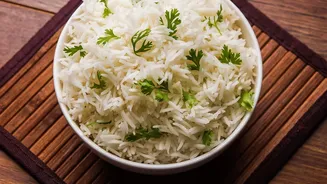
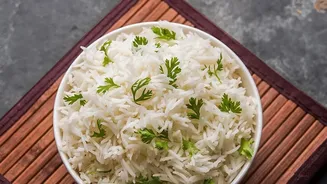
Once the cooking time is up, resist the urge to serve the rice immediately. Turn off the heat and let the pot stand, still covered, for 5 to 10 minutes. This resting period allows the residual steam to redistribute, ensuring the grains are evenly cooked and firm up slightly. Skipping this step can leave you with rice that is wet on the surface. After resting, open the lid and gently fluff the rice with a fork or a wide spatula. Avoid vigorous stirring, which can break the delicate, elongated grains. Fluffing helps to separate the grains and releases any remaining steam, giving you that coveted light and airy texture.
Troubleshooting Common Rice Tragedies
Even with a guide, things can go awry. If your rice is mushy or sticky, the most likely culprits are too much water or not rinsing the rice enough. If it's hard or undercooked, you may have used too little water, or your pot's lid didn't seal properly, allowing steam to escape. Rice sticking to the bottom of the pan is often caused by cooking on too high a heat after the initial boil. Remember to turn the flame down to its lowest setting for a gentle simmer. Each batch is a learning opportunity; adjust your water by a tablespoon or two next time to dial in the perfect ratio for your specific rice and stove.