






Why Standards Vary Within a Single Project
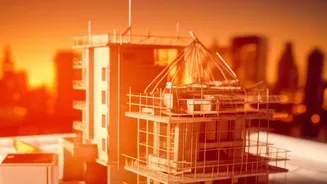
In Indian real estate, it's common for large residential or commercial projects to be built in phases over several years. This phased construction is a primary reason for inconsistencies. The developer might use different contractors, raw materials, or even
adhere to updated building codes for later phases. For instance, a tower completed in 2020 may have different plumbing fixtures or electrical wiring specifications compared to one finished in 2024. Economic factors also play a role; cost-cutting measures introduced midway through a project can lead to a noticeable drop in the quality of finishes, fittings, and even structural components in the newer wings. These variations aren't always visible, but they can significantly impact your daily life and the building's longevity.
Residential Red Flags: A Homebuyer's Checklist
For prospective homebuyers and renters, a detailed physical inspection is non-negotiable. Don't just tour the model flat; insist on seeing the actual unit you are interested in. Pay close attention to the details. Check the water pressure in all taps, test the electrical outlets, and scrutinize the quality of the paint, flooring, and cabinetry. Look for cracks in walls or ceilings, which could indicate structural issues. Inquire about the brands of materials used, from TMT steel to cement, as the Real Estate (Regulation and Development) Act (RERA) mandates that developers adhere to specifications mentioned in the sale agreement. Visiting a few flats in different towers can often reveal surprising discrepancies in workmanship and material quality.
Beyond Your Flat: Common Area Discrepancies
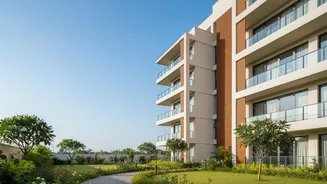
Differences in standards often become most apparent in common areas. One wing might have a well-maintained lobby, pristine corridors, and fast elevators, while another suffers from peeling paint, flickering lights, and sluggish lifts. Fire safety is a critical area to investigate. As per the National Building Code, all high-rises must have clearly marked fire exits, refuge areas, and functioning firefighting equipment like sprinklers and hydrants. Verify that these are present and accessible in the specific wing you are considering. Sometimes, older blocks in a complex may have outdated fire safety systems compared to newer ones. Similarly, inspect the condition of shared amenities like the gym, swimming pool, and parking areas, as their upkeep can vary significantly across the property.
The Workplace Angle: Unequal Safety and Comfort
This principle extends to commercial buildings and office parks. A company occupying multiple floors or wings in a large office complex might find that employee experiences differ dramatically. An older wing may have less efficient air conditioning, older electrical systems, and fewer modern safety features. The Occupational Safety, Health and Working Conditions Code (OSH Code) now consolidates numerous laws, creating a uniform standard for things like ventilation, emergency exits, and sanitary facilities. However, the implementation and retrofitting of these standards in older buildings can be inconsistent. Employees should be aware of the safety protocols specific to their part of the building, including evacuation routes and the location of safety equipment, as they may not be identical across the entire campus.
Your Due Diligence: How to Protect Yourself
Empower yourself with information. Before finalizing any property deal, ask the developer or landlord for all legal and compliance documents, including the Completion Certificate (CC) and Occupancy Certificate (OC), which confirm the building is constructed as per approved plans. Under RERA, builders are liable for structural defects for five years after handover, so understanding your rights is crucial. Talk to current residents or tenants; they are your best source of on-the-ground information about maintenance issues, security, and the consistency of services. For renters, the tenancy agreement should clearly state the landlord's responsibility for major structural repairs. Being proactive and asking pointed questions can save you from future headaches and ensure your investment is safe.