

Understanding the Late-Monsoon Window
The term "late-monsoon" is key. River rafting in Rishikesh is officially suspended from July to mid-September due to dangerously high water levels. The season typically reopens in the third or fourth week of September, with announcements from tourism
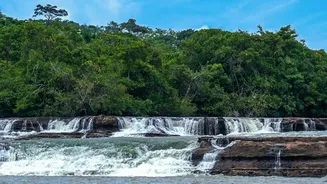
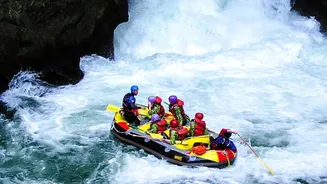
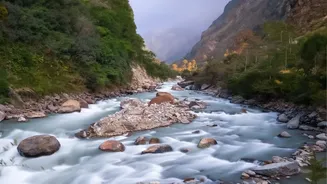
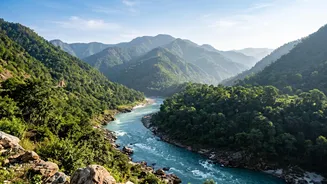
authorities confirming the exact date. For 2026, rafting is expected to resume around September 23rd. This period offers a unique experience: the river is powerful after the rains, leading to exhilarating rapids, and the surrounding landscape is lush and green. However, the currents are strong, so activities like cliff jumping may be restricted for safety. This makes it a thrilling time for adventure seekers, but also one where choosing the right operator is paramount.
Safety First: What 'Certified Guide' Means
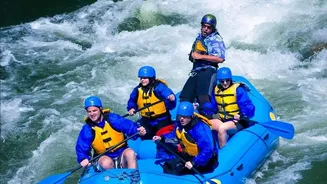
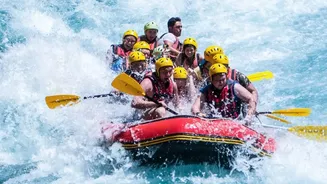
Never let 'cheap' compromise 'safe'. A certified guide is one who is licensed and trained in water rescue, first aid, and navigating the Ganga's rapids. Reputable companies are registered with the Uttarakhand Tourism Development Board (UTDB). Before booking, ask the operator about their licensing and the certification of their guides. Many professional outfits, like White World Expeditions and Aquaterra Adventures, highlight their safety standards and internationally certified (like IRF) guides. A legitimate operator will conduct a thorough safety briefing before the trip, ensure all participants have well-fitted helmets and life jackets, and often have a safety kayaker accompanying the raft. Unlicensed operators often lure tourists with unusually low prices, but may use old equipment and lack trained staff, posing a serious risk.
How to Find Affordable, Reputable Operators
The key to a cheap yet safe trip is booking smart. Avoid unofficial agents or roadside touts who add a commission and may not be accountable. Instead, research and book directly with operators. Many have a physical presence in the Tapovan area of Rishikesh and offer bookings via their websites or WhatsApp. Prices for rafting are generally standardized based on the stretch, ranging from ₹600 for a short 9km trip to ₹1,500 for the popular 24km Marine Drive stretch. To save money, consider rafting on a weekday when it's less crowded. Travelling in a group of six or more can also unlock group discounts. Compare packages from 3-4 different government-registered companies to find the best value.
Choosing the Right Rafting Stretch
For first-timers, the most common and recommended stretches are Brahmpuri to Nim Beach (9km) and Shivpuri to Nim Beach (16km). The Brahmpuri stretch is gentle (Grade I-II rapids), making it ideal for families and those who are hesitant. The Shivpuri route is the most popular, offering a great mix of calm sections and thrilling Grade II-III rapids. A typical 16km trip costs around ₹1,000 per person and includes transport to the starting point, all safety gear, and the guide. Longer stretches like Marine Drive (24km) are more intense and better suited for those with some experience or a strong sense of adventure. Always match the route to your comfort level, not just the price.
Questions to Ask Before You Book
Before paying any advance, get clarity by asking a few essential questions. Confirm that the operator is registered with the Uttarakhand tourism department. Ask about the guide's experience and certification. Enquire what is included in the price—it should cover transport, guide fees, and all equipment. Check their policy on group size, as overcrowded rafts can be unsafe. Finally, given the late-monsoon timing, ask directly about the current water conditions and which activities, like body surfing or cliff jumping, are currently permitted. A professional operator will answer these questions transparently and prioritize your safety.