

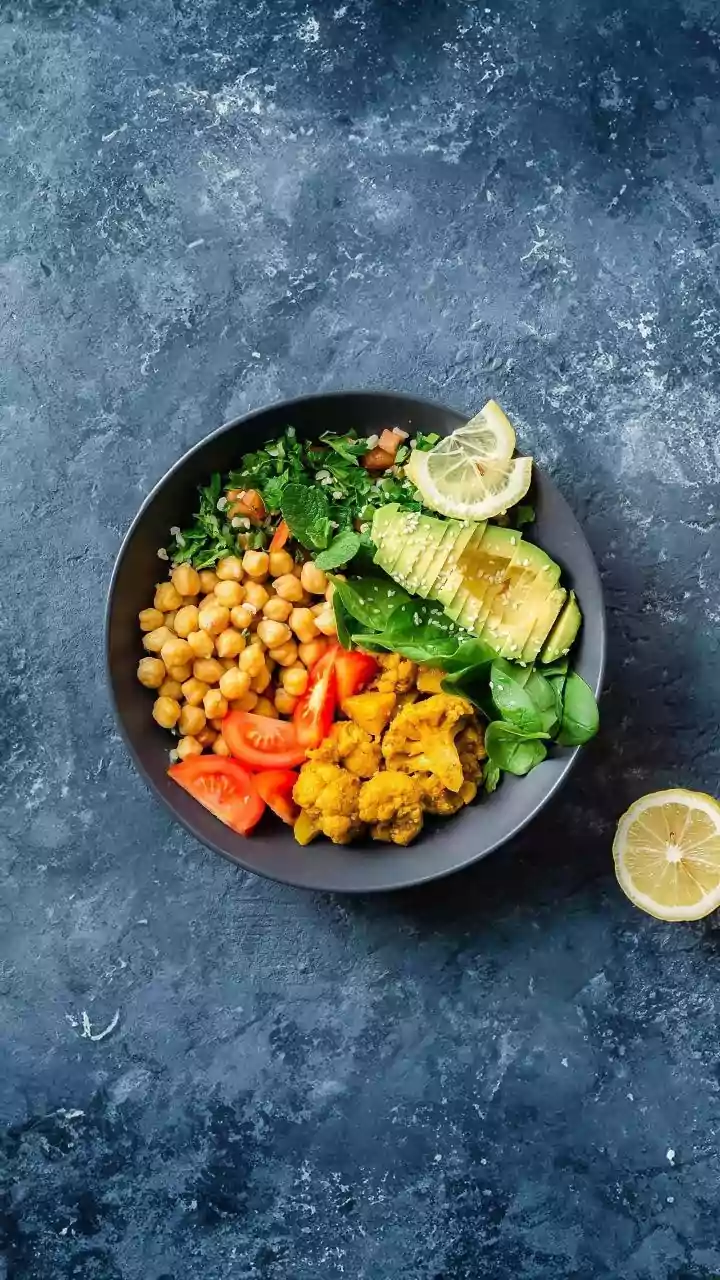



Embrace Warm, Light, and Cooked Meals
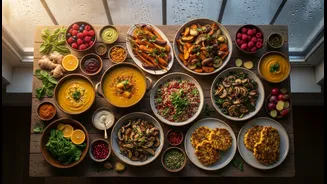
During the monsoon, your digestive system naturally becomes more sluggish. Heavy, oily, and fried foods can overburden it, leading to issues like bloating and indigestion. Instead, focus on meals that are light, warm, and freshly prepared. Think comforting
bowls of moong dal khichdi, warm vegetable soups, and steamed dishes. According to Ayurveda, warm foods help support the 'Agni' or digestive fire, which is considered weaker during this season. Opting for home-cooked meals is always safer, as it minimizes the risk of contamination common with street food during the rains.
Power Up with Immunity-Boosting Spices
Your kitchen spice rack is a powerful ally during the rainy season. Spices like turmeric (haldi), ginger (adrak), garlic (lehsun), and black pepper (kali mirch) are renowned for their immunity-boosting and antimicrobial properties. Incorporating these into your daily cooking can help your body fight off common monsoon infections like colds and flu. A small piece of ginger consumed before meals can aid digestion. Warm herbal teas made with ginger, tulsi (holy basil), and cinnamon are excellent choices for staying hydrated and keeping infections at bay.
Choose Your Fruits and Vegetables Wisely
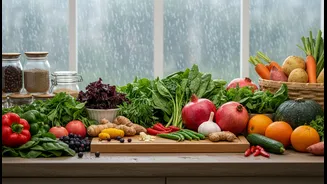
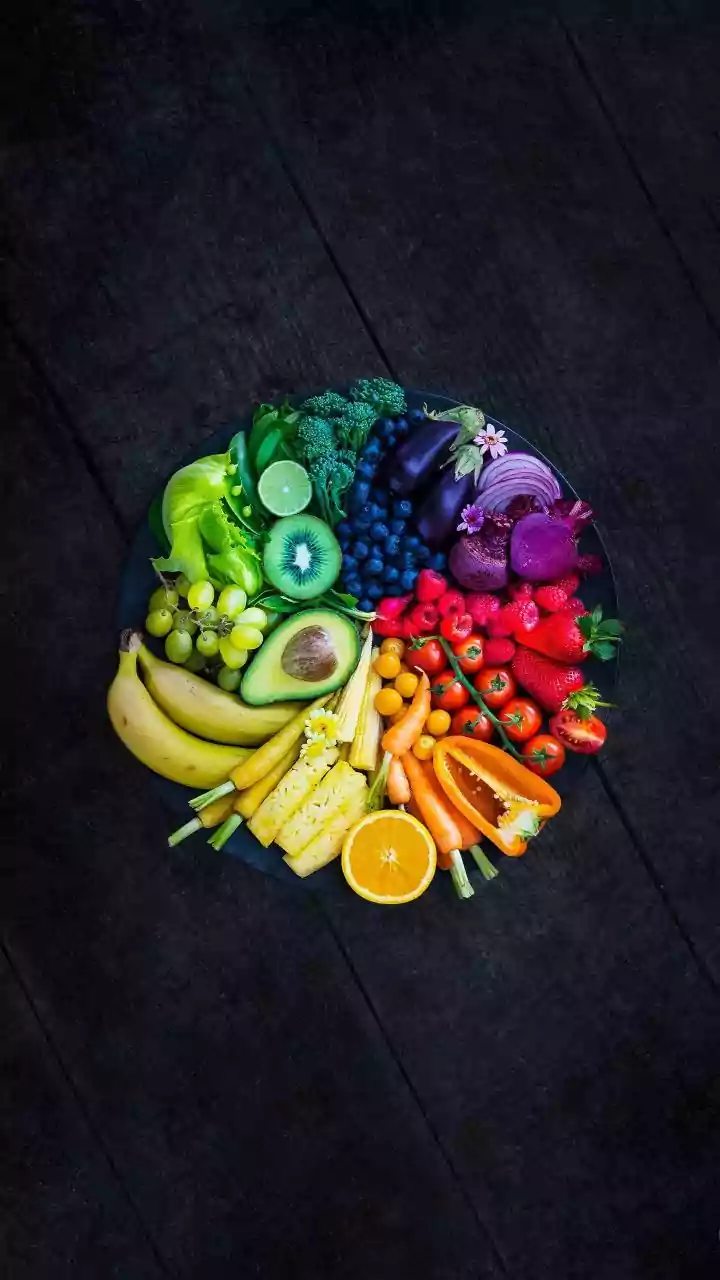
While a diet rich in produce is always a good idea, the monsoon calls for some specific choices. Opt for seasonal fruits like jamun, pears, pomegranates, and apples, which are packed with vitamins and antioxidants that bolster immunity. It's generally best to choose fruits you can peel to reduce the risk of contamination. When it comes to vegetables, favour those with a pungent quality like bitter gourd (karela) and bottle gourd (lauki). Be cautious with leafy greens like spinach and cabbage. While nutritious, they can be harder to clean and may harbour dirt and germs from the damp soil. If you do consume them, ensure they are washed thoroughly, preferably in warm water with a bit of salt, and always cooked well.
Focus on Gut-Friendly Probiotics
A healthy gut is the foundation of a strong immune system. The monsoon is a great time to include probiotic-rich foods in your diet. Fresh, homemade curd (yoghurt) and buttermilk (chaas) are excellent sources of good bacteria that support digestion and help your body fight off harmful pathogens. These foods are light and cooling, providing a good balance to warm meals. However, some Ayurvedic principles suggest limiting curd, especially at night, as it can be heavy. Buttermilk, being lighter, is often recommended as a better alternative.
Foods to Approach with Caution
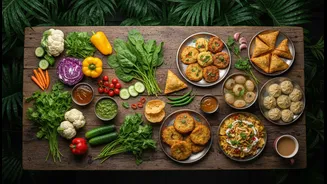
Just as important as what you eat is what you avoid. Street food, including chaat and pre-cut fruits, poses a high risk of contamination from unclean water and handling. Deep-fried snacks like pakoras and samosas, while tempting in the cool weather, are heavy on the digestive system. It is also widely recommended to avoid seafood like fish and prawns, as the monsoon is their breeding season, which can increase the risk of contamination and food poisoning. Raw salads and other uncooked foods should also be limited, as they can carry harmful microbes that thrive in the humid environment.