

Not Your Grandmother’s Clay Pot
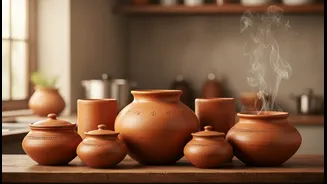
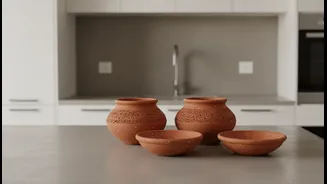
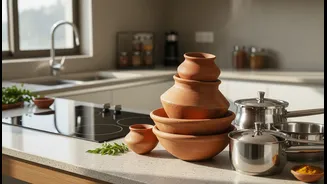
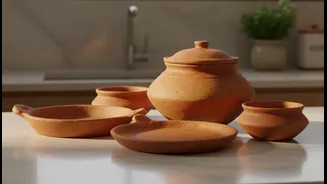
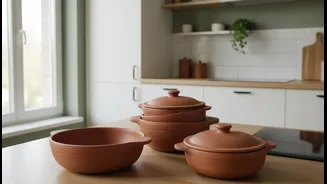
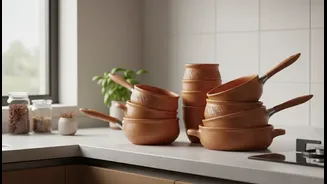
Forget the rustic, heavy clay pots of the past. Today’s terracotta kitchenware is engineered for the modern home. Designers are reimagining this ancient material with sleek, minimalist aesthetics that complement contemporary kitchen designs. These are not
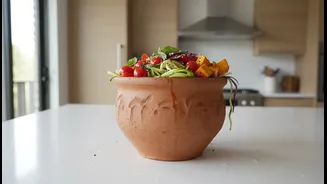
just functional items but style statements. Modern iterations often feature lead-free glazes, making them safe and easy to clean, with some even being dishwasher-safe. They come in a range of sophisticated, earthy tones that add a touch of warmth and handcrafted charm to stark, modern kitchens. This new generation of terracotta blends the line between cookware and serveware, designed to move seamlessly from the stove to the dining table, appealing to the aesthetic sensibilities of urban dwellers who value both form and function.
The Foundation of Healthier Cooking
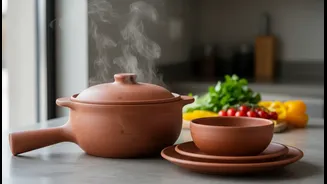
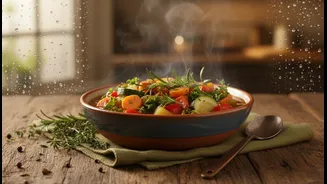
The primary driver behind this trend is health. Meal prepping, a staple for busy professionals, is elevated when using terracotta. Unlike some metal and coated pans that can leach chemicals when heated, pure clay is non-toxic and entirely natural. The porous nature of clay allows for slow and even heat distribution, which has a dual benefit. Firstly, it helps food cook in its own juices, retaining moisture and nutrients that are often lost with high-heat cooking methods. Secondly, this process significantly reduces the need for excess oils and fats, making meals inherently lighter and healthier. The alkaline nature of clay also helps to neutralise the acidity in foods like tomatoes, making them easier to digest.
A Mindful Approach to Meals
Using terracotta encourages a more mindful cooking process. The material requires gentle, gradual heating, which discourages rushing. This slower pace is a welcome antidote to the fast-paced professional lifestyle, turning meal prep from a hurried chore into a deliberate, calming ritual. Food cooked in clay is said to retain more of its natural flavour and aroma, providing a richer sensory experience. Furthermore, clay pots have excellent heat retention properties, keeping food warm long after it's removed from the heat source. This not only reduces the need to reheat food—which can degrade its nutritional quality—but is also energy efficient. For many, this slow, intentional method of cooking is a form of daily mindfulness that contributes to overall well-being.
A Modern Nod to Ancient Wisdom
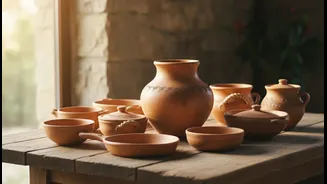
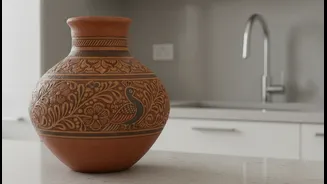
In India, cooking in earthen pots, or 'mitti ka bartan', is a tradition that goes back centuries. The current trend among urban professionals is not so much a new discovery as it is a rediscovery of this ancestral wisdom, repackaged for a modern audience. It taps into a collective desire to connect with more sustainable and natural ways of living. Choosing terracotta is an eco-conscious decision; clay is a natural, biodegradable material, making it a far more sustainable choice than synthetic non-stick pans which have a limited lifespan and can contribute to pollution. This revival connects users to a rich culinary heritage, allowing them to embrace a tradition praised in Ayurveda while fitting perfectly into their contemporary, health-focused lifestyles.
Making the Smart Terracotta Choice
For those looking to adopt this trend, it's important to choose wisely. Look for unglazed or partially glazed pots made from pure, primary clay to ensure they are free from harmful additives or lead-based glazes. Before its first use, new terracotta cookware typically needs to be seasoned. This usually involves soaking the pot in water for several hours, then oiling and heating it gently. This simple process strengthens the clay and enhances its natural non-stick properties. While some modern pieces are dishwasher-safe, hand washing with mild soap or just baking soda and water is often recommended to preserve the integrity of the clay. By investing a little care, these beautiful pieces can last for years, becoming a cherished part of a healthier kitchen.